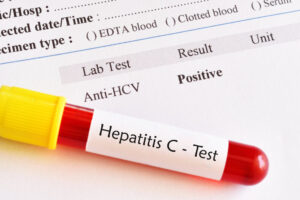

Completing treatment for hepatitis C is a meaningful milestone in a person’s health journey. Advances in modern antiviral medications have made it possible for most people living with hepatitis C to eliminate the virus successfully. When treatment leads to a sustained virologic response (SVR)—meaning the virus is no longer detectable in the bloodstream several months after therapy—patients are considered cured of the infection. For many individuals, this achievement brings relief, renewed energy, and a sense of moving forward.
However, while curing hepatitis C removes the virus responsible for ongoing liver inflammation, it does not automatically erase all effects the infection may have had on the liver. The liver may need time to recover from damage caused during the course of the infection, especially if scarring developed before treatment began. This is why ongoing monitoring of liver health remains an important part of long-term care.
At Healthcare Unity Group (HUG), serving communities in Melbourne, FL, Kearny, NJ, and through telehealth support, patient education often emphasizes that curing hepatitis C is only one step in maintaining liver health. Continued awareness and follow-up evaluations help ensure the liver is healing properly and that any potential concerns are detected early.
Understanding why monitoring is recommended after treatment can help individuals feel more confident about the recovery process and stay proactive about protecting their health.
What Happens to the Liver After Hepatitis C Treatment
Hepatitis C primarily affects the liver, causing inflammation as the body attempts to fight the virus. Over time, this inflammation can lead to the formation of scar tissue, a condition known as fibrosis. In its most advanced form, extensive scarring can develop into cirrhosis, which may interfere with the liver’s ability to function normally.
Once hepatitis C treatment successfully eliminates the virus, the inflammatory process usually stops. Without the virus continuing to damage liver cells, the liver can begin a gradual healing process. Many people see improvements in liver enzyme levels and overall liver function after treatment.
However, the extent of recovery depends on how much damage existed before treatment started. Individuals who were treated early in the course of infection may have little to no lasting liver damage. Those who had moderate or advanced fibrosis before treatment may still have scar tissue within the liver, even though the virus has been cleared.
Learning more about Hepatitis C (HCV) can help patients understand how the infection affects liver tissue and why continued monitoring remains valuable after treatment.
In many cases, fibrosis can improve over time as the liver regenerates healthy cells. However, this process may take months or years, and monitoring helps healthcare professionals track these changes and ensure that the liver remains stable.
Why Liver Monitoring Remains Important
Even after hepatitis C has been cured, regular monitoring plays a key role in protecting long-term liver health. Follow-up care allows healthcare professionals to evaluate whether the liver is healing as expected and whether any complications may develop.
One of the primary reasons for monitoring is to assess the extent of liver scarring. Individuals who had advanced fibrosis or cirrhosis before treatment may remain at increased risk for certain liver-related conditions. Monitoring helps ensure that any changes in liver structure or function are identified early.
Another important aspect of monitoring involves screening for liver cancer in individuals with significant liver scarring. Although the risk of liver cancer decreases after hepatitis C is cured, people with cirrhosis may still require regular imaging tests to detect abnormalities early.
Monitoring also provides an opportunity to review lifestyle factors that influence liver health. Conditions such as fatty liver disease, obesity, and metabolic syndrome can affect the liver independently of hepatitis C. Follow-up visits allow healthcare professionals to address these factors and support overall wellness.
Common Tests Used to Monitor Liver Health
Several diagnostic tools help healthcare professionals evaluate liver health after hepatitis C treatment. These tests provide insight into both liver function and structural changes within the organ.
Blood Tests
Blood tests are one of the most common methods used to monitor liver health. These tests measure enzymes such as ALT and AST, which can indicate inflammation or injury within the liver. Additional markers may assess how well the liver performs essential functions such as producing proteins and processing bilirubin.
Routine blood tests can help confirm that liver inflammation has resolved after treatment and that liver function remains stable.
Imaging Studies
Imaging techniques, particularly ultrasound, are often used to examine the liver’s structure. Ultrasound uses sound waves to produce detailed images of the liver and surrounding organs. This test is especially important for individuals with advanced fibrosis or cirrhosis, as it helps detect tumors or structural changes.
Elastography
Elastography is a specialized imaging technique used to measure liver stiffness. Because scar tissue makes the liver firmer than healthy tissue, elastography can estimate the degree of fibrosis present. Repeating this test over time allows healthcare professionals to track whether scarring is improving.
Together, these tests provide a comprehensive picture of liver health after treatment.
Monitoring Helps Track Recovery Over Time
Liver recovery does not happen overnight. After hepatitis C treatment, the liver gradually begins repairing itself. Inflammation decreases, and healthy liver cells can regenerate. For some individuals, this process leads to significant improvement in liver structure and function.
Monitoring helps track these changes over time. By comparing test results from different visits, healthcare professionals can evaluate whether liver enzymes are stabilizing, whether fibrosis is improving, and whether overall liver health is progressing in a positive direction.
Follow-up visits also give patients an opportunity to ask questions and discuss their recovery experience. Understanding how the liver is healing can provide reassurance and help individuals stay engaged in maintaining their health.
How Often Should Liver Monitoring Occur
The frequency of liver monitoring after hepatitis C treatment depends largely on the condition of the liver before therapy began. Healthcare professionals use information such as fibrosis stage, overall liver function, and medical history to determine the most appropriate follow-up schedule.
For individuals who had little to no fibrosis before treatment, monitoring may be relatively simple. Routine blood tests during annual medical visits may be sufficient to confirm that liver enzymes remain stable and that no new concerns have developed.
People who had more advanced fibrosis or cirrhosis before treatment generally require more structured monitoring. In many cases, clinical guidelines recommend ultrasound screening for liver cancer every six months for individuals with cirrhosis. These regular imaging tests help detect abnormalities early, when treatment options are most effective.
Blood tests may also be repeated periodically to evaluate liver function, measure enzyme levels, and monitor other indicators of liver health. Some patients may undergo elastography testing at intervals to track whether liver stiffness—and therefore fibrosis—is improving over time.
Monitoring schedules are designed to provide reassurance while ensuring that any changes in liver health are identified promptly.
Lifestyle Habits That Support Liver Recovery
Medical monitoring is only one part of protecting liver health after hepatitis C treatment. Everyday lifestyle choices can also have a powerful impact on the liver’s ability to heal and function properly.
Several habits can support long-term liver health:
- Limiting or avoiding alcohol consumption
- Maintaining a balanced diet rich in fruits, vegetables, whole grains, and lean proteins
- Staying physically active through regular exercise
- Managing body weight and metabolic health
- Avoiding unnecessary medications or environmental toxins when possible
Alcohol, in particular, can place additional strain on the liver. For individuals who have experienced liver inflammation or fibrosis, reducing or eliminating alcohol intake can help support recovery.
Nutrition also plays an important role. Diets rich in whole foods, fiber, and healthy fats support metabolic health and may help reduce the risk of fatty liver disease. Regular physical activity further supports liver function by improving insulin sensitivity and overall metabolic balance.
In addition to lifestyle habits, comprehensive healthcare discussions may include awareness of other infectious diseases, depending on personal risk factors. Preventive screenings such as Free Rapid HIV Testing may be part of broader health education and wellness planning.
Taking a holistic approach to health helps ensure that the liver continues to recover after hepatitis C treatment.
Recognizing Symptoms That May Require Medical Attention
One challenge of liver disease is that it can develop silently. Many individuals with liver conditions experience few or no symptoms in the early stages. This is one reason why routine monitoring is so important.
However, certain symptoms should prompt medical evaluation if they appear after treatment. These may include:
- Persistent fatigue
- Yellowing of the skin or eyes (jaundice)
- Abdominal swelling or discomfort
- Dark urine or pale-colored stools
- Unexplained weight loss
- Easy bruising or bleeding
These symptoms do not necessarily indicate a serious condition, but they should be discussed with a healthcare professional. Early evaluation allows potential concerns to be addressed quickly and helps maintain long-term liver health.
Being aware of these warning signs empowers individuals to take an active role in their health.
Emotional Reassurance Through Follow-Up Care
Monitoring liver health after treatment does more than track medical data—it can also provide emotional reassurance. Many individuals feel uncertainty after completing hepatitis C therapy and may wonder whether their liver is truly healing.
Follow-up visits offer an opportunity to review test results, ask questions, and discuss any concerns about long-term health. Seeing improvements in laboratory values or imaging results can provide confidence that recovery is progressing as expected.
These visits also strengthen communication between patients and healthcare professionals. Education about liver health, lifestyle habits, and preventive care becomes easier when individuals feel comfortable discussing their experiences and concerns.
Over time, monitoring often becomes a routine part of maintaining wellness rather than a source of anxiety.
The Long-Term Outlook After Hepatitis C Treatment
One of the most encouraging aspects of modern hepatitis C treatment is the long-term outlook for individuals who achieve a cure. Eliminating the virus removes the primary source of liver inflammation, which significantly reduces the risk of progressive liver disease.
Many individuals experience improved energy levels and overall well-being after treatment. In cases where liver damage was limited before therapy, the liver may return to nearly normal function over time.
For those who had advanced fibrosis or cirrhosis before treatment, ongoing monitoring ensures that the liver remains stable and that potential complications are detected early. Even in these situations, curing hepatitis C dramatically improves long-term health prospects.
Monitoring, therefore, plays an important role in protecting the progress achieved during treatment.
Staying Informed About Liver Health
Education remains one of the most powerful tools for maintaining health after hepatitis C treatment. When individuals understand how the liver heals and why monitoring is recommended, they are better equipped to participate in their own care.
Patients often find it helpful to keep records of laboratory results, imaging studies, and follow-up appointments. Tracking this information provides a clearer picture of how liver health evolves.
Staying informed also encourages open communication with healthcare professionals. Asking questions, discussing lifestyle choices, and reviewing monitoring plans can help individuals feel more confident about their recovery.
Knowledge empowers people to remain engaged in protecting their liver health long after treatment ends.
Moving Forward With Confidence
Completing hepatitis C treatment represents an important milestone, but long-term liver health continues to benefit from ongoing attention. Monitoring helps track recovery, detect potential concerns early, and reinforce healthy habits that support the liver’s natural healing process.
Healthcare Unity Group (HUG), serving communities in Melbourne, FL, Kearny, NJ, and through telehealth services, emphasizes patient education so individuals can better understand how liver monitoring supports lasting wellness. When people remain informed and engaged in follow-up care, they can build on the progress achieved during treatment and move forward with confidence in their long-term health.
Sources
Younossi, Z.M., et al. (2018). Hepatitis C virus infection: A systematic review of the clinical impact and treatment outcomes. Hepatology.
Terrault, N.A., et al. (2018). Update on prevention, diagnosis, and treatment of chronic hepatitis C infection. Hepatology.
European Association for the Study of the Liver (2020). EASL recommendations on treatment of hepatitis C. Journal of Hepatology.