Starting pre-exposure prophylaxis (PrEP) is an important step in HIV prevention, and many people feel more comfortable beginning the process when they understand what the first appointment involves. A PrEP visit is designed to evaluate health, confirm eligibility, and create a prevention plan tailored to each individual. While the idea of a medical visit may feel uncertain at first, the process is usually straightforward and focused on education, testing, and preventive care.
Healthcare Unity Group (HUG) — with locations in Melbourne, FL, Kearny, NJ, and telehealth support available — approaches PrEP care by making sure patients leave each visit with a clear picture of how prevention actually works and what to expect when starting medication. For anyone curious about the process, exploring PrEP Services is a great starting point for understanding how preventive medication connects with routine testing, monitoring, and ongoing health support.
Knowing what to expect during a first PrEP visit can reduce anxiety and make the process feel more manageable. From the initial intake discussion to laboratory testing and follow-up planning, each step is designed to ensure the medication is safe, effective, and appropriate for the patient.
Why the First PrEP Visit Matters
The first PrEP appointment is more than just receiving a prescription. It is an opportunity for healthcare professionals to evaluate overall health, confirm HIV-negative status, and discuss prevention strategies. This evaluation helps ensure that PrEP will work safely and effectively.
Because PrEP medications are designed for people who do not currently have HIV, confirming HIV-negative status is a crucial first step. Healthcare providers also review medical history, discuss potential risk factors, and answer questions about how the medication works.
In addition to medical evaluation, the first visit often includes a conversation about sexual health, prevention strategies, and lifestyle considerations. These discussions help create a personalized prevention plan that aligns with the patient’s needs and goals.
Understanding that the first visit is primarily educational and supportive can help individuals approach the appointment with confidence.
Step 1: Intake and Health History
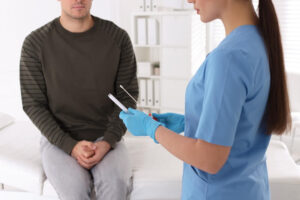
Most PrEP visits begin with an intake process where healthcare staff gather important health information. Patients may be asked to complete forms or discuss their medical history with a healthcare professional.
This intake discussion typically includes questions about:
- Current medications
- Previous medical conditions
- Sexual health history
- Recent HIV or STI testing
- Any known allergies or medication sensitivities
These questions help healthcare professionals determine whether PrEP is appropriate and identify any factors that might influence treatment decisions.
Patients are also encouraged to ask questions during this stage. Topics may include how PrEP works, potential side effects, and how often follow-up visits will occur. The goal is to ensure patients feel comfortable and informed before moving forward.
Step 2: HIV Testing
Before starting PrEP, it is essential to confirm that the individual does not already have HIV. Because PrEP medications are designed for prevention rather than treatment, they must only be taken by people who are HIV-negative.
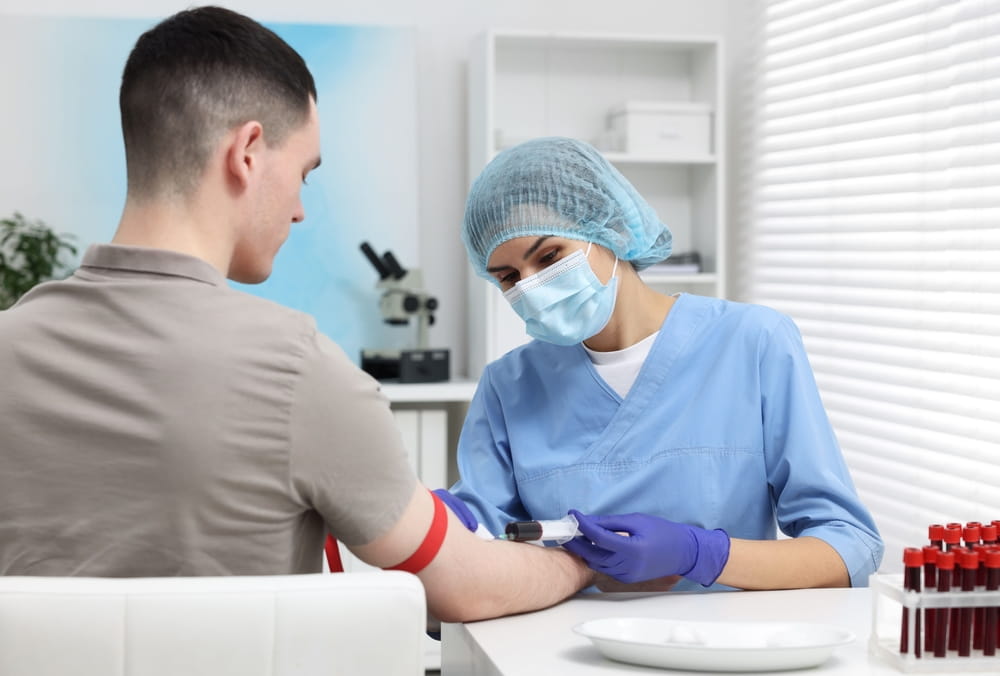
The HIV test used during a PrEP visit may involve a blood sample or a rapid finger-prick test. Many clinics can provide results quickly, allowing healthcare providers to confirm eligibility during the appointment.
Services such as Free Rapid HIV Testing are often used as part of this process. These tests provide accurate results and are an essential part of safe PrEP initiation.
Even after starting PrEP, HIV testing continues regularly—usually every three months—to ensure that the medication remains appropriate and effective.
Step 3: Laboratory Testing
In addition to HIV testing, several other laboratory tests are typically performed during the first PrEP visit. These tests help healthcare professionals evaluate overall health and confirm that the medication will be safe to use.
Common laboratory tests may include:
- Kidney function tests
- Screening for sexually transmitted infections
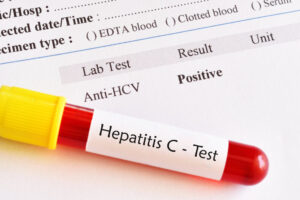
- Hepatitis testing when appropriate
- General bloodwork to evaluate overall health
Kidney testing is particularly important because some PrEP medications are processed through the kidneys. Ensuring healthy kidney function helps reduce the risk of complications during treatment.
Screening for sexually transmitted infections is also a routine part of preventive care. In many cases, services such as STI Testing and Treatment may be discussed as part of a comprehensive sexual health plan.
These laboratory tests provide a complete picture of the patient’s health and help ensure that PrEP can be started safely.
Step 4: Discussion About Prevention Strategies
A key part of the first PrEP visit involves discussing HIV prevention strategies. While PrEP is a powerful tool for reducing HIV risk, it is most effective when combined with other preventive practices.
Healthcare providers may talk about topics such as condom use, regular testing schedules, communication with partners, and recognizing situations where additional protection may be helpful. These conversations help patients understand how PrEP fits into a broader prevention plan.
Education is an important part of this process. Many individuals arrive at their first appointment with questions about medication safety, adherence, or how long PrEP should be taken. Healthcare professionals provide guidance and answer questions so patients feel comfortable moving forward.
Step 5: Receiving the Prescription
Once testing is completed and eligibility is confirmed, healthcare providers may prescribe PrEP medication. The prescription typically covers a limited period, often around three months, which aligns with the follow-up testing schedule.
Patients receive instructions about how to take the medication, including the importance of taking it consistently. Daily dosing helps maintain protective levels of medication in the body, which is essential for preventing HIV infection.
Healthcare providers may also review potential side effects and explain what patients should do if symptoms occur. Most people tolerate PrEP well, and side effects—if they occur—are usually mild and temporary.
Clear instructions help patients feel confident about starting medication and maintaining consistency.
Step 6: Planning Follow-Up Visits
Starting PrEP is only the beginning of an ongoing prevention plan. Follow-up appointments are a routine part of PrEP care and are typically scheduled every three months. These visits allow healthcare professionals to monitor health, confirm that the medication continues to be safe, and ensure that HIV prevention remains effective.
During follow-up visits, patients usually undergo HIV testing again. Regular testing confirms that the individual remains HIV-negative while taking PrEP. This step is essential because PrEP medications are designed specifically for prevention rather than treatment.
Healthcare professionals may also repeat certain laboratory tests, such as kidney function tests, to ensure the medication continues to be well-tolerated. If any concerns arise during follow-up visits, providers can discuss adjustments or answer questions about the medication and prevention strategies.
These visits are also an opportunity to talk about changes in lifestyle, relationships, or health conditions that might influence prevention planning. Open communication helps ensure that the prevention plan continues to reflect the patient’s current needs.
Understanding the Monitoring Checklist
PrEP care includes a regular monitoring schedule designed to protect patient safety and maintain effectiveness. Many individuals find it helpful to understand what the typical checklist includes during routine visits.
Monitoring appointments often involve:
- HIV testing every three months
- Screening for sexually transmitted infections
- Kidney function testing when recommended
- Medication adherence discussions
- Prevention counseling and education
These visits are usually quick and focused, but they play an important role in ensuring that PrEP remains a safe and reliable prevention tool.
Routine monitoring helps ensure that individuals receive the full benefits of PrEP while maintaining overall health.
What Happens if Someone Misses a Dose?
A common concern for individuals starting PrEP is what happens if they forget to take a dose of medication. While consistency is important for maintaining protection, occasional missed doses can happen.
Healthcare professionals usually recommend taking the missed dose as soon as possible if it is remembered within the same day. However, if it is close to the time for the next scheduled dose, patients may simply continue with the regular schedule rather than doubling the medication.
The key is to return to the regular dosing routine as quickly as possible. Maintaining consistent medication levels in the body helps ensure that PrEP remains effective in preventing HIV infection.
During follow-up visits, healthcare providers often discuss strategies that help patients remember daily medication. These may include using phone reminders, setting alarms, or linking medication with a daily habit such as brushing teeth or eating breakfast.
Small routines can make it easier to maintain consistency over time.
Telehealth and Flexible PrEP Care
Healthcare delivery has evolved significantly in recent years, and telehealth has become an important part of preventive care. Telehealth appointments allow patients to discuss questions, review laboratory results, and receive guidance without needing to travel to a clinic.
In many cases, telehealth visits can be used for follow-up discussions, medication counseling, and reviewing prevention strategies. Some laboratory testing may still require an in-person visit, but telehealth can help streamline other aspects of care.
This flexibility allows individuals to stay connected with healthcare professionals while maintaining busy schedules or managing transportation challenges.
Telehealth options can be particularly helpful for individuals who prefer remote consultations or who live farther from healthcare facilities.
Addressing Common Concerns Before Starting PrEP
Many people arrive at their first PrEP appointment with questions about how the medication will affect their daily lives. Addressing these concerns early can help patients feel more confident about starting treatment.
One common question involves side effects. Most individuals tolerate PrEP well, and when side effects occur, they are typically mild and temporary. Some people may experience mild nausea, headaches, or digestive discomfort during the first few weeks of medication, but these symptoms often resolve as the body adjusts.
Another concern involves privacy and confidentiality. Healthcare providers follow strict privacy guidelines to ensure that medical information remains confidential. Patients can discuss sensitive topics openly, knowing that their personal health information is protected.
Some individuals also worry about the long-term commitment to medication. It is important to remember that PrEP is flexible. Individuals may choose to start or stop PrEP depending on changes in their lifestyle or risk factors. Healthcare professionals help guide these decisions to ensure that prevention remains effective.
Understanding these aspects of care can help individuals feel more comfortable with the process.
PrEP as Part of a Comprehensive Prevention Plan
PrEP is one component of a broader strategy for HIV prevention. While the medication provides powerful protection against HIV infection, combining it with other preventive measures strengthens overall protection.
Healthcare professionals often discuss topics such as regular testing, condom use, communication with partners, and awareness of exposure risks. These conversations help individuals create a prevention plan that reflects their unique circumstances.
In certain situations, healthcare providers may also discuss additional prevention tools such as HIV PEP Services. Post-exposure prophylaxis (PEP) is used after a potential HIV exposure and highlights how multiple strategies can work together in HIV prevention.
Comprehensive prevention planning focuses on education, awareness, and ongoing support rather than relying on a single method.
Building Confidence Through Education
One of the most valuable parts of a first PrEP visit is the opportunity to learn about HIV prevention in a supportive environment. Education empowers individuals to understand their health, ask informed questions, and make decisions that align with their personal goals.
Healthcare professionals provide information about how PrEP works, how often testing is needed, and how prevention strategies can change. Patients also learn about recognizing potential exposure risks and understanding when additional medical guidance may be helpful.
These conversations help individuals feel more confident about managing their health and navigating prevention options.
Education also reduces uncertainty. When people know what to expect during appointments, testing, and follow-up care, the process becomes far less intimidating.
Moving Forward With Preventive Care
Starting PrEP is a proactive step toward protecting your health and reducing the risk of HIV infection. The first appointment focuses on education, testing, and planning so that individuals can begin preventive medication safely and with confidence.
From intake discussions and laboratory testing to prevention counseling and follow-up planning, each part of the process supports a personalized approach to HIV prevention. Knowing what to expect during that first visit makes it easier to feel prepared and comfortable every step of the way.
Healthcare Unity Group (HUG) — with locations in Melbourne, FL, Kearny, NJ, and telehealth services available — prioritizes patient education so individuals have a clear understanding of HIV prevention strategies and what beginning PrEP care actually looks like. When patients are informed and supported, taking that first step toward preventive medication becomes far less daunting. If you’re ready to get started or simply want to learn more, reaching out to the HUG team is the first step toward long-term health and peace of mind.
Sources
Grant, R.M., et al. (2010). Preexposure chemoprophylaxis for HIV prevention in men who have sex with men. New England Journal of Medicine.
Baeten, J.M., et al. (2012). Antiretroviral prophylaxis for HIV prevention in heterosexual men and women. New England Journal of Medicine.
Centers for Disease Control and Prevention (2021). Preexposure prophylaxis for the prevention of HIV infection in the United States. CDC Clinical Practice Guidelines.