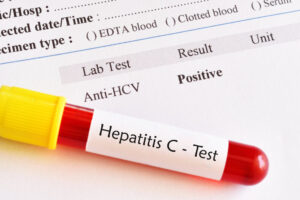

Hepatitis C testing can feel confusing, especially if you have never been tested before or have recently received unexpected results. At Healthcare Unity Group (HUG), serving Melbourne, FL, Kearny, NJ, and telehealth patients, conversations about hepatitis C often begin with one simple question: “What happens next?” Understanding the Hep C testing process can help ease anxiety and empower you to make informed decisions about your health.
This guide walks through how testing works, what the difference is between a Hep C antibody vs rna test, and what typically follows a positive result. Whether you are getting screened for the first time or clarifying prior results, knowing the steps ahead can make the process feel more manageable and straightforward.
Why Hepatitis C Testing Matters
Hepatitis C is a viral infection that primarily affects the liver. Many people with hepatitis C do not experience noticeable symptoms for years. Because of this, testing plays a critical role in early detection and long-term health planning.
Routine screening is recommended for many adults, and it is especially important for individuals who have risk factors such as past injection drug use, certain medical procedures before 1992, or potential exposure to infected blood. Testing is also commonly included as part of broader sexual health screenings, which may involve evaluations similar to those discussed in STI testing and treatment resources.
Early identification allows individuals to better understand their liver health, reduce the risk of transmission, and discuss next steps with a knowledgeable medical provider. Testing is not a diagnosis of severe disease—it is simply a starting point for clarity.
Step One: The Hep C Antibody Test
The first step in the Hep C testing process is usually a blood test called the hepatitis C antibody test. This test looks for antibodies, which are proteins your immune system produces after being exposed to the virus.
A small blood sample is taken, either from a vein in your arm or through a fingerstick in certain rapid testing settings. The laboratory then analyzes the sample to see whether hepatitis C antibodies are present. Results may be available within minutes in rapid testing environments or within a few days when processed through a laboratory.
If the antibody test is negative, it generally means there has been no prior exposure to the virus, although very recent exposure may require repeat testing later. If the antibody test is positive, it does not automatically mean you currently have hepatitis C. Instead, it indicates that your body has been exposed to the virus at some point in time. This is where the next step becomes essential.
Step Two: The Hep C RNA Test
When discussing Hep C antibody vs. RNA test differences, it helps to think of the antibody test as a screening tool and the RNA test as a confirmation tool.
If your antibody test comes back positive, a second blood test called a hepatitis C RNA test is performed. This test looks for the actual genetic material (RNA) of the virus in your bloodstream. In other words, it determines whether the virus is currently active in your body.
There are two possible outcomes:
- If the RNA test is negative, it means there is no active virus detected. Some individuals clear the virus naturally without treatment, and this result confirms there is no ongoing infection at the time of testing.
- If the RNA test is positive, it confirms an active hepatitis C infection. From there, additional evaluation helps determine the appropriate next steps and assess liver health.
Understanding this two-step process helps reduce confusion and unnecessary worry. A positive antibody result alone is not the final answer—it is simply the first checkpoint in a structured evaluation.
For those looking to learn more about hepatitis C as a condition, including how it affects the liver and how it is monitored over time, the Hepatitis C (HCV) resource page offers additional educational insight.
What Happens After a Positive RNA Test?
If an RNA test confirms active hepatitis C, your provider will typically recommend further laboratory work. These tests may include measurements of liver enzymes, viral load levels, and sometimes imaging studies to better understand liver health.
The goal is not to alarm but to gather information. Hepatitis C progresses differently from person to person, and many individuals live for years without significant liver damage. Modern evaluation methods are designed to assess the stage of infection and monitor overall health in a structured way.
During this phase, open communication with a provider such as Dr. Tony Walko or Dr. Rich Minuski can help clarify what each result means. Understanding lab numbers, timelines, and potential follow-up testing can significantly reduce uncertainty.
It is also common to discuss broader health considerations, including other bloodborne infections. For example, comprehensive screenings may overlap with services similar to Free Rapid HIV Testing when clinically appropriate, as hepatitis C and HIV can share certain risk factors.
How Long Does the Hep C Testing Process Take?
The timeline for the Hep C testing process can vary slightly depending on where and how the test is performed. In many cases:
The antibody test results are available within the same day or a few days.
If needed, the RNA test may take several additional days.
Follow-up laboratory testing may require another week, depending on the panel ordered.
In telehealth settings, the process often begins with a virtual consultation. Lab orders are sent electronically to a local laboratory, and results are reviewed during a follow-up appointment. This model can be especially helpful for individuals in Melbourne, FL, Kearny, NJ, or those who prefer remote access to care.
Regardless of location, the sequence remains consistent: screen, confirm, evaluate, and discuss.
Common Questions About Hep C Testing
Many patients share similar concerns when navigating testing for the first time. Below are a few common questions addressed in general educational terms:
Is the test painful? Most people experience only mild discomfort from a standard blood draw.
Do I need to fast beforehand? In most cases, fasting is not required for hepatitis C antibody or RNA testing, though additional lab panels may have specific instructions.
Can I test too early? Yes. If exposure was very recent, antibodies may not yet be detectable. In those cases, providers may recommend repeat testing after a window period.
Will my results be confidential? Medical testing is handled under strict privacy regulations designed to protect patient information.
These clarifications can make the process feel less intimidating and more predictable.
The Emotional Side of Testing
It is normal to feel anxious while waiting for results. Health-related uncertainty can bring up concerns about relationships, future health, or stigma. Understanding that hepatitis C testing is a routine medical evaluation—not a judgment—can help reframe the experience.
Education plays a powerful role in reducing fear. When you understand the difference between a screening antibody test and a confirmatory RNA test, you are less likely to jump to conclusions based on incomplete information. Knowledge creates space for thoughtful decision-making instead of panic.
Support from informed providers and access to reliable information are key components of navigating the process confidently.
Taking the First Step Toward Clarity
Hepatitis C testing is a structured, step-by-step process designed to provide accurate answers. It begins with an antibody screening and, if needed, moves to an RNA confirmation test. From there, additional evaluation helps build a complete picture of liver health and next steps.
For individuals in Melbourne, FL, Kearny, NJ, and those accessing telehealth, understanding how the Hep C testing process works can make the experience far less overwhelming. At Healthcare Unity Group (HUG), educational conversations led by providers such as Dr. Tony Walko and Dr. Rich Minuski emphasize clarity, respect, and informed decision-making.
If you have ever felt unsure about what happens after a positive test, remember that testing is not the end of the story—it is the beginning of understanding your health with accurate information and supportive guidance.
Sources
Centers for Disease Control and Prevention (2023). Testing for Hepatitis C. MMWR Recommendations and Reports.
Ghany, M. G., Morgan, T. R. (2020). Hepatitis C Guidance 2019 Update. Hepatology.
World Health Organization (2022). Guidelines for the Screening, Care and Treatment of Persons with Chronic Hepatitis C Infection. Journal of Hepatology.