Access to HIV testing is a critical part of public health, yet many people still face barriers that prevent them from getting tested regularly. Community HIV testing programs were developed to help close this gap by bringing testing directly into neighborhoods, community spaces, and trusted local settings. At Healthcare Unity Group in Melbourne, FL and Kearny, NJ, community-focused education often highlights how these programs make testing more accessible, less intimidating, and more equitable for people of all backgrounds.
This article explores how community HIV testing programs work, why they are effective, and how early detection through community-based efforts improves both individual and community health outcomes.
What Community HIV Testing Programs Are
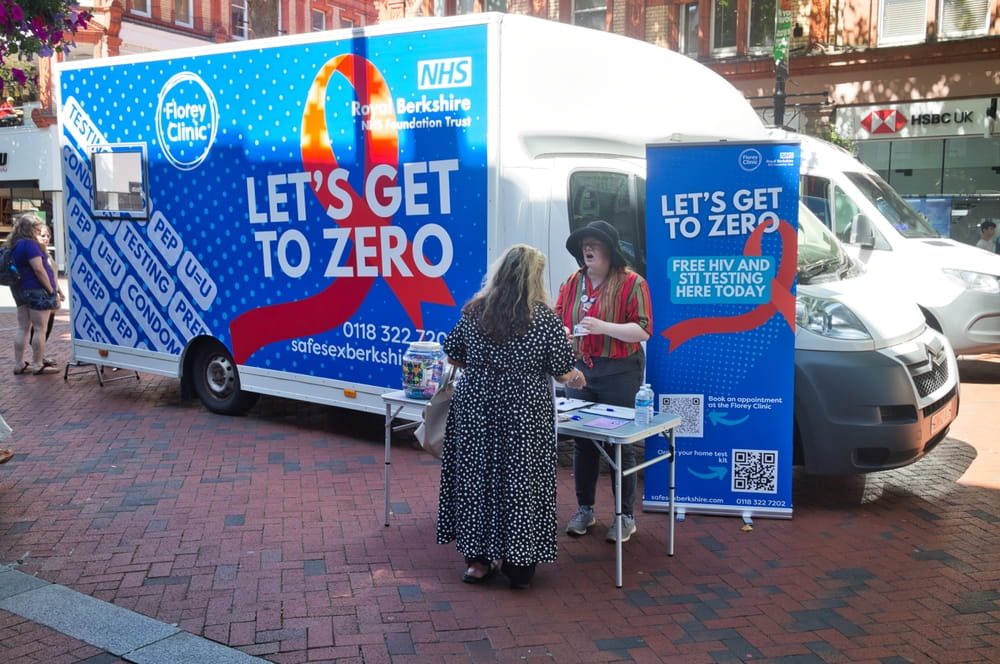
Community HIV testing programs are initiatives designed to provide HIV testing outside of traditional clinical environments. These programs often operate in community centers, mobile testing units, outreach events, or pop-up clinics located in areas where people live, work, or gather. By meeting individuals where they are, these programs reduce logistical and emotional barriers to testing.
Unlike traditional healthcare settings, community testing environments are often designed to feel informal and welcoming. This approach can make testing more approachable for people who may feel anxious about medical offices or who have had negative healthcare experiences in the past. Community testing programs typically focus on education, confidentiality, and ease of access, ensuring individuals feel supported throughout the process.
Many community programs also provide information about prevention, follow-up testing, and general sexual health. Educational resources such as HIV testing information help individuals understand what testing involves and why regular screening is important.
Why Early Detection Is So Important
Early detection of HIV plays a crucial role in long-term health and public health outcomes. HIV often causes no noticeable symptoms in its early stages, which means individuals may be unaware of their status without testing. Community testing programs help identify infections earlier by making screening more accessible and routine.
When HIV is detected early, individuals gain clarity about their health and can make informed decisions moving forward. Early awareness supports timely medical follow-up, reduces uncertainty, and allows people to take steps to protect their overall well-being. From a public health perspective, early detection also helps reduce onward transmission by increasing awareness and encouraging preventive behaviors.
Community testing programs are especially effective at reaching people who may not otherwise seek testing, including individuals without regular healthcare access, those with busy schedules, or people who feel uncomfortable discussing sexual health in clinical settings.
Improving Access Through Community-Based Locations
One of the greatest strengths of community HIV testing programs is their ability to improve access. Traditional healthcare systems may present obstacles such as appointment wait times, transportation challenges, cost concerns, or limited clinic hours. Community programs are often flexible, offering testing during evenings, weekends, or special events.
Mobile testing units are a common example of this flexibility. These units can travel to underserved neighborhoods, rural areas, or large community gatherings, bringing testing directly to people who might otherwise face significant barriers. By reducing the need for travel or time off work, community testing helps normalize HIV screening as a convenient and routine activity.
Community-based locations also tend to feel familiar and trusted. When testing is offered in spaces people already use, such as community centers or outreach events, individuals may feel more comfortable participating.
Reducing Stigma Through Visibility and Education
Stigma remains one of the most significant barriers to HIV testing. Fear of judgment, discrimination, or social consequences can discourage people from seeking screening. Community HIV testing programs help reduce stigma by making testing visible, normalized, and openly discussed.
When testing is offered as part of a community event or outreach initiative, it sends a clear message that HIV screening is a normal and responsible health practice. Educational conversations often accompany testing, helping dispel myths and promote accurate information about HIV transmission, prevention, and treatment.
Community programs also emphasize confidentiality and respect. Testing is conducted privately, and individuals are supported regardless of their results. This supportive approach helps shift perceptions around HIV testing from fear-based to empowerment-focused.
Reaching Populations That May Be Underserved
Community HIV testing programs play a vital role in reaching populations that are often underserved by traditional healthcare systems. These may include individuals without insurance, people experiencing housing instability, young adults, or those who face cultural or language barriers.
By tailoring outreach strategies to specific communities, testing programs can address unique needs and concerns. For example, culturally competent staff, multilingual resources, and community partnerships help ensure testing is inclusive and respectful.
Reaching underserved populations not only supports individual health but also strengthens community-wide prevention efforts. When more people know their status, communities are better equipped to reduce transmission and support overall wellness.
What to Expect at a Community HIV Testing Event
Many people feel unsure about what happens at a community HIV testing event, which can create hesitation. Understanding the process can help ease anxiety and encourage participation.
Testing typically begins with a brief conversation to explain the process and answer questions. The test itself may involve a finger stick or oral swab, depending on the type of screening offered. Many community programs provide rapid tests with results available within minutes.
Results are delivered confidentially, and individuals are given information about next steps regardless of the outcome. The focus remains on education, support, and clarity rather than pressure or judgment.
How Community Testing Supports Ongoing Prevention
Community HIV testing programs often serve as an entry point to broader prevention education. In addition to testing, individuals may learn about safer sex practices, routine screening schedules, or preventive tools that support long-term health.
By offering education alongside testing, these programs empower individuals to make informed choices beyond the event itself. Community testing reinforces the idea that HIV prevention is an ongoing process rather than a one-time action.
Prevention-focused conversations help individuals understand their risk factors and encourage proactive health behaviors, contributing to improved outcomes over time.
Practical Reasons People Choose Community HIV Testing
There are many reasons individuals prefer community-based HIV testing over traditional clinic visits. Common motivations include convenience, privacy, and comfort. Community testing can feel less formal and more approachable, especially for those testing for the first time.
Some people appreciate the ability to receive testing without scheduling appointments or navigating healthcare systems. Others value the educational component and the opportunity to ask questions in a relaxed environment.
Below are several reasons community HIV testing programs continue to grow in importance:
• Convenient locations and flexible hours
• Reduced stigma through normalization of testing
• Increased access for underserved populations
• Rapid results and immediate education
• Community-centered, supportive environments
These benefits help explain why community testing remains a powerful tool for early detection and prevention.
Strengthening Community Health Through Early Awareness
Early detection through community testing has ripple effects that extend beyond individual health. When more people are aware of their HIV status, communities benefit from reduced transmission rates, increased prevention awareness, and stronger connections to care and education.
Community testing programs foster trust between public health initiatives and local populations. This trust encourages ongoing engagement, repeat testing, and open conversations about sexual health.
By prioritizing early awareness and accessibility, community HIV testing programs contribute to healthier, more informed communities.
Why Community-Based Testing Makes Early Detection Possible
Community HIV testing programs remove barriers, reduce stigma, and make early detection achievable for more people. By offering accessible, supportive, and educational testing opportunities, these programs help individuals learn their status sooner and make informed decisions about their health. Healthcare Unity Group in Melbourne, FL and Kearny, NJ teaches the community about HIV testing to support early awareness and improved outcomes. When testing is brought into the community, early detection becomes not just possible, but practical and empowering.
Sources
Branson, B. M., et al. (2006). Revised recommendations for HIV testing of adults. Morbidity and Mortality Weekly Report.
Frieden, T. R., et al. (2005). The role of public health programs in HIV prevention. New England Journal of Medicine.
Suthar, A. B., et al. (2013). Community-based HIV testing and linkage to care. PLOS Medicine.