Learning that you have tested positive for HIV can bring many emotions—fear, confusion, uncertainty, or even disbelief. For residents across Florida & New Jersey, these feelings are completely normal. At Healthcare Unity Group (HUG) in Melbourne & Kearny, many individuals ask the same questions: What should I do right now? How will this affect my life? Where can I find reliable information? The steps you take in the days and weeks after a positive test can help you gain clarity, protect your health, and feel more in control of your future. This blog provides a clear, grounded guide to help you navigate what comes next.
Take Time to Process Your Emotions
An HIV diagnosis can feel overwhelming, and everyone reacts differently. Some people feel anxious, others become quiet or uncertain, and some immediately want to take action. There is no right or wrong emotional response. What matters is giving yourself space to process what you are feeling.
It may help to talk with someone you trust—a partner, family member, close friend, or support professional. Many Floridians & New Jerseyans also benefit from community-based organizations or peer groups, where they can talk to others who have experienced the same diagnosis. Recognizing that you are not alone is often the first step toward regaining a sense of stability and confidence.
Confirm Your Test Results
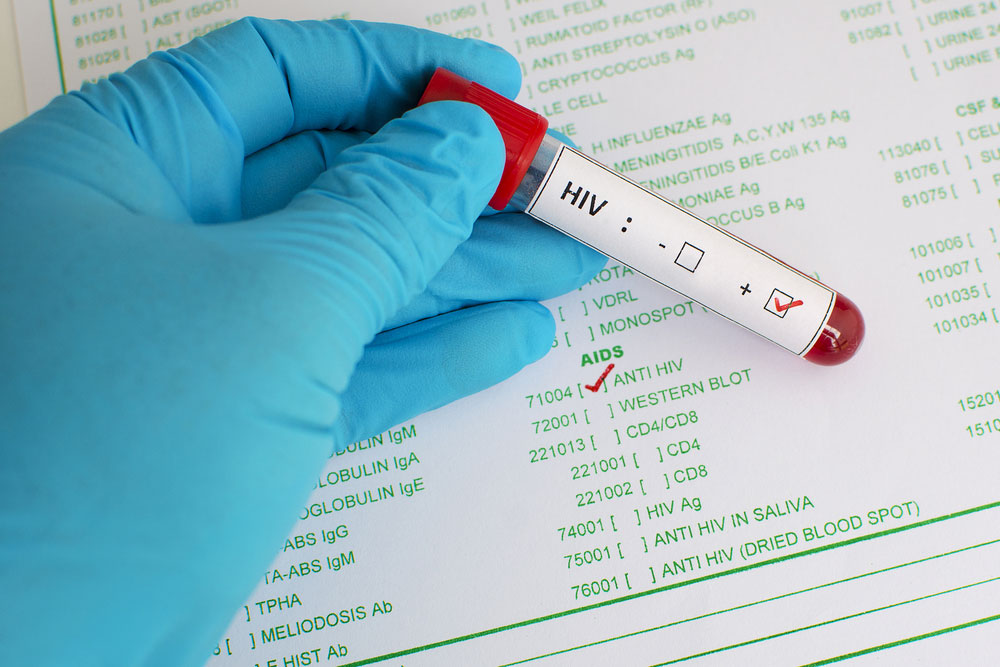
Although modern HIV tests are highly accurate, confirmatory testing is an important step after any positive result. This additional test verifies the diagnosis and provides more information about your current stage of infection. In some cases, confirmatory testing may be completed automatically, depending on the type of test used.
Confirming your results helps ensure that the information you receive moving forward is accurate, which supports better decision-making about your health. Once confirmation is complete, your provider can guide you through the next essential steps.
Schedule Initial Blood Work and Health Checks
After confirmation, the next step is getting baseline blood work. This testing typically measures your CD4 count and viral load—two key markers that help show how HIV is affecting your body. Understanding these numbers can help you and your care team track changes over time.
Floridians and New Jerseyans who want to better understand these tests can explore educational materials on HIV treatment, which explain how monitoring plays an important role in long-term health.
Baseline testing may also include screenings for other health conditions, sexually transmitted infections, or liver and kidney health. These tests provide a clear starting point for managing your wellness.
Learn About Treatment Options and How They Work
Once your initial health information is gathered, the next step is learning about treatment. Modern antiretroviral therapy (ART) is highly effective at controlling HIV. When taken consistently, it can lower your viral load to undetectable levels, which helps protect your immune system and reduces the risk of transmitting HIV to others.
Treatment begins with understanding—not urgency. Take time to ask questions, understand how medications work, and learn about adherence. Many people living in Florida lead long, healthy lives with HIV thanks to the reliability of today’s treatment options.
Understand What “Undetectable” Means
One of the most empowering facts about HIV today is that individuals who maintain an undetectable viral load cannot transmit HIV sexually. This concept, often referred to as “U=U” (Undetectable = Untransmittable), has transformed how people think about relationships, intimacy, and long-term outlook.
Reaching and maintaining undetectable status takes time and consistency, but it is achievable for most individuals who engage in ongoing care. Understanding this can help reduce fear and stigma while providing hope and reassurance.
Build a Support System That Works for You
After a positive HIV test, building a stable support system is extremely helpful. This may include medical professionals, mental health counselors, community organizations, peer advocates, or trusted loved ones. Everyone’s support network looks different.
Support systems can help with:
• Emotional resilience and stress management
• Understanding medications and follow-up appointments
• Navigating daily challenges or routines
• Staying motivated throughout treatment
Whatever route you choose, knowing that you have people in your corner can make a meaningful difference in your overall well-being.
Focus on Your Next Steps With Confidence
A positive HIV test is a major life moment, but it does not define your future. With accurate information, early action, and a strong support system, you can protect your health and move forward with confidence. Understanding your diagnosis helps you regain control—not lose it.
Healthcare Unity Group (HUG) encourages individuals to stay informed, ask questions, and take each step at their own pace. For additional educational support or general guidance, visit hugcares.org. This website provides educational resources for patients of Healthcare Unity Group (hugcares.org).
Sources
Branson, B. M., et al. (2014). Laboratory Testing for the Diagnosis of HIV Infection. CDC Guidelines.
Cohen, M. S., et al. (2011). Antiretroviral Therapy and HIV Transmission Dynamics. New England Journal of Medicine.
World Health Organization (2022). HIV Diagnosis and Initial Care Steps. WHO Publications.