PrEP has quickly become one of the most powerful tools in HIV prevention, and many people are curious about how it actually works on a biological level. Understanding the science behind PrEP can help people feel confident, informed, and in control of their health choices. At Healthcare Unity Group in Melbourne, FL, individuals of all ages and identities can explore what makes this medication so effective and what happens inside the body once PrEP is taken.
This article explains how PrEP interacts with the body, how it blocks HIV from establishing infection, and why daily consistency matters. You will also learn how PrEP works alongside other sexual health tools such as HIV testing, PEP, and STI prevention strategies.
What Happens in the Body When You Take PrEP
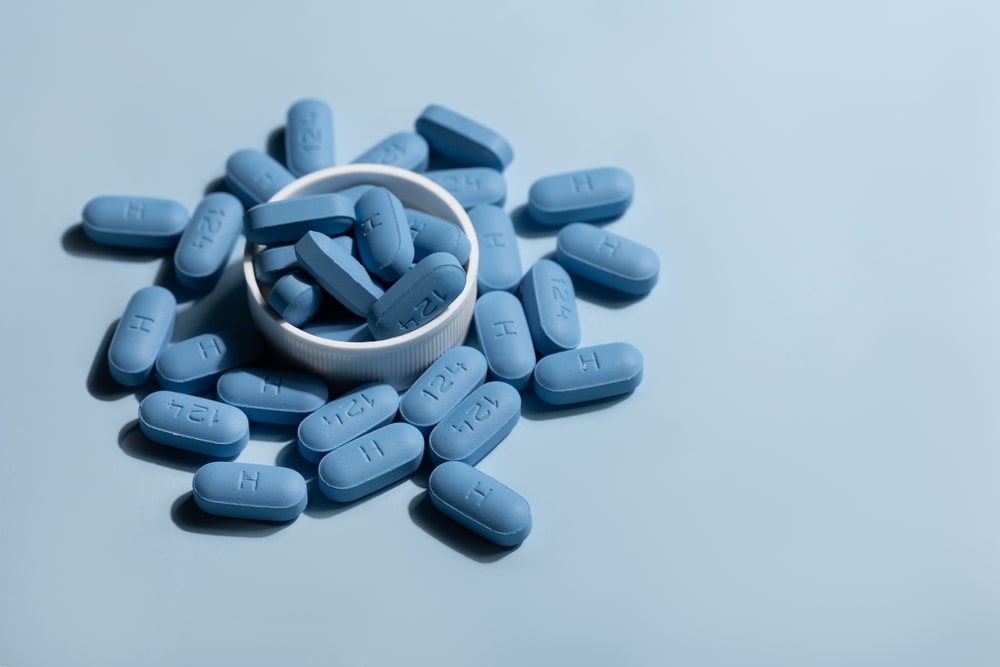
PrEP, short for pre-exposure prophylaxis, is a medication that creates a protective barrier in the body before exposure to HIV. When taken consistently, PrEP becomes highly effective at reducing the risk of contracting HIV through sex or injection-related exposure. But rather than simply “killing the virus,” PrEP works in a more sophisticated way—by interrupting HIV’s replication process at the cellular level.
After taking a dose, the medication is absorbed through the digestive system and enters the bloodstream. Over time, the drug builds up in key tissues where HIV exposure typically occurs, such as the rectal, vaginal, and bloodstream compartments. For many people, understanding their HIV status is an important first step before beginning PrEP, which is why routine screening like rapid HIV testing can be an important part of overall prevention.
This buildup is essential because HIV targets specific immune cells called CD4 cells. PrEP waits inside these cells, ready to act if HIV enters the body. That readiness is what makes PrEP so effective—it works long before an infection has a chance to start.
How PrEP Blocks HIV at the Cellular Level
HIV cannot cause lifelong infection unless it successfully hijacks CD4 cells and copies itself. To replicate, HIV needs to convert its RNA into DNA—a process called reverse transcription. PrEP contains antiretroviral medications that mimic the building blocks HIV needs for this process, but with a twist: they are faulty versions.
When HIV attempts to replicate in someone who is on PrEP, the medication gets incorporated into the virus’s chain of DNA. This causes the chain to break, completely stopping replication. Without the ability to replicate, HIV cannot take hold.
Understanding this mechanism also helps explain why daily consistency matters. PrEP must be present in the body at high enough concentrations to interrupt HIV’s replication. If doses are missed frequently, the protective barrier may weaken, allowing HIV to replicate more easily.
PrEP works best as part of a comprehensive approach to sexual health. That may include regular HIV monitoring, supportive care from providers, and long-term treatment plans when necessary. For individuals who receive a new diagnosis, services such as HIV treatment play a key role in maintaining health and preventing transmission.
How PrEP Interacts with Real-Life Scenarios
Although the science behind PrEP can feel complex, its impact is straightforward: it reduces the risk of HIV transmission by taking action before the virus can establish itself. The medication performs the same function regardless of the type of exposure—stopping HIV replication.
However, timing plays an important role. PrEP is most effective when taken consistently, and it may take several days to reach protective levels depending on the type of exposure. If someone is concerned about a recent high-risk encounter and is not already on PrEP, a different preventive option—HIV PEP—is used within 72 hours to reduce the risk of infection.
PrEP also fits into broader sexual wellness. For example, bacterial infections can increase inflammation in the body, making HIV transmission more likely. Routine STI testing and treatment supports overall prevention and helps individuals maintain control over their sexual health.
Additionally, preventive strategies such as DoxyPEP may complement HIV prevention by reducing the risk of certain STIs that can raise HIV susceptibility. This demonstrates how modern sexual health uses multiple layers of protection that work together.
Why Consistency Matters for Maximum Protection
To fully understand how PrEP works, it helps to look at why routine dosing is so important. The effectiveness of PrEP depends on maintaining enough medication in the bloodstream and tissues to block HIV’s replication process. When doses are skipped, concentrations drop, giving the virus an opportunity to replicate if exposure occurs.
The following factors influence PrEP’s protective strength:
• Tissue concentration levels. Rectal and vaginal tissues absorb medication differently, which affects timing and protection.
• Daily habits and medication adherence. Consistency allows protective drug levels to remain stable.
• Overall health and medication interactions. Supporting mental health or managing other prescriptions—such as through psychiatric medication management—can help people stay consistent with daily PrEP routines.
• Monitoring and testing. Regular follow-up ensures that PrEP is working effectively and that HIV status remains negative.
PrEP’s success depends not only on the medication itself but also on the individual’s ability to keep it in their system over time. Fortunately, providers can help guide someone in choosing the right dosing schedule and ensuring it fits their lifestyle.
Additional Biological Insights: What Makes PrEP Different
Unlike medications used to treat HIV, PrEP is taken before exposure. This distinction is important because PrEP works proactively instead of reactively. Instead of fighting an active infection, it blocks HIV’s earliest stages. Because of this preventive approach, PrEP has no effect on other viruses or bacteria. It specifically targets the reverse transcription process that HIV uses.
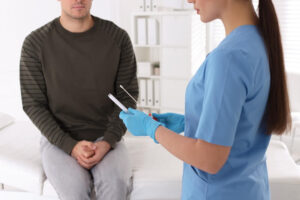
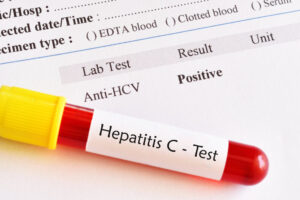
PrEP is also monitored regularly through lab testing. These visits help ensure that the body is processing the medication safely and that HIV has not entered the system unexpectedly. Monitoring may include checking kidney function, HIV status, and screening for Hepatitis C when appropriate. Individuals wanting to learn more about preventing or managing HCV can explore information on Hepatitis C, which is another important part of sexual and injection-related health.
Taken together, these components show how PrEP fits into a larger picture of wellness, prevention, and informed decision-making.
Staying Empowered Through Sexual Health Knowledge
Understanding how PrEP works inside the body helps people make informed choices about their health. Knowing that the medication is actively blocking HIV at the cellular level can offer reassurance, confidence, and a sense of control. PrEP represents modern science working hand-in-hand with preventive care.
For people who want to explore their options, information about PrEP is available at resources such as the PrEP Services page. Staying educated, asking questions, and connecting with trusted providers are all steps that support long-term health.
As you consider the role of PrEP in your HIV prevention strategy, remember that your wellbeing is supported by many tools—including testing, PEP, STI prevention, and ongoing access to accurate health information. Healthcare Unity Group in Melbourne, FL encourages individuals to stay informed, empowered, and proactive about their sexual health.
Sources:
Grant RM, Anderson PL, McMahan V et al. (2014). Uptake of pre-exposure prophylaxis, sexual practices, and HIV incidence in men and transgender women who have sex with men. Lancet Infectious Diseases.
Spinner CD, Boesecke C, Zink A et al. (2016). HIV pre-exposure prophylaxis (PrEP): A review of current knowledge of oral systemic HIV PrEP in humans. Infection.
Molina JM, Capitant C, Spire B et al. (2015). On-demand preexposure prophylaxis in men at high risk for HIV-1 infection. New England Journal of Medicine.