
Most of healthcare responds to problems after they appear. Prevention works in the opposite direction, and PrEP, short for pre-exposure prophylaxis, is one of the clearest examples of that logic in action. It is a medication strategy for people who do not have HIV but whose circumstances may increase their likelihood of exposure, designed to reduce risk before any exposure ever happens.
The question most people bring to a prep eligibility guide is simple: Is this meant for me? The honest answer is that eligibility is not a checklist or a category. It is an individualized conversation that weighs health history, relationships, lifestyle, and personal goals.
Providers Dr. Tony Walko and Dr. Rich Minuski at Healthcare Unity Group (HUG) have these conversations regularly with patients in Melbourne, FL, Kearny, NJ, and via telehealth, and they tend to begin the same way: with information, not assumptions.
What Is PrEP?
PrEP stands for pre-exposure prophylaxis. It is a preventive medication strategy used by individuals who do not have HIV but may have an increased likelihood of exposure in the future. The goal of PrEP is to reduce the risk of HIV infection before exposure occurs.
PrEP works differently from treatment medications used by people living with HIV. Instead of managing an existing infection, it is used as a preventive measure. When taken as prescribed, PrEP helps prepare the body in advance and forms part of a broader prevention strategy.
Many people first learn about PrEP through conversations about PrEP services, where providers explain how prevention planning fits into overall healthcare. These discussions often include information about eligibility, testing requirements, and ongoing monitoring.
Understanding the purpose of PrEP is an important first step because it helps clarify who the medication is designed for and why healthcare providers may recommend it in certain situations.
Why Prevention Planning Matters
Prevention planning is about understanding risk, evaluating options, and making informed decisions that support long-term health. Rather than waiting for a health concern to develop, preventive strategies focus on reducing risk before problems occur.
PrEP is one example of how preventive medicine can be personalized. Different people have different circumstances, and prevention plans should reflect those individual factors. What makes sense for one person may not be necessary for another, which is why conversations with healthcare providers are so important.
Prevention planning may also include discussions about HIV care and testing, routine screening, and other strategies that support awareness and informed decision-making. By looking at the full picture of a person’s health, providers can help determine whether PrEP may be an appropriate part of a broader prevention plan.
These conversations are not about labels or assumptions. They are about understanding healthcare options and empowering individuals to make decisions based on accurate information and their own circumstances.
Who May Benefit From PrEP?
PrEP is generally considered for individuals who do not have HIV but may have circumstances that increase their risk of exposure. Determining eligibility involves reviewing personal health history, lifestyle factors, and current prevention strategies.
Healthcare providers evaluate each situation individually rather than relying on a single factor. For example, some people may consider PrEP because they have a partner living with HIV, while others may be interested in additional protection as part of a broader prevention plan.
The goal is not to categorize people into specific groups but to identify whether PrEP may provide meaningful benefits based on personal circumstances. This individualized approach helps ensure that prevention strategies align with each person’s health needs and goals.
Providers often emphasize that PrEP discussions are routine healthcare conversations. They are designed to be informative, supportive, and focused on helping patients understand their options.
The Importance of HIV Testing Before Starting PrEP
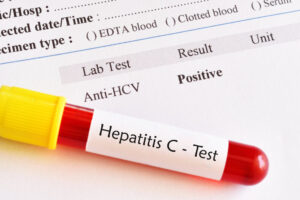
One of the most important steps in evaluating PrEP eligibility is confirming that an individual does not currently have HIV. Because PrEP is intended as a preventive medication rather than a treatment, HIV testing is an essential part of the process.
Healthcare providers typically recommend testing before PrEP is started and at regular intervals afterward. This ongoing monitoring helps ensure that the medication continues to be used appropriately and safely.
Testing is also an opportunity to discuss broader aspects of sexual health and preventive care. Many individuals learn more about STI testing and treatment during these conversations because comprehensive prevention planning often includes routine screening for multiple conditions.
Understanding the role of testing helps patients see that PrEP is not simply a prescription—it is part of an ongoing preventive healthcare strategy that includes regular communication and monitoring.
What Happens During a PrEP Consultation?
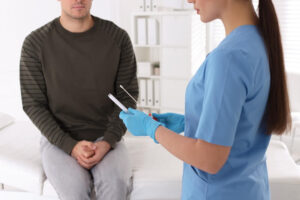
Many people wonder what to expect when discussing PrEP with a healthcare provider. In most cases, the conversation begins with a review of medical history, current health status, and any questions the patient may have about prevention options.
Providers may ask about previous HIV testing, current medications, and other factors that help determine whether PrEP is appropriate. These questions are intended to support informed decision-making and create a prevention plan tailored to the individual.
The consultation is also an opportunity to discuss how PrEP works, what ongoing monitoring involves, and what expectations patients should have moving forward. Understanding these details can help people feel more comfortable and confident about their healthcare decisions.
Many patients find that simply having a conversation about prevention helps clarify misconceptions and provides a better understanding of available options.
Common Misconceptions About PrEP
Several misconceptions can prevent people from exploring PrEP as a prevention strategy. One of the most common is the belief that PrEP is only intended for a very specific group of individuals. In reality, eligibility is based on individual circumstances and risk factors rather than broad assumptions.
Another misconception is that considering PrEP means someone is expecting to become infected with HIV. The purpose of PrEP is exactly the opposite—it is a preventive measure designed to reduce risk before exposure occurs.
Some people also assume that prevention planning is unnecessary if they currently feel healthy. However, preventive healthcare is most effective when it happens before a health issue develops. This same principle applies to vaccines, screenings, and many other preventive strategies used throughout healthcare.
Addressing misconceptions helps individuals make decisions based on facts rather than assumptions, leading to more informed conversations with healthcare providers.
PrEP as Part of a Broader Prevention Strategy
PrEP is most effective when viewed as one component of a comprehensive prevention plan. Healthcare providers often discuss multiple aspects of preventive care rather than focusing on a single intervention.
This broader approach may include routine HIV testing, STI screening, preventive counseling, and discussions about lifestyle factors that influence overall health. Prevention is rarely about one action alone—it is about combining strategies that work together to reduce risk and support wellness.
Patients who understand this broader perspective often feel more empowered to participate in healthcare decisions. Instead of viewing prevention as a series of isolated steps, they begin to see how different elements work together to create a more complete health plan.
Providers such as Dr. Tony Walko and Dr. Rich Minuski often emphasize education because informed patients are better equipped to make choices that align with their goals and circumstances.
The Role of Ongoing Monitoring
Starting PrEP is not the end of the conversation. Ongoing monitoring is an important part of the process and helps ensure that prevention strategies remain appropriate over time.
Regular follow-up appointments provide opportunities to review health status, discuss any concerns, and complete recommended testing. These visits also allow providers to answer new questions and adjust prevention plans if circumstances change.
Monitoring helps keep prevention efforts proactive rather than reactive. By maintaining regular communication, patients and providers can work together to ensure that healthcare decisions continue to reflect current needs and goals.
Many patients find that ongoing follow-up provides reassurance and helps them stay engaged with preventive healthcare overall.
Prevention Begins With Information
If one idea should outlast everything else in a prep eligibility guide, it is that considering PrEP carries no implication and requires no label. It is simply a preventive healthcare conversation, the same in spirit as discussing vaccines or screenings, grounded in a person’s actual circumstances rather than anyone’s assumptions about them.
Eligibility starts with confirming HIV-negative status through testing, continues with an individualized review of risk and goals, and extends into ongoing monitoring that keeps the prevention plan aligned with real life as it changes. People who explore the option lose nothing by asking and often gain a clearer picture of their overall sexual health. That is the spirit in which Healthcare Unity Group (HUG) approaches prevention for patients throughout Florida, New Jersey, and via telehealth, where Dr. Tony Walko and Dr. Rich Minuski treat every PrEP discussion as what it truly is: routine, judgment-free healthcare planning.
Sources
Centers for Disease Control and Prevention (2024). Preexposure Prophylaxis for the Prevention of HIV Infection in the United States. MMWR Recommendations and Reports.
World Health Organization (2023). Consolidated Guidelines on HIV Prevention, Testing, Treatment, Service Delivery and Monitoring. Journal of the International AIDS Society.
Landovitz, R. J., McCauley, M. (2021). Pre-Exposure Prophylaxis for HIV Prevention. New England Journal of Medicine.