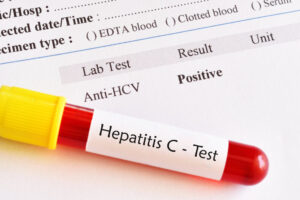

Protecting liver health involves more than monitoring symptoms or reviewing lab results. Preventive care also plays an important role, especially when it comes to infections that can affect the liver. At Healthcare Unity Group (HUG), serving Melbourne, FL, Kearny, NJ, and telehealth patients, conversations about liver wellness often include education about vaccines that help reduce the risk of certain viral infections.
For individuals researching hepatitis A and B vaccine information, it is important to understand that hepatitis A and hepatitis B are different viruses from hepatitis C. However, all three conditions affect the liver, which is why preventive strategies are often discussed together. Vaccination against hepatitis A and B can help support long-term liver health and reduce the likelihood of additional liver-related complications.
Understanding how these vaccines work, who may benefit from them, and why they are considered part of preventive healthcare can help individuals make more informed decisions about protecting their health over time.
Understanding Hepatitis A and Hepatitis B
Hepatitis A and hepatitis B are viral infections that affect the liver, but they spread in different ways and behave differently in the body.
Hepatitis A is typically spread through contaminated food or water or through close personal contact with an infected person. It often causes short-term illness and does not usually become chronic, but it can still place stress on the liver while the infection is active.
Hepatitis B is spread through blood and certain bodily fluids. Unlike hepatitis A, hepatitis B can become a long-term infection in some individuals and may lead to chronic liver disease over time. Because of this, prevention through vaccination is considered especially important.
Many people are already familiar with hepatitis C discussions through resources such as Hepatitis C (HCV), but understanding the differences between these viruses helps clarify why separate vaccines exist for hepatitis A and B.
Although these infections are different, they share one important connection: all can affect liver health. Preventive measures that reduce the risk of additional liver stress are often considered part of a broader long-term wellness strategy.
How Hepatitis Vaccines Work
Vaccines help the immune system recognize and respond to specific viruses before infection occurs. The hepatitis A and B vaccine process trains the body to identify these viruses and build protective immune responses over time.
The hepatitis A vaccine and hepatitis B vaccine are administered as injections, typically in a series of doses depending on the specific vaccine schedule. Some combination vaccines protect against both hepatitis A and hepatitis B at the same time.
Vaccination does not treat an existing infection. Instead, it helps reduce the likelihood of future infection by preparing the immune system in advance. This preventive approach is why vaccines are considered such an important part of public health and long-term healthcare planning.
For individuals already managing liver-related conditions, preventive measures can become even more important. Protecting the liver from additional viral infections may help reduce overall strain on the body and support ongoing health monitoring.
Who Should Consider Hepatitis Vaccination?
Vaccination recommendations can vary depending on age, medical history, lifestyle, travel plans, and overall health considerations. Many individuals receive hepatitis B vaccination during childhood, but some adults may not have completed the series or may not know their vaccination status.
Healthcare providers may discuss hepatitis A and B vaccination with individuals who have certain risk factors, work in healthcare settings, travel internationally, or have conditions that affect liver health. In some cases, vaccination discussions become especially important for people already managing chronic liver conditions because protecting the liver from additional infections can support long-term wellness.
Routine healthcare visits often include conversations about preventive care recommendations, including immunizations. These discussions are designed to help individuals understand which vaccines may be relevant based on their personal health history and current guidelines.
Vaccination is not about assuming someone is at risk for illness—it is about reducing preventable health complications and supporting overall wellness over time.
Why Liver Protection Matters
The liver performs many essential functions in the body, including filtering toxins, processing nutrients, and helping metabolize medications. Because it plays such a central role in overall health, protecting liver function is an important aspect of preventive healthcare.
When the liver is affected by viral infections, inflammation can occur. While the body may recover from some infections, repeated or chronic stress on the liver can increase the importance of ongoing monitoring and preventive strategies.
This is one reason why hepatitis A and B vaccines are often discussed in the context of long-term liver care. Preventing avoidable infections may help reduce additional strain on the liver and support overall health management.
Providers may also discuss broader infectious disease prevention during appointments, including topics related to routine screening and preventive healthcare. Educational conversations about infectious diseases often overlap with STI testing and treatment and other preventive services where awareness, early detection, and informed healthcare decisions play important roles.
Understanding liver protection as part of a broader healthcare strategy helps patients see vaccination as one component of long-term wellness rather than an isolated recommendation.
What to Expect During Vaccination Appointments
Many people feel uncertain about what happens during a vaccination appointment, especially if they have not received routine immunizations in several years. In most cases, the process is straightforward and brief.
Before vaccination, providers may review medical history, discuss prior immunizations, and answer questions about the vaccine schedule. This conversation helps ensure that the recommended vaccine aligns with the individual’s health needs and current vaccination status.
The vaccine itself is typically administered as an injection in the upper arm. Some vaccines require multiple doses over a period of time to provide full protection. Providers explain the schedule clearly so patients know when follow-up doses may be recommended.
Most individuals can continue their normal daily activities after vaccination. Mild soreness at the injection site or temporary fatigue can occur, but reactions are generally short-lived. Providers also review what to expect after vaccination and when to seek medical advice if unusual symptoms develop.
Understanding the process ahead of time can make vaccination appointments feel more comfortable and less intimidating.
Common Questions About Hepatitis Vaccines
Patients often have questions about hepatitis vaccines, particularly when they are already managing other health conditions or are unfamiliar with how the vaccines work.
One common question is whether hepatitis A and B vaccines protect against hepatitis C. These vaccines do not prevent hepatitis C infection because hepatitis C is caused by a different virus. However, vaccination against hepatitis A and B may still be recommended as part of protecting overall liver health.
Another frequent question involves how long protection lasts. In many cases, hepatitis vaccines provide long-term protection after the full vaccine series is completed. Providers may review vaccination history or discuss whether additional testing is needed to confirm immunity.
Some people also wonder whether vaccination is still useful if they feel healthy. Preventive vaccines are designed specifically for times when individuals are healthy because the goal is to help the immune system prepare before exposure occurs.
Addressing these questions openly helps patients feel more informed and confident about vaccination decisions.
Vaccination and Preventive Healthcare
Preventive healthcare focuses on reducing future health risks before problems develop. Vaccines are one of the most widely recognized examples of this approach because they help the body prepare for potential exposure to infectious diseases.
In addition to hepatitis vaccines, preventive care may include routine health screenings, wellness visits, and discussions about infectious disease awareness. Some patients may also have conversations related to broader infectious disease prevention through HIV care and testing, where ongoing monitoring, education, and preventive strategies are also important parts of long-term health management.
By viewing vaccines as part of a larger preventive care strategy, patients can better understand how different aspects of healthcare work together to support long-term wellness. Preventive measures are not only about responding to illness—they are about maintaining health proactively over time.
Supporting Long-Term Liver Wellness
Liver health is influenced by many factors, including infections, medications, lifestyle choices, and preventive healthcare decisions. Vaccination is one way individuals can support long-term liver wellness by helping reduce the risk of certain viral infections that affect the liver.
Providers such as Dr. Tony Walko and Dr. Rich Minuski often emphasize the importance of education when discussing preventive care. Helping patients understand why vaccines are recommended allows them to participate more actively in healthcare decisions and feel more confident about their long-term wellness plans.
These conversations are designed to be informative and personalized. Rather than following a generic checklist, providers consider each patient’s medical history and health goals when discussing preventive care options.
Understanding how vaccines fit into overall healthcare planning helps individuals see them as part of a thoughtful and coordinated approach to wellness.
Prevention as Part of Long-Term Care
Vaccination plays an ongoing role in caring for the liver over the years. Building a working knowledge of how the hepatitis A and B vaccines function can guide individuals toward better decisions when it comes to safeguarding their health and looking after their liver across a lifetime.
Learning about the recommendations surrounding hepatitis A and B vaccines can take some of the mystery out of preventive healthcare and make it feel more within reach. Healthcare Unity Group (HUG), serving Melbourne, FL, Kearny, NJ, and patients through telehealth services, includes providers like Dr. Tony Walko and Dr. Rich Minuski who work to walk patients through how prevention, knowledge, and consistent monitoring come together to uphold long-term health.
Pairing vaccination with steady healthcare visits, regular check-ins, and well-informed choices puts individuals in a stronger position to look after their liver health and head off preventable risks as the years go on.
Sources
Centers for Disease Control and Prevention (2023). Prevention of Hepatitis A Through Active or Passive Immunization. MMWR Recommendations and Reports.
Schillie, S., Vellozzi, C. (2018). Prevention of Hepatitis B Virus Infection in the United States. MMWR Recommendations and Reports.
World Health Organization (2022). Hepatitis Vaccines: WHO Position Paper. Weekly Epidemiological Record.