
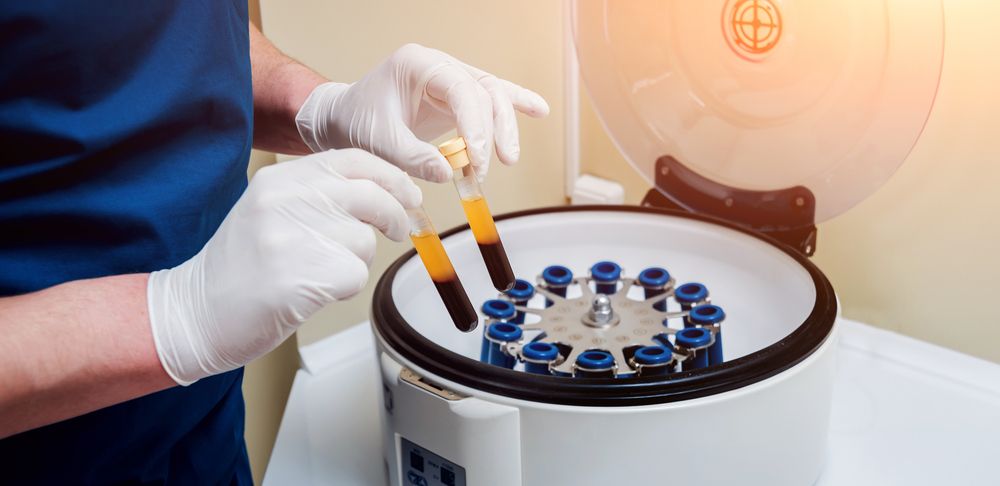
Hepatitis C treatment is usually straightforward, but it still involves more than simply taking medication each day. Blood work gives healthcare providers important information about liver health, medication safety, and whether treatment is progressing as expected.
For patients in Melbourne, FL, Kearny, NJ, and those using telehealth, Healthcare Unity Group (HUG) helps make those laboratory checkpoints easier to understand. Dr. Tony Walko and Dr. Rich Minuski may use testing before, during, and after treatment to build a clearer picture of how the body is responding and whether additional follow-up is needed.
Knowing why each test is ordered can make the process feel less routine and more meaningful. Lab monitoring is one of the ways providers confirm that treatment remains appropriate from start to finish.
For individuals learning more about Hepatitis C (HCV), understanding the role of blood work can make the treatment process feel more predictable. Lab monitoring is not simply a routine requirement. It helps the healthcare team confirm important baseline information, evaluate treatment safety, and determine whether the virus has been successfully cleared.
Why Labs Are Checked Before Treatment Begins
Before starting hepatitis C medication, providers generally need a clear picture of the patient’s current health. Baseline laboratory tests help establish that starting point and may influence which treatment approach is most appropriate.
Blood work may be used to evaluate liver function, kidney function, blood cell counts, and the amount of hepatitis C virus present in the bloodstream. Providers may also review testing for hepatitis B and HIV because these infections can affect treatment planning and follow-up recommendations.
The medication list is another important part of the pretreatment evaluation. Prescription drugs, over-the-counter medications, vitamins, and supplements may interact with certain hepatitis C treatments. Reviewing this information before therapy begins allows providers to identify potential concerns and make changes when necessary.
Baseline testing also provides something to compare against later. If a laboratory value changes during treatment, the healthcare team can look at earlier results to determine whether that change is new or part of an existing pattern.
What Types of Blood Tests May Be Ordered?
The exact laboratory panel varies from patient to patient, but several types of tests may commonly be included during hepatitis C care.
A complete blood count, or CBC, measures components of the blood such as red blood cells, white blood cells, and platelets. Platelet levels can be particularly relevant because they may provide information about advanced liver disease when interpreted alongside other findings.
A metabolic or liver panel can measure substances such as ALT, AST, bilirubin, albumin, and other markers related to liver and kidney function. These results help providers understand how well the liver is functioning and whether additional evaluation is necessary.
HCV RNA testing measures the amount of hepatitis C virus in the blood. Unlike an antibody test, which can remain positive even after the infection has been cured, an HCV RNA test shows whether the virus itself is currently detectable.
Other testing may be added based on the individual’s medical history. Someone with cirrhosis, kidney disease, another infection, or medications that require additional monitoring may have a different testing schedule than someone without those concerns.
How Lab Monitoring Supports Treatment Safety
Modern hepatitis C medications are highly effective and generally well tolerated, but providers still monitor patients throughout care to make sure treatment remains appropriate.
Laboratory results can reveal changes that may not cause immediate symptoms. For example, alterations in liver or kidney function may require closer observation, particularly in someone who already has another medical condition or takes multiple medications.
Monitoring also provides an opportunity to review side effects, adherence, and any new medications that have been added since treatment began. Even a prescription from another provider or a newly started supplement may be relevant because certain products can interact with antiviral therapy.
Patients should tell their healthcare team about medication changes rather than waiting until the next scheduled blood test. Lab monitoring works best when it is combined with open communication about anything that has changed during treatment.
Does Everyone Need the Same Number of Lab Tests?
No. Hepatitis C treatment has become simpler over time, and many patients do not require frequent blood work throughout an uncomplicated treatment course. The amount of monitoring depends on factors such as the medication regimen, presence of cirrhosis, kidney function, other health conditions, and medications taken at the same time.
Some patients may need only limited laboratory testing while they are taking treatment. Others may need closer monitoring because of their medical history or because certain results require follow-up.
This individualized approach helps avoid unnecessary testing while still giving providers the information they need to manage treatment safely. Patients should follow the schedule recommended for their own situation rather than comparing their laboratory appointments with someone else undergoing hepatitis C treatment.
What Happens During Treatment Monitoring?
During treatment, laboratory monitoring is used to make sure care stays on track. Depending on the patient’s treatment plan, blood work may be scheduled at specific points or only when there is a reason to check certain values more closely.
Providers may review liver enzymes, kidney function, blood counts, and other markers as needed. They may also ask about side effects, missed doses, or any new medications or supplements.
For patients who are also receiving HIV care and testing, coordination between treatment plans can be especially important. HIV medications and hepatitis C medications may need to be reviewed together so that potential interactions are identified and treatment remains appropriate.
Patients should not assume that fewer lab appointments mean treatment is less thorough. In many cases, modern hepatitis C therapy can be monitored with fewer tests than older treatment regimens required. The schedule is based on the individual’s health needs rather than a one-size-fits-all approach.
Why HCV RNA Testing Matters
One of the most important laboratory tests in hepatitis C care is the HCV RNA test. This test looks for the virus itself in the bloodstream.
A hepatitis C antibody test can remain positive even after successful treatment because antibodies may stay in the body long term. For that reason, antibody testing is not used to confirm whether treatment worked.
HCV RNA testing provides the information needed to determine whether the virus is still detectable. It may be checked at different points depending on the treatment plan, but the most important assessment is performed after treatment has been completed.
If HCV RNA remains undetectable at the recommended follow-up interval, the patient is considered to have achieved a sustained virologic response, often referred to as SVR. This is generally considered a cure.
Understanding the difference between antibody testing and RNA testing helps patients interpret their results more accurately and avoid unnecessary concern if an antibody test remains positive after treatment.
Monitoring After Treatment Ends
Laboratory follow-up does not necessarily stop on the final day of medication. After treatment is completed, patients generally return for HCV RNA testing to confirm whether the virus has been cleared.
This post-treatment testing is a critical part of care because feeling better or completing every dose does not by itself confirm cure. Laboratory evidence is needed to show that the virus is no longer detectable.
For patients without cirrhosis who achieve a sustained virologic response, long-term follow-up may become much simpler. However, individuals with cirrhosis may continue to need ongoing liver monitoring even after the infection has been cured.
Patients who remain at risk for future exposure should also understand that successful treatment does not create immunity. A person can become infected with hepatitis C again after cure if another exposure occurs.
When Additional Testing May Be Needed
Some patients need more frequent or specialized laboratory monitoring because of other health conditions.
Examples may include people with cirrhosis, kidney disease, hepatitis B, HIV, pregnancy, or other medical conditions that affect treatment planning. A provider may also recommend additional testing if laboratory values change unexpectedly or if a patient develops new symptoms.
Patients who are receiving STI testing and treatment or other infectious disease services may also have laboratory work coordinated at the same time. Combining related testing can make follow-up more efficient and help providers maintain a more complete picture of overall health.
The important point is that additional testing is not necessarily a sign that something is wrong. In many cases, it simply reflects a more individualized approach to care.
Staying Organized With Lab Appointments
Keeping track of laboratory appointments can make treatment feel more manageable. Patients may benefit from noting test dates, keeping copies of results, and asking when the next blood draw is expected.
It can also be helpful to ask what each test is checking. Understanding the purpose of laboratory monitoring often reduces anxiety and gives patients a clearer sense of how treatment is progressing.
If a lab appointment is missed, patients should contact the healthcare team rather than assuming the test can simply be skipped. The provider can explain whether the blood work should be rescheduled and how quickly it needs to be completed.
Patients should also notify their provider if they start a new medication or supplement between scheduled visits. Treatment monitoring is most effective when laboratory results and medication information are kept current.
Monitoring Keeps Treatment on Track
Laboratory testing plays an important role before, during, and after hepatitis C treatment. It helps providers establish a baseline, monitor treatment safety, identify changes that may require attention, and confirm whether the virus has been successfully cleared.
Healthcare Unity Group (HUG) helps patients in Melbourne, FL, Kearny, NJ, and through telehealth understand what their lab schedule means and why certain tests are recommended. Dr. Tony Walko and Dr. Rich Minuski can review results, answer questions, and help patients stay informed throughout treatment.
For many people, the number of laboratory tests needed during hepatitis C therapy is lower than they may expect. What matters most is completing the tests that are recommended for the individual treatment plan and staying in communication with the healthcare team.
Sources
Centers for Disease Control and Prevention. Clinical Care of Hepatitis C.
American Association for the Study of Liver Diseases and Infectious Diseases Society of America. HCV Guidance: Monitoring Patients Who Are Starting HCV Treatment, Are on Treatment, or Have Completed Therapy.
Centers for Disease Control and Prevention. Hepatitis C Testing.