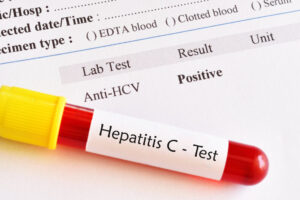
Infectious disease care can become complicated quickly when several needs overlap. A patient managing HIV may also need STI screening, hepatitis testing, medication monitoring, or prevention services. Someone treated for hepatitis C may still need liver follow-up or care for another chronic condition.
Addressing each issue separately can make healthcare feel fragmented. Integrated care looks at how those pieces relate to one another so testing, treatment, prevention, and monitoring can be coordinated more effectively.
Healthcare Unity Group (HUG) brings this broader perspective to patients in Melbourne, FL, Kearny, NJ, and through telehealth. Dr. Tony Walko and Dr. Rich Minuski consider the full treatment picture when helping patients navigate HIV, hepatitis C, STI care, prevention, and related health concerns. The goal is not simply to combine services, but to make complex care easier to understand and manage over time.
What Is Integrated Infectious Disease Care?
Integrated infectious disease care brings related services together so patients do not have to manage each health concern separately. This may include testing, treatment, preventive medication, routine monitoring, and referrals when additional support is needed.
For example, someone receiving HIV care and testing may also need STI screening, hepatitis testing, medication reviews, or prevention counseling. A patient treated for hepatitis C may require long-term liver monitoring or testing for other infections. Coordinating these needs can reduce gaps and help providers make decisions using a more complete picture of the patient’s health.
Integrated care also improves communication. When providers understand the full treatment plan, they can better identify medication interactions, avoid unnecessary duplication, and coordinate testing schedules.
The result is a more streamlined experience that supports both short-term treatment needs and long-term health goals.
Why Coordination Matters for HIV Care
HIV is a chronic condition that requires ongoing treatment and monitoring. Effective antiretroviral therapy can reduce the amount of HIV in the blood to an undetectable level, protecting the immune system and preventing sexual transmission when viral suppression is maintained.
Reaching and maintaining that goal depends on more than receiving a prescription. Patients may need regular viral load testing, medication reviews, kidney or liver monitoring, STI screening, and support with adherence.
Integrated care allows these pieces to be addressed together. If a patient starts a new medication, develops another health condition, or needs additional preventive services, the healthcare team can evaluate how those changes fit into the existing HIV treatment plan.
For patients managing several health concerns at once, this coordinated approach can make care feel less fragmented and more manageable.
Connecting HIV Prevention With Routine Care
Integrated infectious disease care is not limited to treating existing infections. Prevention can also be built into routine visits.
People who are HIV-negative but have ongoing exposure risk may benefit from PrEP, while those who experience a recent possible exposure may need PEP within a limited time window. Regular HIV testing helps ensure that prevention plans are based on current information.
Patients using preventive medication also need follow-up. Laboratory monitoring, STI screening, medication reviews, and discussions about changes in exposure risk may all be part of ongoing care.
By combining prevention with routine infectious disease services, patients can move between testing, treatment, and prevention more easily as their needs change.
Hepatitis C Care as Part of a Broader Plan
Hepatitis C is another condition that benefits from coordinated care. Modern antiviral medications can cure most infections, but successful treatment involves several steps before and after the medication course.
Patients may need initial testing to confirm an active infection, evaluation of liver health, medication interaction reviews, and follow-up testing to confirm cure. Individuals learning more about Hepatitis C (HCV) may also need guidance about reinfection risk, liver monitoring, and long-term surveillance when cirrhosis is present.
When hepatitis C care is integrated with other infectious disease services, providers can also consider HIV status, STI history, medications, and other factors that may influence the treatment plan.
This broader approach helps ensure that treating one infection does not mean overlooking another aspect of the patient’s health.
STI Testing and Treatment Within Integrated Care
Sexually transmitted infections can overlap with HIV prevention and treatment needs, making coordinated screening an important part of infectious disease care. Some STIs may cause noticeable symptoms, while others can remain asymptomatic and go undetected without routine testing.
Patients may benefit from STI testing and treatment based on their sexual practices, partners, previous infections, symptoms, and individual risk factors. Screening may involve blood tests, urine testing, or swabs from different body sites depending on the type of exposure.
When STI services are connected with HIV and hepatitis care, patients can address multiple concerns during the same period of follow-up. This can simplify scheduling and reduce the chance that an important screening is overlooked.
Prompt diagnosis and treatment also help reduce complications and may lower the likelihood of transmission to others.
Medication Management Across Conditions
Patients receiving infectious disease care may take several medications at the same time. These can include HIV treatment, hepatitis C medications, antibiotics, preventive medications, and treatments for unrelated chronic health conditions.
Coordinated care allows providers to review the complete medication list rather than evaluating each prescription separately. This is especially important because certain medications and supplements can interact with antiviral treatment or affect how drugs are processed by the liver or kidneys.
Patients should tell their healthcare team about prescription medications, over-the-counter products, vitamins, and supplements. They should also report new medications started by another provider.
Keeping one current medication list and reviewing it regularly can reduce confusion and support safer treatment decisions.
Mental Health and Long-Term Infectious Disease Care
Living with a chronic infectious disease can affect emotional well-being as well as physical health. Some patients experience anxiety around laboratory results, stress related to medication routines, concerns about disclosure, or fear of stigma.
Mental health concerns can also affect treatment adherence and willingness to remain connected with care. When emotional health is addressed alongside medical treatment, patients may feel better supported in managing long-term health responsibilities.
Integrated care creates opportunities to identify these concerns and connect patients with appropriate support when needed. The goal is to recognize that successful treatment involves the whole person rather than focusing only on laboratory values or diagnoses.
Telehealth Can Improve Continuity
Telehealth can make certain aspects of infectious disease care more accessible, particularly for patients who have difficulty traveling frequently to a clinic.
Virtual appointments may be useful for reviewing laboratory results, discussing medication questions, checking adherence, addressing side effects, and planning follow-up care. Some services, such as blood draws, physical examinations, or certain diagnostic tests, still require in-person care.
For patients who split their care between telehealth and clinic visits, clear coordination is important. Knowing which appointments can be handled virtually and which require an in-person visit helps create a more predictable treatment schedule.
Telehealth can also help patients remain connected to their providers between major treatment milestones.
Reducing Gaps Between Testing and Treatment
One of the challenges in infectious disease care is keeping patients connected from the first test through treatment and long-term follow-up.
A positive screening result may require confirmation. A confirmed infection may lead to additional laboratory work, medication decisions, and future monitoring. If each step occurs in isolation, patients can become confused about what needs to happen next.
Integrated care helps create a clearer path. Patients can receive guidance about which tests are pending, what results mean, when treatment should begin, and when another appointment is needed.
This continuity can be especially valuable for people who are managing several health concerns at once or who have previously experienced difficulty navigating the healthcare system.
A More Complete Approach to Infectious Disease Care
When several infectious disease needs overlap, coordination can make a noticeable difference in the patient experience. One medication may affect another, testing schedules may intersect, and changes in risk can shift the balance between treatment and prevention.
An integrated approach helps keep those decisions connected instead of treating each diagnosis as an isolated issue. Patients can better understand what is being monitored, why follow-up matters, and how one part of their care may influence another.
At Healthcare Unity Group (HUG), patients in Melbourne, FL, Kearny, NJ, and those using telehealth can receive coordinated support within this broader framework. For people managing chronic infections or several prevention and treatment needs at once, connected care can provide a clearer path through what might otherwise feel like a collection of unrelated appointments.
Sources
Centers for Disease Control and Prevention. HIV Treatment.
Centers for Disease Control and Prevention. Clinical Care of Hepatitis C.
Centers for Disease Control and Prevention. Sexually Transmitted Infections Treatment Guidelines.