
HIV and Liver Health: Understanding the Connection
Managing more than one health condition at a time can feel overwhelming, especially when those conditions affect related systems in the body. HIV and liver health are closely connected, and understanding that relationship is an important step toward feeling more in control of your care. At Healthcare Unity Group (HUG), conversations about co-infection often focus on helping individuals understand how different conditions interact and how a coordinated approach can simplify care.
For individuals in Melbourne, FL and Kearny, NJ who are researching hiv and liver disease, it is helpful to know that the connection between these conditions is well understood in modern medicine. HIV primarily affects the immune system, while liver conditions—such as hepatitis C—affect how the body processes toxins, medications, and nutrients. When both are present, the body requires a more integrated approach to monitoring and care.
Learning how these conditions influence each other can reduce uncertainty and help patients feel more prepared for conversations with their healthcare providers. With the right information, managing co-infection becomes less about complexity and more about coordination.
How HIV Can Affect the Liver
Although HIV is best known for its impact on the immune system, it can also influence other parts of the body, including the liver. The liver plays a central role in processing medications, filtering toxins, and supporting metabolic functions. Because of this, it is closely involved in many aspects of overall health.
HIV can contribute to changes in how the body responds to inflammation and infection. Over time, this may place additional strain on the liver, especially when other factors are present. These factors can include co-infections, medication use, or underlying liver conditions.
Another important consideration is how medications are processed. Many treatments used to manage HIV are metabolized in the liver. Healthcare providers carefully monitor liver function through routine blood tests to ensure that medications are being processed safely and effectively. This ongoing monitoring helps maintain a balance between managing HIV and supporting liver health.
Understanding this connection helps patients recognize why liver health is often discussed during HIV care visits. It is not a separate issue—it is part of the broader picture of maintaining overall health.
Hepatitis C and Co-Infection
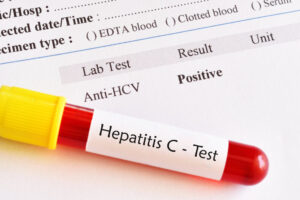
One of the most common ways HIV and liver health intersect is through hepatitis C. Because both viruses can be transmitted through blood exposure, individuals living with HIV may also be screened for hepatitis C as part of routine care. Identifying co-infection early allows for more informed decision-making and better long-term health planning.
Hepatitis C directly affects the liver, and when combined with HIV, it can influence how liver disease progresses. This does not mean that complications are inevitable, but it does highlight the importance of monitoring and coordinated care.
For individuals who want a deeper understanding of hepatitis C and how it affects the body, the Hepatitis C (HCV) resource provides helpful educational information.
When HIV and hepatitis C occur together, providers take a comprehensive approach that considers both conditions at the same time. This approach helps ensure that decisions about testing, monitoring, and treatment are aligned and supportive of overall health.
Why Coordinated Care Matters
When managing HIV and liver disease together, coordination becomes one of the most important aspects of care. Rather than treating each condition separately, healthcare providers develop a unified plan that takes both into account.
Coordinated care helps ensure that medications work well together, monitoring schedules are aligned, and health decisions are made with a full understanding of the patient’s condition. This approach reduces confusion and allows patients to focus on one clear plan instead of multiple disconnected steps.
Providers such as Dr. Tony Walko and Dr. Rich Minuski often emphasize the importance of looking at the whole person rather than isolated conditions. By understanding how HIV and liver health interact, they can guide patients through a more streamlined and supportive care experience.
Educational discussions about HIV care and testing often highlight the importance of regular monitoring and comprehensive evaluation. These same principles apply when liver health is part of the conversation, reinforcing the value of a coordinated approach.
Monitoring HIV and Liver Function
Ongoing monitoring is an essential part of managing both HIV and liver health. Regular testing allows healthcare providers to track how each condition is behaving over time and to make informed decisions based on accurate, up-to-date information. Rather than relying on symptoms alone, monitoring provides measurable data that reflects what is happening inside the body.
For HIV, monitoring typically includes viral load testing and CD4 cell counts. Viral load measures how much of the virus is present in the bloodstream, while CD4 counts help assess the strength of the immune system. These numbers help providers understand how well the condition is being managed and whether any adjustments may be needed.
Liver health is monitored through blood tests that measure liver enzymes and overall liver function. Elevated enzyme levels can indicate inflammation or stress on the liver, while stable values often suggest that the liver is functioning well. In some cases, imaging studies or additional lab work may be recommended to provide a more detailed assessment.
Tracking these values over time allows providers to identify trends rather than focusing on a single result. This approach helps ensure that any changes are addressed early and that both HIV and liver health remain stable. For patients, understanding the purpose of these tests can make routine monitoring feel more meaningful and less intimidating.
Managing Both Conditions Together
Managing HIV and liver disease requires a thoughtful approach that considers how treatments, lifestyle factors, and overall health interact. Rather than focusing on one condition at a time, providers work to create a balanced plan that supports both immune function and liver health.
Medication management is one of the most important aspects of this process. Because many medications are processed through the liver, providers carefully select treatment regimens that are compatible with each other. This helps reduce the risk of unwanted interactions and ensures that medications remain effective.
Lifestyle considerations may also be discussed during appointments. Supporting liver health through balanced nutrition, moderate alcohol use, and regular follow-up care can be part of an overall health plan. These discussions are personalized and based on each individual’s health history and needs.
Patients are encouraged to stay engaged in their care by attending follow-up appointments and communicating openly with their providers. When patients understand how their treatment plan is structured, they are better able to participate in decisions and feel more confident about their care.
Common Considerations for Co-Infection
When HIV and liver conditions are present together, there are several factors that providers and patients may consider as part of ongoing care. These considerations help ensure that both conditions are managed effectively and that the overall care plan remains consistent.
- Keeping regular appointments to monitor both HIV and liver function
- Reviewing medications regularly to ensure compatibility
- Tracking lab results and understanding what changes may indicate
- Maintaining open communication about symptoms or concerns
- Staying informed about how each condition may influence the other
These points are not meant to overwhelm but to provide a structured framework for managing co-infection. By focusing on consistency and communication, patients can navigate their care with greater clarity.
Addressing Common Concerns
It is natural to have concerns when learning about the connection between HIV and liver health. Some individuals worry that having both conditions automatically leads to severe complications, while others may feel uncertain about how treatment plans will be managed.
One common misconception is that co-infection always results in rapid health decline. In reality, advances in medical care have made it possible to manage both HIV and liver conditions effectively with proper monitoring and coordination. Many individuals are able to maintain stable health with consistent follow-up and appropriate care plans.
Another concern involves medication interactions. While it is true that certain medications require careful selection, healthcare providers are trained to manage these considerations. Regular monitoring helps ensure that treatments remain safe and effective over time.
Patients may also feel uncertain about interpreting lab results. Understanding what numbers mean and how they change over time can reduce anxiety. Providers often take time to explain these results in a clear and practical way so that patients feel more confident reviewing their health information.
The Role of Patient Education
Education plays a central role in managing HIV and liver disease. When patients understand how their conditions interact, they are better equipped to participate in their care and make informed decisions.
Learning about lab tests, medication effects, and monitoring schedules can help reduce uncertainty. Patients who feel informed are more likely to stay engaged with their care and communicate openly with their providers. This engagement supports better long-term health outcomes.
Providers such as Dr. Tony Walko and Dr. Rich Minuski often focus on explaining complex medical information in a way that is easy to understand. By breaking down technical details into practical concepts, they help patients build confidence in managing their health.
Education also helps patients recognize when to ask questions. Understanding what is typical and what may require further discussion allows individuals to stay proactive without feeling overwhelmed.
A Unified Approach to Long-Term Health
When conditions overlap, one coordinated plan can simplify everything. Managing HIV and liver health together requires a comprehensive approach that considers the full picture of a patient’s well-being. By aligning monitoring, treatment, and communication, providers create a plan that supports both conditions effectively.
Understanding HIV and liver disease can make complex health information feel more manageable. At Healthcare Unity Group (HUG), providers such as Dr. Tony Walko and Dr. Rich Minuski focus on helping patients in Melbourne, FL, Kearny, NJ, and those accessing telehealth services see how different aspects of their health are connected.
With regular monitoring, clear communication, and a strong foundation of knowledge, managing co-infection becomes a structured and supportive process. Patients who understand how their care plan works are better prepared to stay engaged and navigate their health journey over time.
Sources
Ghany, M. G., Morgan, T. R. (2020). Hepatitis C Guidance 2019 Update. Hepatology.
Rockstroh, J. K. (2018). Influence of Viral Hepatitis on HIV Infection. Journal of Hepatology.
World Health Organization (2022). Guidelines for the Screening, Care and Treatment of Persons with Chronic Hepatitis C Infection. Journal of Hepatology.