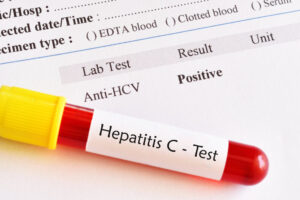

Hepatitis C is often described as a “silent” infection because it progresses slowly and quietly inside the body. Many Floridians living with the virus do not notice symptoms until significant liver damage has occurred. At Healthcare Unity Group (HUG) in Melbourne, individuals frequently report that they were unaware of how extensively the virus can affect the liver if left untreated. Understanding how Hepatitis C damages the liver helps people make informed choices, recognize when to seek evaluation, and take meaningful steps toward long-term wellness.
This blog explores how Hepatitis C affects the liver, the stages of progression, what complications can develop over time, and why early awareness is so important for individuals across Florida.
How Hepatitis C Triggers Liver Inflammation
Once Hepatitis C enters the bloodstream, its main target becomes the liver—one of the body’s most vital organs. The liver filters toxins, processes nutrients, supports metabolism, helps regulate hormones, and plays a key role in immune function. When the virus reaches liver cells, it begins to replicate. The body’s immune system notices this activity and responds by sending inflammatory cells to fight the infection.
This immune response creates chronic inflammation. While inflammation is meant to help protect the body, the ongoing, long-term nature of this inflammation slowly damages healthy liver tissue. Over time, this repeated injury can lead to scarring, changes in liver structure, and reduced liver function.
For individuals who want to understand early symptoms that signal liver involvement, the educational resource on signs and symptoms of Hepatitis C can help identify patterns that are important to monitor.
The Stages of Liver Damage in Hepatitis C
Liver damage caused by Hepatitis C occurs gradually. This progression can take years or even decades, depending on overall health, lifestyle, and other medical factors. The stages typically include:
• Inflammation, fibrosis, cirrhosis, and potential liver failure
Each stage represents a deepening level of liver involvement. Inflammation occurs first, as the immune system responds to the virus. Fibrosis develops when scar tissue forms in damaged areas. Cirrhosis occurs when scarring becomes widespread and begins to alter the liver’s structure and function. In severe cases, the liver may become unable to perform essential tasks, leading to significant complications.
Understanding these stages helps individuals anticipate what testing and monitoring they may need. It also helps families and caregivers support loved ones with compassion and awareness.
How Fibrosis Develops
Fibrosis is one of the earliest signs that the liver is experiencing chronic stress. It occurs when healthy liver cells are repeatedly injured, prompting the body to produce scar tissue. While small amounts of scarring are natural during healing, long-term infection causes scarring to accumulate.
Fibrosis itself may not cause noticeable symptoms. Many Floridians do not learn they have fibrosis until they undergo imaging or bloodwork for unrelated reasons. As fibrosis progresses, liver flexibility decreases, circulation becomes more restricted, and overall function begins to decline.
The educational Hepatitis C in Florida overview offers insight into how these stages of damage affect community health across the state.
Cirrhosis: When Damage Becomes Advanced
Cirrhosis is an advanced stage of liver scarring in which the tissue becomes permanently hardened and the liver loses much of its ability to function. Symptoms may include a swollen abdomen, fatigue, easy bruising, or yellowing of the skin and eyes. However, some people do not show obvious symptoms until cirrhosis is quite advanced.
Cirrhosis can lead to serious complications such as:
• Difficulty processing toxins
• Blocked blood flow through the liver
• Increased pressure in blood vessels
• Fluid buildup in the abdomen
• Increased bleeding risk
In some cases, cirrhosis may progress to liver failure, which requires intensive medical support. Cirrhosis also increases the risk of developing liver cancer.
Learning how cirrhosis develops helps individuals recognize the importance of regular monitoring and early intervention. Many Florida residents feel more empowered once they understand that cirrhosis develops over many years—and that awareness can help prevent it or detect it early.
How Lifestyle Choices Affect Liver Damage
While Hepatitis C itself causes inflammation and scarring, lifestyle habits can accelerate or slow liver damage. Alcohol, for example, significantly increases the rate at which fibrosis develops. Smoking, poor diet, and unmanaged medical conditions may also contribute.
Conversely, maintaining a healthy lifestyle can help support liver function. This does not reverse existing damage but can minimize additional strain. Residents wanting support in building healthier routines may find guidance in the Living with Hepatitis C guide.
Small changes can make meaningful differences, including staying hydrated, choosing nutrient-rich foods, getting adequate rest, and managing stress. These habits help the liver perform its essential tasks more efficiently.
Why Many People Don’t Recognize Damage Until Later
One of the most challenging aspects of Hepatitis C is that liver damage often develops quietly. Symptoms may be mild or vague, such as fatigue, digestive discomfort, or changes in appetite. These can easily be mistaken for everyday issues, especially in busy households or physically demanding workplaces.
In Florida, where outdoor labor, chronic dehydration, and heat exposure are common, early symptoms are frequently misinterpreted as effects of weather or long work hours. This reinforces the importance of screening, especially for individuals with past exposures or risk factors.
By learning how the liver becomes damaged over time, Floridians can take steps toward early detection and avoid being caught off guard by later complications.
Supporting Liver Health Through Awareness and Monitoring
Monitoring liver health is essential for anyone with Hepatitis C. This may involve regular blood tests, imaging, or medical evaluations to track the extent of inflammation or scarring. These assessments help individuals stay informed about their current liver function, understand how the virus is affecting them, and make educated decisions about next steps.
Many residents also benefit from support networks. Connecting with others who have lived through similar experiences provides reassurance, reduces isolation, and encourages consistent follow-up care. Community-based resources like the support community for Hepatitis C are valuable tools for education and emotional support.
Moving Toward Long-Term Wellness
Understanding how Hepatitis C damages the liver helps Floridians make informed decisions about their overall health. Recognizing the stages of liver inflammation, fibrosis, and cirrhosis encourages early evaluation and regular monitoring. With education, support, and awareness, individuals can feel more confident navigating their health and planning for long-term well-being.
Healthcare Unity Group (HUG) in Melbourne encourages individuals and families to stay informed and proactive. For more educational resources or to connect with supportive tools, visit hugcares.org. This website provides educational resources for patients of Healthcare Unity Group (hugcares.org).
Sources
Friedman, S. (2003). Liver fibrosis—from bench to bedside. Journal of Hepatology.
Bataller, R., & Brenner, D. (2005). Liver fibrosis and inflammation. Journal of Clinical Investigation.
Westbrook, R. (2014). Natural history of Hepatitis C. Clinical Liver Disease.