
The simplest way to think about harm reduction is to imagine that you had a loved one in a genuinely difficult place: injecting drugs that might be contaminated, having sex without condoms or communication, unvaccinated against hep B and unsure about partners’ hep C or HIV status, at serious risk of arrest, violence, even a fatal overdose. Telling them to make better choices is not going to fix any of that today. So what would you actually want for them this morning?
The healthiest options possible under the circumstances. Sterile syringes, to at least keep blood out of their bloodstream. Fentanyl test strips, clean water, a safe place to use. Naloxone on hand, with the people around them knowing how to spot an overdose and use it. A clinic known to be nonjudgmental, ideally with free condoms, hep A and B vaccines, HIV PrEP, and hep C treatment even for people who are not ready to stop using. Those practical things are the heart of harm reduction. For Healthcare Unity Group (HUG), which works with individuals in Melbourne, FL, Kearny, NJ, and through telehealth, they are also a way to keep people alive and connected to care in the meantime.
Even one change can matter. Using new equipment, getting tested, carrying overdose-reversal medication, covering an open wound, or speaking honestly with a healthcare provider may lower immediate risks and create a path toward longer-term care.
What Does Harm Reduction Mean?
Harm reduction is a public health approach that focuses on reducing the negative effects associated with certain behaviors. It is based on the understanding that people have different circumstances, needs, and levels of readiness for change.
Rather than framing healthcare as an all-or-nothing decision, harm reduction asks a more practical question: what can make this situation safer today?
For one person, that may mean never sharing injection supplies. For another, it may involve using condoms more consistently, beginning PrEP, completing hepatitis testing, or learning how to respond to an overdose. Someone else may be ready to explore treatment for substance use but still need immediate strategies that protect them while that process begins.
Harm reduction services may include sterile injection equipment, safe disposal options, HIV and hepatitis testing, vaccinations, wound care, overdose education, naloxone access, and connections to medical or substance use treatment. Comprehensive syringe services programs are designed to connect people with many of these supports while helping reduce HIV, hepatitis C, and other injection-related complications.
The approach respects patient autonomy while still communicating clearly about risk. People receive accurate information and support so they can make informed decisions without being shamed, dismissed, or excluded from healthcare.
Why Judgment Can Become a Health Barrier
Fear of judgment prevents many people from discussing substance use, sexual behavior, housing instability, or other sensitive concerns with healthcare providers. When important information is withheld, patients may miss opportunities for testing, vaccination, preventive medication, or treatment.
A person who expects criticism may delay care after sharing injection equipment, avoid asking about HIV prevention, or ignore a wound until it becomes more serious. Someone who previously had a negative experience in a medical setting may assume that future providers will respond in the same way.
Harm reduction aims to replace that fear with open communication. A healthcare provider can explain risks honestly without treating the patient as irresponsible or undeserving of care. The goal is to gather enough information to recommend appropriate services and help the patient take the safest available next step.
Respectful conversations may also encourage people to return for follow-up. A single nonjudgmental appointment can lead to testing, treatment, vaccination, medication support, or a future decision to pursue substance use care.
Preventing Bloodborne Infection During Injection
Sharing needles and syringes can transmit HIV, hepatitis C, hepatitis B, and other infections when blood remains on or inside the equipment. The risk is not limited to the needle itself. Cookers, cottons, filters, rinse water, and other preparation supplies may also become contaminated with blood.
The safest risk-reduction strategy for someone who injects drugs is to use a new, sterile syringe and new preparation equipment every time. Supplies should not be shared, reused, or passed between people. Used needles should be placed in an appropriate sharps container rather than left loose or discarded in public areas.
Syringe services programs may provide sterile supplies, disposal services, infectious disease testing, vaccinations, overdose education, and connections to treatment. The CDC describes these community-based programs as an important part of reducing HIV, hepatitis C, and other health complications associated with injection drug use.
When sterile equipment is not immediately available, a healthcare or harm reduction professional may be able to discuss interim safety measures. However, cleaning previously used equipment does not make it equivalent to a new, sterile syringe and may not eliminate the possibility of infection.
Hepatitis C and Shared Equipment
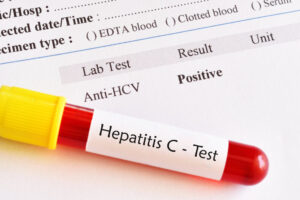
Hepatitis C spreads primarily through contact with infected blood. Because very small amounts of blood may remain on injection supplies, sharing equipment can create a transmission risk even when no blood is clearly visible.
No vaccine prevents hepatitis C. Avoiding shared needles, syringes, and drug preparation equipment is therefore one of the most important prevention measures for people who inject drugs. Testing is also essential because many people with hepatitis C have no symptoms and may not know they have acquired the virus.
Individuals learning more about Hepatitis C (HCV) should understand that infection is treatable and often curable. Ongoing substance use does not make someone undeserving of testing or treatment. Receiving care can protect the individual’s liver health while also reducing opportunities for the virus to be passed to someone else.
People who have completed hepatitis C treatment can become infected again after a new exposure. Continued access to sterile equipment, periodic testing, and honest conversations about current risk remain important after cure.
Reducing HIV Risk
Using new, sterile injection equipment each time is also an important way to reduce HIV transmission. Blood left in a syringe or on shared preparation supplies may carry the virus from one person to another.
HIV prevention may include several strategies used together. Depending on the person’s circumstances, these can include routine testing, condoms, sterile injection supplies, PrEP before potential exposure, or PEP after a recent emergency exposure.
PrEP is an ongoing medication option for HIV-negative individuals who may experience recurring exposure risk. PEP is a 28-day medication course that must begin within 72 hours after a possible exposure and should be started as quickly as possible.
No single prevention plan is appropriate for everyone. A healthcare provider can help someone consider how frequently exposures may occur, which prevention methods are realistic, and whether medication-based prevention should be included.
Safer Sexual Health Practices
Harm reduction also applies to sexual health. People may not use condoms during every encounter, may be uncertain about a partner’s status, or may find it difficult to discuss testing before sex. A nonjudgmental approach focuses on helping them reduce risk rather than withholding care because their choices are not perfect.
Using condoms and barriers correctly can lower the likelihood of many sexually transmitted infections. Regular testing helps identify infections that may not cause symptoms, while prompt treatment can reduce complications and further transmission.
People can also discuss STI testing and treatment based on their partners, practices, symptoms, and previous results. Testing recommendations may involve blood, urine, or swab samples from different body sites depending on the type of exposure.
Sexual health discussions should include HIV prevention when appropriate. PrEP, PEP, condoms, regular testing, and effective HIV treatment all play distinct roles. Understanding the available options allows patients to choose a combination that fits their lives rather than depending on a single strategy.
Overdose Prevention Is Part of Harm Reduction
Harm reduction also includes practical strategies that reduce the likelihood of a fatal overdose. People who use opioids may benefit from carrying naloxone, avoiding use alone, recognizing changes in the drug supply, and knowing how to respond when someone is unresponsive or breathing abnormally.
Naloxone can temporarily reverse an opioid overdose and create time for emergency medical care to arrive. Friends, family members, partners, and others in the community can also learn how to administer it. Because the effects of naloxone may wear off before the opioid has left the body, emergency services should still be contacted after it is used.
Overdose prevention does not replace treatment for substance use. Instead, it helps keep people alive and connected to healthcare so that counseling, medication-assisted treatment, testing, and other forms of support remain available.
Prevention Plans Can Change Over Time
Harm reduction is not based on the idea that one strategy will remove every risk. It recognizes that safer choices can build on one another as a person’s needs, circumstances, and readiness for change evolve.
Someone who experiences recurring HIV exposure risk may benefit from discussing PrEP services as part of a broader prevention plan. Others may begin with regular testing, sterile supplies, condoms, naloxone access, or treatment for an existing infection.
These steps do not need to happen all at once. Using new equipment, getting tested, carrying naloxone, beginning PrEP, or seeking care for a wound can each provide meaningful protection.
Small Changes Can Lower Risk
Harm reduction is built on a recognition that people do not have to earn the right to survive their circumstances. Meeting them where they are, without an ulterior motive, can keep them safer in the meantime and make it easier to reach out for more help when they are ready.
Healthcare Unity Group has these conversations every day with patients across the Florida and New Jersey regions and in telehealth visits. The questions are intensely practical: how can you use more safely right now? What does a lower-risk choice look like for you today? Do you have naloxone and know how to use it? Have you been vaccinated for hep A and B? Those small things add up, and they add up fastest when people feel respected enough to tell the truth. Harm reduction, it turns out, is a way of earning trust by extending it.
Sources
Centers for Disease Control and Prevention. Syringe Services Programs.
Centers for Disease Control and Prevention. Hepatitis C Prevention.
Substance Abuse and Mental Health Services Administration. Harm Reduction.