Many infectious diseases can remain silent for months or even years. A person may feel completely healthy while an infection is still affecting the body or creating opportunities for transmission. That is why screening plays such an important role in preventive healthcare: it can identify a condition before symptoms appear and before complications become more difficult to manage.
At Healthcare Unity Group (HUG), patients in Melbourne, FL, Kearny, NJ, and those using telehealth can receive guidance on when testing may be appropriate and what their results mean for the next steps in care. Early detection can be especially important for conditions such as hepatitis C, HIV, and certain sexually transmitted infections, where timely treatment or prevention can significantly improve long-term outcomes.
Knowing about an infection earlier does not simply provide a diagnosis. It gives patients more time to understand their options, begin treatment when needed, reduce the risk of complications, and make informed decisions about protecting their health and the health of others.
Why Waiting for Symptoms Can Be Risky
One of the biggest challenges with many infectious diseases is that symptoms are not always an accurate indicator of what is happening inside the body.
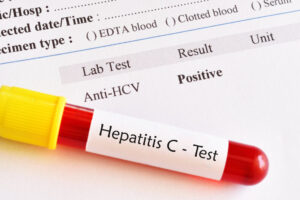
Hepatitis C, for example, may cause few or no noticeable symptoms for years. During that time, ongoing inflammation can gradually damage the liver. Some people do not learn they have hepatitis C until routine blood work shows abnormal liver results or advanced scarring has already developed.
Individuals learning more about Hepatitis C (HCV) may be surprised to discover how often infection can exist without obvious warning signs. This is one reason screening recommendations are based on age, exposure history, and other risk factors rather than symptoms alone.
HIV can also remain unnoticed during earlier stages, particularly after initial symptoms resolve or when no recognizable symptoms occur. Certain bacterial STIs may similarly cause mild symptoms or none at all.
Waiting until something feels wrong may therefore delay diagnosis. Screening offers a way to identify infections earlier, when patients may have more options for treatment and prevention.
Earlier Diagnosis Can Mean Earlier Treatment
One of the clearest benefits of early detection is the ability to begin appropriate care sooner.
Modern hepatitis C treatment can cure the vast majority of infections with a relatively short course of oral antiviral medication. Starting treatment before significant liver damage develops can help prevent years of ongoing inflammation and reduce the likelihood of complications such as cirrhosis.
For HIV, early diagnosis allows patients to begin antiretroviral therapy sooner. Effective treatment can protect the immune system, support long-term health, and reduce the amount of HIV in the blood to an undetectable level.
The same principle applies to many sexually transmitted infections. Identifying an infection before complications develop allows treatment to begin promptly and may reduce the risk of passing it to others.
Early detection does not guarantee that every health problem will be simple to treat, but it gives patients and providers more information and more time to make informed decisions.
Screening Can Prevent Long-Term Complications
Some infections become more difficult to manage when they remain untreated for long periods.
Chronic hepatitis C can lead to progressive liver scarring, cirrhosis, liver failure, and an increased risk of liver cancer. HIV that remains untreated can gradually weaken the immune system and increase vulnerability to serious infections and other medical conditions. Certain untreated STIs can contribute to pelvic inflammatory disease, fertility problems, chronic pain, or other complications.
Screening can interrupt this progression by identifying an infection before significant damage occurs.
This is why preventive healthcare often emphasizes testing even when a patient feels well. The goal is not simply to find disease. It is to identify health concerns at a point when intervention may prevent more serious problems later.
Early Detection Can Protect Other People
Testing also plays an important role in reducing transmission.
Someone who does not know they have an infection may unknowingly pass it to another person. Once a diagnosis is made, patients can receive information about how the infection is transmitted and what steps may reduce the likelihood of transmission.
For HIV, effective treatment can lower the viral load to an undetectable level. People who maintain an undetectable viral load do not sexually transmit HIV, a principle commonly known as U=U, or Undetectable Equals Untransmittable.
For bacterial STIs, diagnosis allows treatment to begin and allows patients to notify partners who may also benefit from testing.
Earlier awareness helps turn prevention into an informed process rather than one based on assumptions about symptoms or infection status.
Screening Creates More Prevention Options
A negative test result can also be useful because it creates an opportunity to discuss prevention before an infection occurs.
Someone who tests negative for HIV but has ongoing exposure risk may benefit from PrEP. A person who experiences a recent potential HIV exposure may be eligible for PEP if treatment begins within the appropriate time window. Patients with repeated bacterial STIs may also have prevention options such as DoxyPEP depending on their individual circumstances.
Screening therefore does more than identify existing infections. It can reveal where preventive strategies may be useful and help patients build a plan that reflects their current risks and health goals.
Knowing your status creates choices. Without testing, those choices may never become available.
Regular Screening Supports Ongoing Care
Screening is not always a one-time event. Some people benefit from repeat testing because their exposure risk changes over time or because certain infections can occur again after treatment.
Someone who has been cured of hepatitis C, for example, can become infected again after a new exposure. A previous negative HIV test also does not protect against future infection. Regular testing allows healthcare decisions to reflect a person’s current circumstances rather than an outdated result.
Patients who receive STI testing and treatment may have testing intervals based on their sexual practices, number of partners, previous infections, symptoms, and other individual factors. A healthcare provider can help determine which tests are appropriate and how often they should be repeated.
Consistent screening also makes it easier to compare current results with previous ones. This can help providers recognize changes sooner and respond before a condition has more time to progress.
Testing Can Reduce Uncertainty
Not knowing can create its own kind of stress. People may worry after a possible exposure, avoid relationships, or repeatedly search for symptoms that cannot reliably confirm whether an infection is present.
Testing replaces much of that uncertainty with information.
A negative result may provide reassurance while also creating an opportunity to review prevention. A positive result gives the healthcare team a clear starting point for treatment, additional testing, and follow-up.
Some people delay screening because they are afraid of receiving bad news. However, avoiding the test does not change whether an infection is present. It only delays the opportunity to act on the information.
The earlier a condition is identified, the sooner patients can begin making informed decisions about their health.
Preventive Care Works Best Without Judgment
Concerns about stigma can be a major barrier to screening, particularly for HIV, hepatitis C, and sexually transmitted infections.
Patients may worry that a provider will judge their sexual history, substance use, previous infections, or relationships. When these concerns discourage honest conversations, opportunities for appropriate testing and prevention may be missed.
A respectful healthcare environment allows patients to discuss possible exposures without feeling that they need to justify their choices. Accurate information helps providers recommend the right testing rather than making assumptions.
For individuals who may have ongoing HIV exposure risk, PrEP services may be discussed alongside routine screening. Connecting prevention with regular care helps patients move beyond simply reacting to possible exposures and toward a more proactive health strategy.
Understanding Results Is Part of Early Detection
Getting tested is only one part of the process. Patients should also understand what their results mean and whether additional testing is required.
Some screening tests cannot provide a complete diagnosis on their own. A reactive hepatitis C antibody test, for example, requires additional testing to determine whether the virus is currently present. HIV testing may also need to be interpreted according to the type of test and how recently an exposure occurred.
Patients should ask when results will be available, whether follow-up testing is needed, and when they should return for repeat screening.
Clear communication can prevent misunderstandings and help patients avoid assuming that one result answers every question.
The Earlier You Know, the More Options You Have
The value of early detection is not limited to finding an infection sooner. It can change what happens next. Earlier treatment may help prevent complications, timely prevention may reduce future risk, and knowing one’s status can make decisions about partners, medications, and follow-up much clearer.
Healthcare Unity Group (HUG) supports testing and infectious disease care for patients in Melbourne, FL, Kearny, NJ, and through telehealth, and can help patients understand which screenings are appropriate and what the results mean without relying on symptoms alone.
For many infections, feeling healthy does not necessarily mean there is nothing to find. Screening creates an opportunity to act before a condition has had more time to progress—and in preventive healthcare, that earlier opportunity can make a meaningful difference.
Sources
Centers for Disease Control and Prevention. Hepatitis C Screening and Diagnosis.
Centers for Disease Control and Prevention. HIV Testing.
Centers for Disease Control and Prevention. Sexually Transmitted Infections Treatment Guidelines.