
If someone thinks they might need post-exposure prophylaxis, the single most important step is not to wonder about it. Searching, fretting, counting hours, guessing at odds: none of that comes close to the value of being evaluated as soon as possible by someone who understands the protocol. PEP has to start within 72 hours of exposure. The sooner the better, and better means both effective and easier to act on.
What can get lost in the whirlwind is how much a provider can do with even a sliver of that window. The first dose does not need to wait for every lab result. The other person’s status does not need to be certain. Assessing risk is not about passing judgment on choices. For Dr. Tony Walko and Dr. Rich Minuski at Healthcare Unity Group (HUG), which works with patients in Melbourne, FL, Kearny, NJ, and via telehealth, the guiding question is straightforward: what would calm your mind and protect your health a month from now?
Because every hour matters, a possible exposure should be treated as an urgent healthcare concern rather than something to address at a later routine appointment.
What Is HIV PEP?
PEP stands for post-exposure prophylaxis. “Post-exposure” means the medication is taken after a possible contact with HIV, while “prophylaxis” refers to treatment intended to prevent an infection from becoming established.
PEP generally involves taking a combination of HIV medications every day for 28 days. These medications work by interfering with the virus during the earliest stages after a potential exposure. Starting the medication promptly gives it the best opportunity to prevent HIV from taking hold in the body.
PEP is intended for emergencies. It is different from HIV treatment for someone who has already been diagnosed, and it is also different from pre-exposure prophylaxis, or PrEP, which is used before potential exposure as an ongoing prevention strategy.
Individuals who need immediate guidance can learn more about HIV PEP services and seek an evaluation as soon as possible. The 72-hour limit should be treated as the latest point at which PEP may be started—not as a reason to wait until the third day.
Why the 72-Hour Window Matters
HIV does not become permanently established throughout the body the instant an exposure occurs. There is a limited period during which medication may be able to interrupt the early process of infection. PEP is designed to act during that window.
As more time passes, the opportunity for the medication to prevent infection becomes smaller. This is why healthcare providers emphasize that PEP should be started as soon as possible, ideally within the first several hours after a potential exposure.
Someone who is approaching the 72-hour mark should still seek care immediately. They should not assume it is already too late unless a qualified healthcare provider has evaluated the timing and circumstances. However, once more than 72 hours have passed, PEP is generally no longer recommended because it is unlikely to be effective.
The urgency can feel stressful, but patients do not need to arrive with every detail resolved. A provider can ask focused questions, assess the situation, and explain the next steps. The patient’s responsibility is simply to seek help quickly and provide the most accurate information available.
Situations in Which PEP May Be Considered
PEP may be considered when a person who is HIV-negative, or does not know their current HIV status, has experienced a possible exposure within the previous 72 hours.
Situations that may prompt an urgent PEP evaluation can include:
- Condomless vaginal or anal sex with someone whose HIV status or viral suppression is unknown
- A condom breaking or slipping during sex
- Sharing needles, syringes, or other injection equipment
- Sexual assault
- Accidental exposure to blood through a needlestick or certain workplace incidents
- Contact between potentially infectious body fluids and broken skin or mucous membranes
Not every exposure carries the same level of risk. The type of contact, body fluid involved, route of exposure, HIV status of the other person, and whether that person has a sustained undetectable viral load may all affect the assessment.
Patients should not avoid seeking care because they are embarrassed or worried that the exposure will be judged. PEP evaluations are medical conversations focused on prevention, safety, and determining whether treatment is appropriate.
What to Expect During an Urgent PEP Evaluation
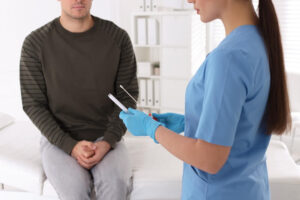
A PEP evaluation begins with a discussion of what happened and when it occurred. Patients may be asked about the type of exposure, the body fluids involved, whether a condom or other barrier was used, and any available information about the other person’s HIV status.
The provider may also review the patient’s current medications, allergies, kidney and liver health, pregnancy status when relevant, and previous use of PEP or PrEP. These details help guide medication selection and identify whether additional monitoring may be appropriate.
Initial testing commonly includes an HIV test to evaluate the patient’s current status. Depending on the circumstances, the provider may also recommend screening for hepatitis B, hepatitis C, pregnancy, kidney function, or sexually transmitted infections.
Testing should not unnecessarily delay the first dose when a meaningful exposure occurred within the treatment window. PEP may be started promptly while certain laboratory results are pending, with the plan adjusted later if new information changes the assessment.
Why an Initial HIV Test Is Still Needed
PEP is intended for people who do not currently have HIV. An HIV test is therefore an important part of the initial evaluation, but the result cannot determine whether transmission occurred during an exposure that happened only hours or days earlier.
HIV tests have a window period. A test performed immediately after a recent event usually reflects the person’s status before that exposure rather than confirming whether the newest exposure resulted in infection.
This distinction can be confusing. A negative test at the first appointment is reassuring about earlier exposures, but it does not eliminate the need for PEP or future testing when the recent event presents a meaningful risk.
Follow-up HIV testing is necessary after the medication course so the healthcare team can evaluate the patient at the recommended intervals. Starting PEP, taking every dose, and completing follow-up testing are all parts of the same prevention process.
Taking PEP for the Full 28 Days
When PEP is prescribed, the medication must usually be taken every day for 28 days. Consistency is essential. Missing doses or stopping early may reduce the medication’s ability to prevent HIV infection.
Patients should take each dose according to the instructions provided by their healthcare provider. Choosing a regular time of day, setting reminders, or pairing the medication with an established routine can make adherence easier.
A patient should not stop taking PEP simply because the other person later says they do not have HIV. Instead, that information should be shared with the prescribing provider, who can determine whether the medication is still necessary. PEP may sometimes be discontinued when reliable testing confirms that the source does not have HIV, but that decision should be made with medical guidance.
If a dose is missed, the patient should contact the healthcare team or follow the instructions provided with the prescription. Taking extra medication without guidance is not recommended.
The standard PEP course lasts 28 days, and current CDC guidance emphasizes beginning the first dose as soon as possible, ideally within 24 hours and no later than 72 hours after exposure.
STI and Hepatitis Testing After an Exposure
A possible HIV exposure may also create a reason to consider testing for other infections. PEP only addresses HIV. It does not prevent gonorrhea, chlamydia, syphilis, hepatitis B, hepatitis C, or other sexually transmitted or bloodborne infections.
The recommended tests depend on the nature of the exposure, the body areas involved, vaccination history, symptoms, and how much time has passed. Some tests may be performed during the first visit, while others may need to be repeated later because different infections have different testing windows.
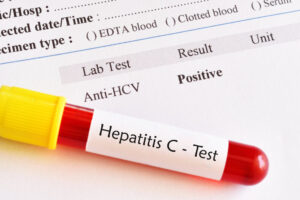
Patients may benefit from coordinated STI testing and treatment during or after the PEP evaluation. If hepatitis C exposure is also a concern, the provider may recommend initial and follow-up blood testing based on the circumstances.
Testing should be presented without judgment. The goal is to identify any health needs early, provide treatment when appropriate, and help the patient make informed prevention decisions moving forward.
What to Do After the 72-Hour Window
Someone who realizes that a possible exposure occurred more than 72 hours ago should still contact a healthcare provider. Although PEP is generally not recommended after that point because it is unlikely to prevent infection, medical follow-up remains important.
The provider can recommend an HIV testing schedule, discuss symptoms that should prompt evaluation, and screen for other infections when appropriate. A negative test immediately after the exposure may not be conclusive because HIV tests have window periods that vary by test type.
Patients should avoid assuming that missing the PEP window means HIV transmission definitely occurred. It does not. It simply means that the emergency prevention medication is no longer expected to provide the same benefit.
Ongoing testing and professional guidance can replace uncertainty with a clear follow-up plan.
When PrEP May Be the Better Long-Term Option
PEP is designed for isolated emergencies, not repeated use as the primary HIV prevention strategy. Someone who has recurring potential exposures may benefit from pre-exposure prophylaxis, or PrEP.
PrEP is taken before exposure and is intended to provide ongoing protection when used as prescribed. It can be considered after the 28-day PEP course for individuals who expect that future exposure may remain possible.
Patients can discuss PrEP services during a follow-up visit. The healthcare provider can explain available options, required testing, medication schedules, and how PrEP may fit alongside condoms, regular HIV testing, and other prevention strategies.
Moving from PEP to PrEP does not mean someone failed to prevent risk. It means the prevention plan is being adjusted to match the person’s ongoing needs. A proactive strategy can reduce the stress of repeatedly facing emergency decisions after potential exposures.
Confidential and Respectful PEP Care
Privacy concerns sometimes prevent people from seeking PEP promptly. Patients may worry about explaining the exposure, discussing sexual activity, or being judged for substance use.
A PEP consultation should be respectful, factual, and focused on health. Accurate details help the provider assess risk and select appropriate care, but patients do not need to defend or justify what happened.
Confidentiality rules generally protect private health information, although specific billing, insurance, and legal considerations may vary. Patients who are concerned about privacy can ask how records, test results, prescriptions, and insurance communications are handled.
Seeking urgent prevention is a responsible healthcare decision. The faster someone reaches an appropriate provider, the more options may remain available.
Act Quickly After a Possible Exposure
Seeking PEP is never convenient. Something went wrong, plans fell apart, the future feels shaky. The reward for reaching out anyway is that a dose in time may be able to reset the clock on that one moment. But only that moment: PEP is strong but narrow, a shield against HIV but not other sexually transmitted or bloodborne infections. That’s why testing matters too, because the exposure happened, even if HIV never gains a foothold.
PEP is also not the right tool for ongoing risk. If the 28 days are a relief and the exposure feels like a one-time thing, then the benefit may begin and end there. But if it feels like one near miss out of many, or if the idea of being evaluated for PEP again sounds unbearable, then the providers at Healthcare Unity Group, serving patients across the Florida and New Jersey areas as well as through telehealth, are always ready to talk about PrEP, the proactive cousin that can provide some peace of mind before exposure happens.
Sources
Centers for Disease Control and Prevention. Antiretroviral Postexposure Prophylaxis After Sexual, Injection Drug Use, or Other Nonoccupational Exposure to HIV: CDC Recommendations, United States, 2025.
Centers for Disease Control and Prevention. Clinical Guidance for PEP.
HIV.gov. Post-Exposure Prophylaxis (PEP).