
The clock matters in healthcare. Pregnancy, strep throat, heart attack, stroke: for certain conditions, minutes can make all the difference. HIV falls quietly into the same category. A rapid screening result may not feel as urgent as an ambulance, but it can turn the first clinic visit from a cliffhanger into a conversation, and that shift often matters more than people expect.
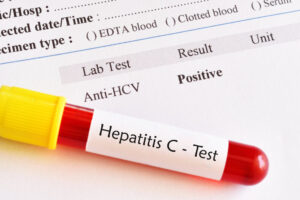
A reactive hepatitis C antibody test is a perfect example. Without a rapid option, a patient could wait days for the news, then wait again to discuss what it actually means: not a diagnosis, but a reason for a second test to check for active virus. With a rapid result, that context happens up front. Healthcare Unity Group (HUG), which serves patients in Melbourne, FL, Kearny, NJ, and through telehealth, has seen how much smoother the process becomes when people leave that first appointment understanding the two-step rhythm of hep C testing.
What Is Rapid Hepatitis Testing?
Rapid hepatitis testing generally refers to point-of-care screening that can be performed and interpreted while a patient is still at the clinic. In the context of hepatitis C, a rapid test usually checks the blood for antibodies that the immune system produces after exposure to the hepatitis C virus.
The sample may be collected through a finger stick or another blood collection method, depending on the test being used and the clinical setting. The testing process itself is typically brief, and CDC patient guidance notes that rapid point-of-care hepatitis C antibody testing can generally be analyzed in about 30 minutes.
This shorter turnaround time can help reduce the uncertainty associated with waiting several days for an initial screening result. It may also create an opportunity for the patient and provider to discuss the result, possible next steps, and any additional testing before the visit ends.
However, a rapid hepatitis C test is a screening tool. It does not always provide the final answer about whether someone currently has an active hepatitis C infection.
What Happens During the Appointment?
A rapid testing visit usually begins with a conversation about the reason for testing. A healthcare provider may ask whether the patient is seeking routine screening, has experienced a possible recent exposure, has previously received a reactive result, or has another health condition that affects testing recommendations.
Patients may also be asked about prior hepatitis testing, treatment history, medications, and relevant health information. These questions help the provider determine whether a rapid antibody test is the appropriate starting point or whether a different laboratory test should be ordered.
The blood sample used for rapid screening is generally small. When a finger-stick method is used, the fingertip is cleaned and gently punctured to collect a small amount of blood. The sample is then applied to the testing device according to the manufacturer’s instructions.
While the test is processing, patients may have time to ask questions about hepatitis transmission, prevention, follow-up care, and what each possible result could mean. This can make the appointment more informative than simply receiving a laboratory number without context.
Understanding the Hepatitis C Antibody Test
The first step in most hepatitis C screening is an antibody test. Antibodies are proteins made by the immune system in response to an infection. When hepatitis C antibodies are detected, it means the person has been exposed to the virus at some point.
A reactive antibody result does not automatically mean that the virus is still in the body. Some people clear the infection without treatment, while others may have previously completed successful treatment. Antibodies can remain detectable even after the virus is no longer present.
This is why individuals learning about Hepatitis C (HCV) should understand the difference between evidence of previous exposure and confirmation of a current infection. The antibody test answers one question: whether the immune system has encountered hepatitis C. It does not answer the separate question of whether the virus is currently circulating in the blood.
A nonreactive result generally means that no hepatitis C antibodies were detected. However, the timing of the test matters. After a recent exposure, the body may not have produced enough antibodies for the test to detect yet. In those situations, a provider may recommend a different test or repeat testing at a later time.
Why a Reactive Result Requires Another Test
When a rapid hepatitis C antibody test is reactive, the next step is an HCV RNA test. This laboratory test looks directly for genetic material from the hepatitis C virus and determines whether a current infection is present.
CDC guidance describes hepatitis C diagnosis as a two-step process: an antibody test followed by a nucleic acid test for HCV RNA whenever the antibody result is reactive. Without the RNA test, the testing process is considered incomplete because the antibody result alone cannot confirm an active infection.
An HCV RNA result that is detected confirms that the virus is currently present. An undetected RNA result generally means there is no current infection, even though hepatitis C antibodies were found.
Some healthcare settings collect enough blood during the initial appointment to allow the laboratory to perform the RNA test automatically if the antibody screening is reactive. This process, often called reflex testing, can reduce the need for an additional appointment or blood draw. CDC operational guidance supports completing both steps from samples collected during one visit whenever possible because it helps prevent patients from being lost between the initial screening and confirmatory testing.
How Recent Exposure Can Affect the Result
The timing of a hepatitis C test matters because the body does not produce detectable antibodies immediately after exposure. Someone tested soon after a possible exposure may receive a nonreactive antibody result even though an infection is present.
For people who may have been exposed within the previous six months, the CDC recommends discussing HCV RNA testing or follow-up antibody testing with a healthcare provider. RNA may become detectable earlier because the test looks for the virus itself rather than waiting for the immune system to produce antibodies.
Patients should tell the provider when the possible exposure occurred, even if the date is approximate. That information helps determine whether the rapid antibody test is likely to provide a dependable initial result or whether another testing approach would be more appropriate.
A negative rapid result should not be treated as final when the exposure was recent. Follow-up recommendations vary according to the timing of exposure, the type of test performed, the patient’s immune status, and other clinical factors.
What a Nonreactive Result Means
A nonreactive result means the rapid test did not detect hepatitis C antibodies in the blood sample. For someone without a recent exposure or another reason for additional testing, this generally indicates that no further hepatitis C testing is needed at that time.
However, the result should always be interpreted in context. If the patient may have been exposed recently, has symptoms or laboratory findings that raise concern, or has a weakened immune system, the provider may recommend an HCV RNA test despite the nonreactive antibody result.
A nonreactive result also does not create future immunity. A person can still acquire hepatitis C after a negative test if they are later exposed to blood containing the virus. Patients with ongoing exposure risks may therefore need periodic testing rather than a single lifetime test.
The appointment is an appropriate time to discuss practical prevention measures and determine whether any repeat screening schedule should be considered.
What a Reactive Result Means
A reactive rapid antibody result means hepatitis C antibodies were detected. It indicates that the person was exposed to the virus at some point, but it does not establish whether the infection is currently active.
The next step is an HCV RNA test. If RNA is detected, the person has a current hepatitis C infection. If RNA is not detected, there is no current infection, although the antibodies may remain detectable after spontaneous clearance or successful treatment.
Receiving a reactive screening result can be stressful, particularly when patients are not expecting it. It may help to remember that this is not the final diagnostic result. Completing the RNA test is what allows the healthcare team to distinguish a current infection from a previous infection that is no longer present.
Patients should remain connected with the clinic until confirmatory testing has been completed and clearly explained. Leaving the process unfinished may create unnecessary uncertainty or delay care for an active infection.
Who Should Be Tested for Hepatitis C?
Hepatitis C testing is no longer recommended only for people who identify a specific risk factor. Current CDC guidance recommends that all adults age 18 and older receive hepatitis C screening at least once and that pregnant patients be screened during every pregnancy, with limited exceptions in settings where infection is exceptionally uncommon.
Periodic testing may also be appropriate for people with ongoing circumstances that increase the possibility of exposure. A healthcare provider can help determine whether testing should be repeated and how often based on the individual’s health history and current situation.
People may seek testing after a possible blood exposure, because of previous injection drug use, following an abnormal liver test, or simply because they have never been screened. No symptoms are required to justify testing. Many people with hepatitis C do not feel ill, especially during earlier stages of infection.
Testing can also be coordinated with other preventive services. Patients discussing HIV care and testing may benefit from asking whether hepatitis screening is current, particularly when several aspects of infectious disease prevention and monitoring are being reviewed together.
Testing Alongside Broader Preventive Care
A rapid hepatitis test can be part of a broader discussion about infectious disease prevention, sexual health, vaccinations, and routine screening. Combining these conversations may help patients better understand how different services support their overall health.
Hepatitis C is primarily transmitted through blood exposure, while other infections have different transmission patterns. A provider can explain which tests are appropriate rather than assuming one screening covers every possible infection.
For example, patients pursuing STI testing and treatment may ask whether HIV, hepatitis B, or hepatitis C screening should also be considered based on their history. This coordinated approach can reduce missed opportunities for preventive care while ensuring that each test is selected for a specific reason.
The goal is not to overwhelm patients with unnecessary testing. It is to create an informed plan based on age, medical history, possible exposures, pregnancy, current risks, and previous results.
What Happens After a Confirmed Diagnosis?
If HCV RNA is detected, the next stage generally involves an evaluation of the patient’s liver health, medical history, medications, and other factors that may influence treatment planning. The healthcare team may order additional laboratory testing and discuss treatment options.
Modern direct-acting antiviral medications can cure more than 95 percent of hepatitis C cases, and many treatment courses last approximately eight to twelve weeks. The exact regimen and duration depend on the individual clinical situation.
Patients should not assume that a confirmed result means they have already developed severe liver damage. The effects of hepatitis C vary, which is why evaluation and timely linkage to care are important. Testing provides the information needed to determine the appropriate next steps rather than leaving the infection undetected.
Faster Answers With Clear Follow-Through
Antibody, antigen, RNA, window period: the vocabulary of rapid testing can turn a simple visit into a tangle for patients. The solution is not to simplify the science but to adjust the timing, because a two-minute result creates space for a ten-minute explanation that waiting for a phone call rarely matches.
That may be the most underappreciated benefit of these tools: they bring more of the testing experience back into the room where it began. Even an inconclusive result becomes a conversation instead of a mystery. For Dr. Tony Walko and Dr. Rich Minuski at Healthcare Unity Group, which works with patients across Melbourne, FL, Kearny, NJ, and through telehealth, that shift is not about convenience but about clarity. Rapid is not always better, and it is certainly not the last word, but it is almost always easier to understand in person than in pieces.
Sources
Centers for Disease Control and Prevention. “Testing for Hepatitis C.” Updated January 31, 2025.
Centers for Disease Control and Prevention. “Clinical Screening and Diagnosis for Hepatitis C.” Updated January 31, 2025.
American Association for the Study of Liver Diseases and Infectious Diseases Society of America. “HCV Testing and Linkage to Care.” HCV Guidance, updated 2026.