Sexually transmitted infections (STIs) and HIV are two of the most significant public health concerns affecting people today. While they are separate conditions, research has shown a strong connection between the two: having an STI can increase a person’s risk of acquiring or transmitting HIV. Inflammation, sores, and other changes in the body caused by STIs can make it easier for HIV to enter the bloodstream. Understanding this link is essential for protecting your sexual health, preventing infections, and seeking timely care. This blog will explore how STIs and HIV are connected, which infections pose the highest risk, and what steps you can take to stay safe.
In This Blog:
- How HIV and STIs Are Transmitted
- The Biological Link Between STIs and HIV
- Common STIs That Increase HIV Risk
- The Role of Inflammation and Immune Response
- Prevention Strategies: Reducing the Risk of Both STIs and HIV
- Testing, Early Detection, and Treatment
- Living Safely with HIV or STIs
How HIV and STIs Are Transmitted
Both HIV and STIs are primarily spread through sexual contact, but the specifics can vary depending on the infection. HIV is present in blood, semen, vaginal fluids, and breast milk, so it can be transmitted through unprotected vaginal, anal, or oral sex, sharing needles, or from mother to child during childbirth or breastfeeding. STIs, on the other hand, can be caused by bacteria, viruses, or parasites and are often spread through the same sexual activities.
It’s important to remember that having an STI, even one that shows no symptoms, can make it easier for HIV to be transmitted. This is why understanding your sexual health and practicing safe behaviors, such as using condoms and limiting the number of sexual partners, is critical for prevention.
The Biological Link Between STIs and HIV
STIs don’t just coexist with HIV, they can actively increase the risk of infection. When someone has an STI, the body may develop sores, lesions, or inflammation in the genital or anal area. These physical changes create entry points for HIV, making it easier for the virus to reach the bloodstream.
Additionally, the immune system responds to STIs by sending immune cells to the affected area. Ironically, these cells are the very ones HIV targets. As a result, the presence of an untreated STI can significantly raise the likelihood of both acquiring and transmitting HIV.
Understanding this connection highlights why treating STIs promptly and maintaining regular sexual health checkups is not just about managing one infection, it’s about protecting yourself and your partners from multiple risks.
Common STIs That Increase HIV Risk
Certain STIs are especially important to be aware of because they can significantly increase the risk of HIV transmission. Some of the most common include:
- Chlamydia and Gonorrhea: These bacterial infections often cause inflammation in the genital tract, even when there are no obvious symptoms. The inflamed tissue makes it easier for HIV to enter the body.
- Syphilis: This STI can cause open sores, called chancres, which provide a direct entry point for HIV. Untreated syphilis can also weaken the immune system, increasing vulnerability.
- Herpes Simplex Virus (HSV): Recurrent cold sores or genital lesions caused by HSV create breaks in the skin or mucous membranes, making it easier for HIV to infect.
- Human Papillomavirus (HPV): While HPV doesn’t directly cause HIV, some strains can lead to genital warts or lesions, indirectly raising the risk by causing tissue changes.
Even STIs that seem mild or asymptomatic can increase susceptibility, which is why regular testing is key to both preventing and controlling the spread of HIV.
The Role of Inflammation and Immune Response
When the body fights an STI, it naturally triggers an immune response. This often involves sending specialized immune cells to the site of infection, which is meant to help fight off the pathogen. However, HIV targets these very cells. The result? Areas of infection become easier entry points for the virus.
Chronic inflammation caused by untreated STIs further increases vulnerability. Persistent immune activation can damage tissues and create a “gateway” effect, making it more likely for HIV to establish an infection if exposure occurs.
Understanding the role of inflammation helps explain why managing STIs promptly is critical, not just for your immediate health, but for long-term HIV prevention as well.
Prevention Strategies: Reducing the Risk of Both STIs and HIV
Preventing STIs and HIV goes hand in hand, and there are several effective strategies you can use:
- Consistent and Correct Use of Condoms: Condoms are highly effective in reducing the risk of HIV and most STIs when used properly every time you have sex.
- Pre-Exposure Prophylaxis (PrEP): PrEP is a daily medication that can significantly reduce the risk of HIV for people who are at higher risk, even if they have an STI.
- Vaccinations: Vaccines are available for certain infections like HPV and Hepatitis B, which help lower your overall risk of complications that could increase susceptibility to HIV.
- Open Communication with Partners: Discussing sexual health, STI testing, and prevention strategies with partners helps create safer sexual practices for everyone involved.
- Limiting the Number of Sexual Partners: Fewer partners reduce exposure opportunities, decreasing the likelihood of contracting or transmitting STIs and HIV.
By combining these strategies, individuals can significantly reduce their risk while maintaining a healthy and active sexual life.
Testing, Early Detection, and Treatment
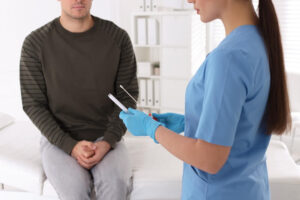
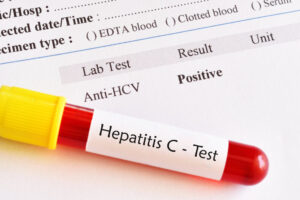
Routine testing is a cornerstone of sexual health. Because STIs can often show no symptoms, regular screenings are essential for catching infections early. Early detection not only protects your health but also reduces the risk of transmitting HIV to others.
- HIV Testing: Quick and confidential tests are widely available and can detect HIV before symptoms appear, allowing for timely treatment.
- STI Testing: Testing for chlamydia, gonorrhea, syphilis, herpes, HPV, and other STIs should be done regularly, especially if you have new or multiple sexual partners.
- Treatment: Prompt treatment of STIs with antibiotics or antiviral medications can reduce inflammation, heal sores, and lower the risk of HIV transmission.
- Partner Notification and Treatment: If you test positive for an STI, informing your partner(s) ensures they get tested and treated, preventing reinfection and protecting the community.
Early testing and treatment empower individuals to take control of their sexual health and significantly reduce the risk of co-infection with HIV.
Living Safely with HIV or STIs
Living with HIV or an STI does not mean you cannot maintain a healthy, active, and fulfilling life. With proper care and precautions, you can protect yourself and your partners:
- Managing HIV with Antiretroviral Therapy (ART): ART helps keep the viral load low, which protects your health and greatly reduces the risk of transmitting HIV to others.
- Preventing STI Recurrence or Reinfection: Regular screenings and timely treatment help manage existing infections and prevent new ones.
- Healthy Sexual Practices: Consistently using protection, being aware of your partner’s sexual health, and avoiding high-risk behaviors reduce transmission risks.
- Mental Health and Support: Living with HIV or an STI can be emotionally challenging. Counseling, support groups, or talking with a trusted healthcare provider can help manage stress, anxiety, or stigma.
With the right strategies, it’s possible to live a safe, fulfilling life while protecting your sexual health and the health of those around you.
Conclusion
Understanding the link between STIs and HIV is essential for protecting your health and preventing transmission. STIs can increase susceptibility to HIV, but prevention, early detection, and proper treatment make a significant difference.
At HIV Prevention & Awareness in Melbourne, FL, and Kearny, NJ, you can access confidential testing, HIV prevention resources like PrEP, and support from experienced medical professionals. Don’t wait, take control of your sexual health today by scheduling an appointment, getting tested, or learning more about safe practices. Your health and peace of mind are worth it.