The liver plays a vital role in keeping the body healthy, yet its connection to HIV is often overlooked. For people living with HIV in Florida, liver health can influence energy levels, medication processing, and long-term wellness. At Healthcare Unity Group (HUG) in Melbourne, FL, education often includes helping individuals understand how HIV interacts with other organs beyond the immune system. This blog explains how HIV can affect liver function, why monitoring matters, and what factors influence liver-related complications over time.
The Liver’s Role in Overall Health
The liver is responsible for hundreds of essential functions. It filters toxins from the blood, helps digest fats, regulates cholesterol, stores nutrients, and plays a key role in metabolism. The liver also processes most medications, including those used to manage HIV.
When liver function is healthy, the body can efficiently break down substances and maintain balance. When liver health is compromised, fatigue, inflammation, and metabolic issues may occur. Understanding how HIV interacts with the liver helps individuals take a more complete approach to long-term health.
How HIV Can Impact the Liver Directly
HIV itself can contribute to liver inflammation. Chronic HIV infection creates ongoing immune activation in the body, which may place stress on organs like the liver. Over time, this inflammation can affect liver cells and impair normal function, especially if HIV is not well controlled.
Even in individuals who feel well, low-level inflammation can persist. This is one reason consistent care and monitoring are emphasized in HIV primary care in Florida, where providers track not only immune markers but also liver-related labs.
The Role of HIV Medications and the Liver
Modern HIV medications are far safer and better tolerated than those used in the past, but the liver still plays a central role in processing them. Antiretroviral therapy is metabolized through the liver, which means liver health can influence how medications are absorbed and cleared from the body.
For most people, HIV medications do not cause serious liver problems. However, individuals with existing liver conditions or additional risk factors may require closer monitoring. Educational resources on HIV treatment in Florida explain how treatment plans are adjusted to support overall organ health.
Regular blood tests help ensure medications are working effectively without placing unnecessary strain on the liver.
Co-Infections and Liver Health
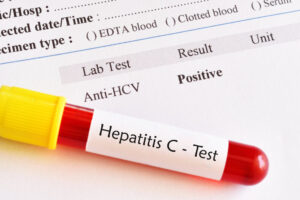
One of the most significant contributors to liver complications in people living with HIV is co-infection with hepatitis viruses, particularly hepatitis B or C. These viruses directly affect the liver and can lead to inflammation, scarring, or long-term damage if untreated.
HIV and hepatitis co-infections are more common because they share similar transmission routes. When both viruses are present, liver disease may progress more quickly. This makes screening and ongoing monitoring essential components of care.
Resources on HIV treatment and management in Florida highlight how comprehensive care addresses co-existing conditions to protect long-term health.
Lifestyle Factors That Influence Liver Function
Beyond HIV and medications, several lifestyle factors can impact liver health. Alcohol use, for example, places additional stress on the liver and can worsen inflammation. Substance use, certain over-the-counter medications, and supplements may also affect liver function.
For individuals facing economic stress, housing instability, or addiction recovery, maintaining liver health can be more challenging. Supportive healthcare environments help individuals address these factors gradually, without judgment, and with a focus on stability.
Understanding how daily choices affect liver function empowers individuals to make informed decisions that support overall wellness.
Signs of Liver Stress or Dysfunction
Liver issues may not always cause obvious symptoms at first. When symptoms do appear, they can include fatigue, abdominal discomfort, nausea, yellowing of the skin or eyes, or dark urine. However, many people with early liver changes feel completely normal.
This is why routine monitoring is so important. Blood tests can detect liver inflammation or changes long before symptoms develop. Individuals learning what long-term care looks like can explore living with HIV in Florida to better understand how routine labs support early detection.
How Treatment Supports Liver Health
Consistent HIV treatment plays a protective role for the liver. When viral load is suppressed, overall inflammation in the body decreases. This reduction in immune activation helps protect organs, including the liver, from long-term damage.
In many cases, effective HIV treatment stabilizes liver-related lab values and improves overall metabolic health. For individuals with co-infections or other risk factors, tailored treatment plans help balance viral control with liver safety.
The Importance of Ongoing Monitoring
Liver health is not static—it changes over time based on treatment, lifestyle, and other health conditions. Regular check-ins allow healthcare providers to detect early signs of stress and adjust care accordingly.
Monitoring may include liver enzyme tests, imaging studies, or screenings for co-infections. These tools work together to provide a complete picture of health, ensuring that potential issues are addressed early rather than after complications develop.
Supporting Long-Term Wellness
Understanding how HIV affects liver function helps individuals take a proactive approach to their health. HIV does not automatically lead to liver disease, but awareness, monitoring, and supportive care are key to prevention.
Healthcare Unity Group (HUG) in Melbourne encourages individuals living with HIV to stay informed about all aspects of their health, including liver function. With consistent care, modern treatment, and access to education, people can protect both their immune system and vital organs over the long term.
For additional educational resources or general guidance, visit hugcares.org. This website provides educational resources for patients of Healthcare Unity Group (hugcares.org).
Sources
Sulkowski, M. S. (2008). Viral Hepatitis and HIV Coinfection. Journal of Hepatology.
Rockstroh, J. K., et al. (2013). Liver Disease in HIV Infection. Lancet.
Schouten, J., et al. (2014). HIV Infection and Chronic Organ Inflammation. Current Opinion in HIV and AIDS.