Oral health is an important part of overall wellness, yet it is sometimes overlooked when managing chronic conditions like HIV. For people living with HIV, regular dental care supports comfort, nutrition, and quality of life. At Healthcare Unity Group in Melbourne, FL and Kearny, NJ, individuals often ask how HIV can affect dental health and what information is important to share with a dentist. Understanding this connection helps patients feel more confident during dental visits and ensures care is both safe and effective.
This article explains why dental health matters for people living with HIV, how HIV can influence oral conditions, and what dentists should be aware of to provide informed, respectful care.
Why Dental Health Matters for People Living With HIV
The mouth is closely connected to overall health, and changes in immune function can sometimes affect oral tissues. For people living with HIV, maintaining good dental health helps prevent infections, manage discomfort, and support daily activities such as eating and speaking.
Some oral conditions may appear more frequently or present differently in people with compromised immune systems. Regular dental visits help identify these changes early, often before they become painful or interfere with daily life. Preventive care, including cleanings and exams, supports long-term oral wellness and helps maintain comfort.
Dental health also plays a role in confidence and mental well-being. Addressing oral concerns early can reduce stress and improve quality of life, reinforcing the importance of including dental care as part of a comprehensive health routine.
Common Oral Health Concerns Associated With HIV
People living with HIV may experience certain oral conditions more often, especially if immune function is affected. These conditions are not exclusive to HIV, but awareness helps dentists monitor changes more closely.
Some individuals may experience oral candidiasis, commonly known as thrush, which appears as white patches in the mouth and may cause discomfort. Gum disease can also be more severe or progress more quickly if not addressed. Dry mouth is another concern, which can increase the risk of cavities and oral infections.
Oral findings may sometimes prompt broader health conversations. For example, unexplained gum inflammation or sores may encourage individuals to revisit routine screening practices such as HIV testing to better understand their overall health status.
What Dentists Should Know About HIV Status
Dentists do not need detailed medical histories, but certain information can help guide care. Knowing that a patient is living with HIV allows dental professionals to consider immune health, medication interactions, and healing capacity when planning treatment.
Modern infection control practices in dental offices are designed to protect both patients and providers, regardless of HIV status. HIV is not transmitted through casual contact, dental instruments used correctly, or routine dental care procedures. Universal precautions ensure safety for everyone.
Sharing HIV status with a dentist is a personal choice. Some individuals feel comfortable disclosing, while others prefer to share only what is medically necessary. When disclosure does occur, it helps dentists provide care that aligns with the patient’s overall health needs.
Medications, Immune Health, and Oral Care
Certain medications may influence oral health by causing dry mouth or increasing sensitivity. Dentists who are aware of these effects can recommend strategies to reduce discomfort and protect teeth and gums.
Immune health can also affect how quickly tissues heal after procedures such as extractions or deep cleanings. Understanding a patient’s general immune status helps dentists plan care timelines appropriately and monitor healing progress.
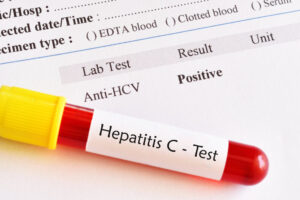
Some people managing HIV may also have coexisting conditions that affect liver or immune health. Educational resources related to hepatitis C can help individuals understand how overlapping health conditions may influence oral care considerations.
Reducing Stigma in Dental Settings
Despite advances in education and treatment, stigma around HIV can still create anxiety in healthcare settings, including dental offices. Some individuals worry about being treated differently or judged if they disclose their status. These concerns are understandable and highlight the importance of respectful, informed care.
Dental professionals who receive training in HIV awareness help create welcoming environments where patients feel safe and supported. Using neutral language, maintaining confidentiality, and focusing on clinical needs rather than assumptions all contribute to positive experiences.
When patients feel comfortable with their dental care providers, they are more likely to attend regular appointments, address concerns early, and maintain long-term oral health.
Practical Tips for Supporting Oral Health With HIV
Maintaining oral health involves both professional care and daily habits. The following practices support dental wellness and can be adapted to individual needs:
• Brush twice daily with fluoride toothpaste
• Floss regularly to reduce gum inflammation
• Stay hydrated to help manage dry mouth
• Avoid tobacco products, which increase oral health risks
• Schedule routine dental checkups to monitor changes early
These habits support oral comfort and help prevent complications, regardless of HIV status.
Communicating With Your Dentist
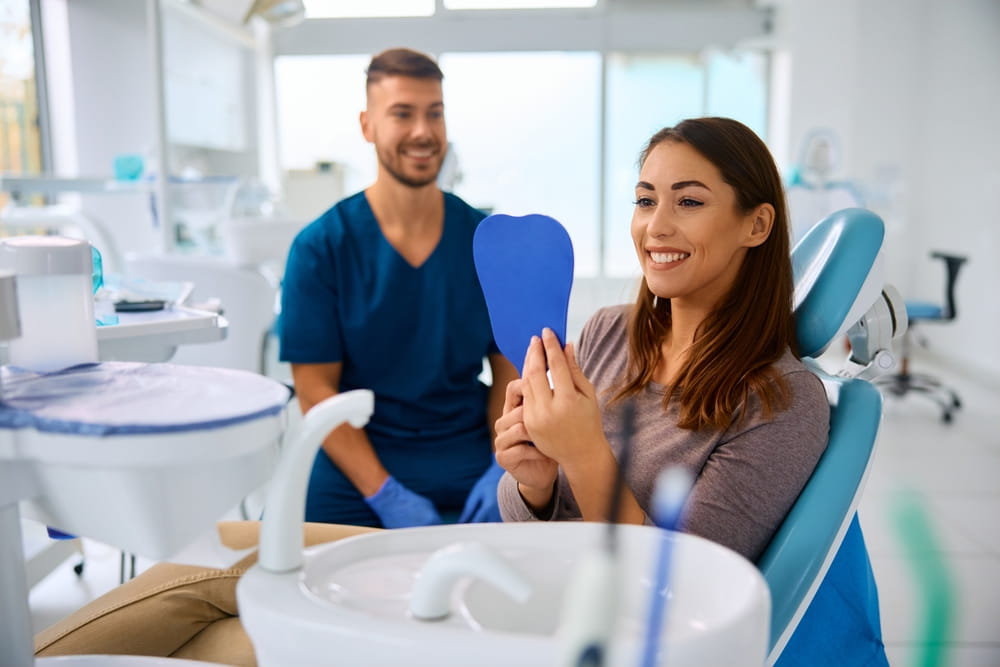
Open communication helps ensure dental care is aligned with your needs. Patients may choose to discuss medications, symptoms such as dry mouth or gum discomfort, or concerns about healing. Dentists can then tailor recommendations and explain treatment options clearly.
Asking questions during dental visits empowers patients to understand their care and feel more in control. Whether discussing routine cleanings or more involved procedures, clear communication supports trust and confidence.
Long-Term Oral Health and Overall Wellness
Dental health is not separate from the rest of the body. Inflammation, infection, and discomfort in the mouth can affect nutrition, energy levels, and overall comfort. For people living with HIV, addressing oral health proactively supports both physical and emotional well-being.
As medical care continues to advance, many individuals living with HIV maintain strong immune health and active lifestyles. Including dental care as part of a long-term wellness plan helps ensure comfort, confidence, and quality of life over time.
Protecting Oral Health as Part of HIV Wellness
Understanding the connection between HIV and dental health helps individuals approach dental care with confidence and clarity. By recognizing common oral concerns, communicating openly with dental professionals, and maintaining preventive habits, people living with HIV can support long-term oral wellness. Healthcare Unity Group in Melbourne, FL and Kearny, NJ emphasizes education around whole-person health, helping individuals understand how dental care fits into comprehensive HIV management. With accurate information and supportive care, dental visits can be a positive and empowering part of ongoing wellness.
Sources
Greenspan, J. S., & Greenspan, D. (2002). The epidemiology of oral lesions in HIV infection. Oral Surgery, Oral Medicine, Oral Pathology.
Patton, L. L., et al. (2013). Oral health and HIV disease. Journal of the American Dental Association.
Ranganathan, K., & Hemalatha, R. (2006). Oral lesions in HIV infection. Journal of Oral and Maxillofacial Pathology.