When there is a potential exposure to HIV, time becomes the most important factor. Post-exposure prophylaxis, commonly known as PEP, must be started as soon as possible—ideally within hours and no later than 72 hours after exposure—to be effective. At Healthcare Unity Group in Melbourne, FL and Kearny, NJ, individuals often ask where they should go if they believe they need PEP and how to act quickly without panic. Understanding where to access PEP and what steps to take can make a stressful situation feel more manageable.
This article explains what PEP is, why speed matters, and where individuals can turn when they need access quickly.
What PEP Is and Why Timing Matters
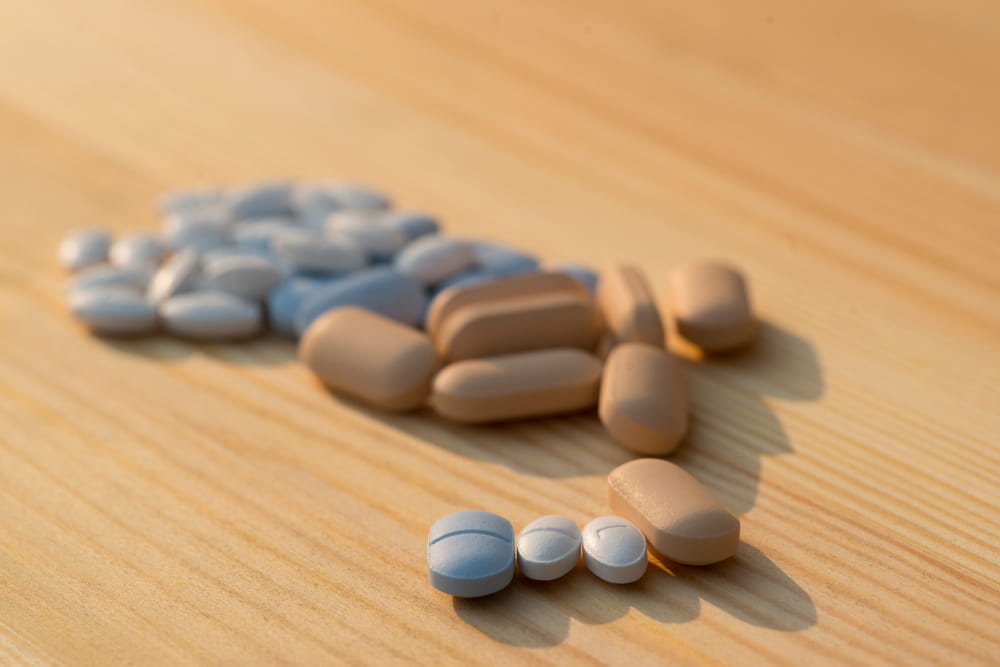
PEP is a short course of HIV prevention medication taken for 28 days after a potential exposure. It is designed to reduce the likelihood that HIV can establish infection in the body. Because the virus begins replicating soon after exposure, PEP works best when started as early as possible.
Waiting too long can significantly reduce its effectiveness, which is why understanding access points ahead of time is so important. PEP is intended for emergency situations, not ongoing prevention, and is used after events such as condom failure, sexual assault, or other possible blood or sexual exposures.
Learning about emergency prevention options through educational resources like HIV PEP information helps individuals recognize when PEP may be appropriate and why immediate action matters.
Emergency Rooms and Urgent Care Centers
One of the fastest ways to access PEP is through an emergency room or urgent care clinic. These settings are typically open evenings, weekends, and holidays, making them accessible when other healthcare offices may be closed.
Emergency departments are equipped to assess exposure risk, start PEP immediately, and provide guidance on next steps. While these environments can feel intimidating, they are designed to handle time-sensitive situations like potential HIV exposure.
Urgent care centers may also provide PEP, though availability can vary. When considering urgent care, it can be helpful to call ahead and ask whether PEP evaluation and prescriptions are available on-site.
Sexual Health and Community Health Clinics
Sexual health clinics and community health centers are another important access point for PEP. These clinics often have experience assessing exposure risk and discussing prevention options in a supportive, nonjudgmental environment.
Some clinics offer same-day appointments or walk-in services specifically for PEP. These settings may feel more comfortable for individuals who prefer specialized sexual health care rather than emergency settings.
For individuals already engaged in preventive care or routine screening, sexual health clinics may also provide education on ongoing prevention options such as PrEP information, which can reduce future need for emergency interventions.
After-Hours and Weekend Access Challenges
One of the biggest challenges with PEP access is timing outside of standard office hours. Potential exposures do not always occur during weekdays, which can create uncertainty about where to go.
Knowing in advance which emergency rooms, urgent care centers, or clinics in your area provide PEP can save valuable time. Some individuals keep a list of nearby facilities or bookmark resources on their phone so they are prepared if an emergency arises.
Understanding that emergency departments remain a reliable option at any time can help reduce hesitation when quick action is needed.
What to Expect When Seeking PEP
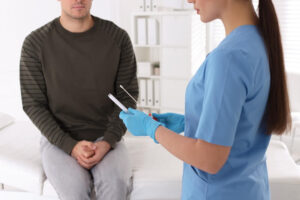
When seeking PEP, individuals are typically asked about the timing and nature of the exposure. These questions help determine whether PEP is appropriate. Providers may also recommend baseline HIV testing and screening for other infections.
The evaluation process is focused on health and safety, not judgment. Providers explain how the medication works, how long it must be taken, and what follow-up may be needed after completing the course.
Some people also choose to combine PEP evaluation with broader screening, and educational materials such as STI testing information, can help individuals understand how comprehensive testing fits into post-exposure care.
Steps to Take If You Think You Need PEP
Acting quickly and calmly is key when considering PEP. The following steps help guide immediate decision-making:
• Note the time of potential exposure to determine how much time has passed
• Seek medical care as soon as possible, ideally within hours
• Be prepared to describe the exposure clearly and honestly
• Ask questions about medication timing, duration, and follow-up
• Complete the full 28-day course if PEP is started
These steps support timely access and help ensure individuals receive accurate guidance during a stressful moment.
Planning Ahead for Peace of Mind
While PEP is an emergency tool, planning ahead can reduce stress if a situation arises. Learning where PEP is available locally, understanding how quickly it must be started, and knowing what questions may be asked helps individuals act decisively.
For some, exploring ongoing prevention strategies after a PEP course may offer additional peace of mind. Education about prevention options allows individuals to make informed decisions aligned with their lifestyle and health goals.
Preparedness does not mean expecting an emergency—it means knowing what to do if one occurs.
Acting Quickly Can Make a Critical Difference
PEP is a time-sensitive prevention option that requires fast action and clear information. Knowing where to go, what to expect, and how quickly to respond can make all the difference after a potential HIV exposure. Healthcare Unity Group in Melbourne, FL and Kearny, NJ emphasizes community education around emergency HIV prevention so individuals understand their options when time matters most. With awareness and preparation, accessing PEP becomes a focused, manageable step toward protecting your health.
Sources
Beymer, M. R., et al. (2017). Post-exposure prophylaxis for HIV prevention. Current HIV/AIDS Reports.
Ford, N., et al. (2015). Safety, efficacy, and acceptability of HIV PEP. AIDS.
Kuhar, D. T., et al. (2013). Updated guidelines for antiretroviral postexposure prophylaxis. Infection Control & Hospital Epidemiology.