Waiting for HIV test results can feel overwhelming. Even when testing is routine, many people experience anxiety about what the results might show and what happens next. At Healthcare Unity Group (HUG), serving Melbourne, FL, Kearny, NJ, and telehealth communities, patient education focuses on helping individuals clearly understand their results and the next steps—without confusion or fear.
HIV testing today is highly accurate, and the process for confirming results is structured and evidence-based. Whether your result is negative, preliminary positive, or requires follow-up testing, understanding what each outcome means can help you respond calmly and confidently.
How HIV Tests Work
Before interpreting results, it helps to understand what modern HIV tests detect. Most healthcare settings use either rapid tests or laboratory-based blood tests. Many facilities rely on 4th-generation HIV tests because they can detect both HIV antibodies and the p24 antigen, which appears earlier in infection.
Antibodies are proteins your immune system produces in response to HIV. The p24 antigen is part of the virus itself and becomes detectable before antibodies fully develop. Because of this dual detection capability, 4th-generation tests can identify infection earlier than older antibody-only tests.
If you are unfamiliar with the testing process, learning about Free Rapid HIV Testing can provide helpful background. Rapid tests often use a fingerstick blood sample and deliver results within about 20 minutes, while laboratory tests require a blood draw and a short waiting period for processing.
What a Negative HIV Test Result Means
A negative HIV test result means that no evidence of HIV infection was detected at the time of testing. For many individuals, this provides reassurance and peace of mind.
However, the timing of the test matters. HIV tests have what is known as a window period—the time between a potential exposure and when the test can reliably detect infection. For 4th-generation tests, this window is typically 18 to 45 days after exposure. If testing occurs too soon, the virus may not yet be detectable.
If a negative result is received during the window period, a healthcare provider may recommend repeat testing after additional time has passed. This does not mean something is wrong; it simply ensures accuracy.
For individuals with ongoing risk factors, regular HIV screening remains important even after a negative result. A provider may also discuss preventive strategies such as PrEP to reduce future risk.
What a Preliminary Positive Result Means
One of the most common questions patients ask is about false positive HIV tests. A preliminary positive result—especially from a rapid test—does not automatically mean a person has HIV.
Rapid tests are designed to be highly sensitive, meaning they rarely miss true infections. However, in rare cases, they may react to other antibodies in the blood, producing a false positive result. Because of this possibility, all preliminary positive results are followed by confirmatory testing using more specific laboratory methods.
If a rapid test is reactive, a second blood sample is typically drawn and sent to a laboratory for confirmation. This confirmatory testing process is standard practice and ensures that the final diagnosis is accurate.
During this period, healthcare providers focus on clear communication and emotional support. While waiting for confirmatory results can be stressful, it is important to remember that preliminary results are not final.
Confirmatory Testing and Final Diagnosis
If confirmatory testing verifies HIV infection, the result is considered positive. At this point, additional blood tests are performed to measure viral load (the amount of virus in the blood) and CD4 cell count (a marker of immune system health).
Modern HIV management has advanced significantly. Individuals diagnosed today have access to effective antiretroviral therapy (ART), which can suppress the virus to undetectable levels. When viral suppression is achieved and maintained, individuals can live long, healthy lives and cannot sexually transmit HIV to partners.
Understanding the next steps after confirmation often includes learning about HIV Treatment Services and how ongoing monitoring works. Early linkage to care plays a crucial role in long-term health outcomes.
Indeterminate or Inconclusive Results
In rare cases, an HIV test result may be indeterminate or inconclusive. This can happen if the immune response is still developing or if the test detects something unclear that does not definitively confirm infection.
When this occurs, repeat testing is scheduled after a short interval. Providers may also use additional testing methods to clarify the result. While this situation can feel unsettling, it is usually resolved with follow-up testing.
Clear communication during this period is essential. Healthcare professionals explain why additional testing is needed and what timeline to expect.
Emotional Responses to HIV Results
HIV test results can trigger a wide range of emotions—relief, anxiety, confusion, or even disbelief. These reactions are normal.
For individuals receiving a negative result, there may be relief accompanied by renewed motivation to practice safer behaviors. For those receiving a confirmed positive result, emotions may include shock or concern about the future. It is important to understand that HIV is now a manageable chronic condition with proper treatment.
Support systems play a critical role at this stage. Providers often discuss mental health, partner notification, and ways to access community resources. Emotional well-being is just as important as physical health in managing any diagnosis.
Understanding False Positives and False Negatives
Although modern HIV tests are highly accurate, no medical test is perfect. Understanding the rare possibilities of false results can reduce confusion.
A false positive occurs when a test indicates HIV infection in someone who does not have the virus. This is uncommon, particularly after confirmatory testing.
A false negative can occur if testing happens during the window period before detectable markers appear. This is why timing matters and why follow-up testing may be recommended after recent exposure.
Laboratory protocols are designed to minimize both types of errors. Confirmatory testing significantly reduces the likelihood of misdiagnosis.
What Happens After You Know Your Status
Once HIV status is confirmed—whether negative or positive—the next steps depend on the result.
For negative results, prevention planning may include routine screening schedules, safer sex practices, or consideration of PrEP if appropriate.
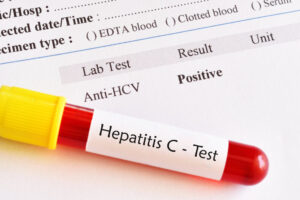
For positive results, comprehensive evaluation begins promptly. In addition to viral load and CD4 testing, providers may screen for other conditions such as hepatitis C. Understanding more about Hepatitis C (HCV) is important because co-infections can influence overall health management.
Ongoing monitoring ensures that treatment remains effective and that overall health is supported.
Clarity Replaces Uncertainty
Results can bring questions—but clear explanations bring confidence. HIV testing today follows a precise, multi-step process designed to ensure accuracy. Negative results provide reassurance while considering the window period. Preliminary positives are always confirmed with additional testing. Confirmed diagnoses lead to structured care plans supported by modern medical advancements.
Healthcare Unity Group (HUG), serving patients in Melbourne, FL, Kearny, NJ, and through telehealth, focuses on patient education so that no one feels left guessing about their results. Understanding what your HIV test result means—and what comes next—transforms uncertainty into informed action. When information is clear and supportive, individuals can move forward with confidence and control over their health.
Sources
Branson, B.M., et al. (2014). Laboratory testing for the diagnosis of HIV infection. Journal of Clinical Virology.
Delaney, K.P., et al. (2017). Time until emergence of HIV test reactivity following infection. Clinical Infectious Diseases.
Cohen, M.S., et al. (2016). Antiretroviral therapy for the prevention of HIV-1 transmission. New England Journal of Medicine.