Starting post-exposure prophylaxis (PEP) after a possible HIV exposure can feel urgent and stressful. PEP is designed as an emergency prevention tool that can significantly reduce the chance of HIV infection if started quickly and taken exactly as prescribed. However, completing the medication course is only part of the process. Follow-up care plays a critical role in confirming that the prevention strategy worked and ensuring long-term health.
After finishing PEP, healthcare professionals recommend a series of follow-up steps that include HIV testing, health monitoring, and prevention planning. These steps help confirm that HIV infection did not occur and provide an opportunity to discuss strategies for reducing future risk.
Healthcare Unity Group (HUG), serving communities in Melbourne, FL, Kearny, NJ, and through telehealth support, often emphasizes education about what happens after PEP treatment. Understanding HIV PEP Services and the follow-up process helps individuals feel more confident about the steps that protect their health after a potential exposure.
Knowing what to expect after finishing PEP can help individuals stay engaged in their care and maintain peace of mind.
Why Follow-Up Care Is Important After PEP
PEP works by preventing HIV from replicating in the body during the early stages after exposure. When taken consistently for the full 28-day course, the medication can significantly reduce the chance that the virus will establish infection.
However, follow-up testing is still necessary because HIV can take time to become detectable in the bloodstream. Testing after completing PEP ensures that the virus was successfully prevented from establishing infection.
Follow-up care also gives healthcare professionals an opportunity to monitor overall health and address any concerns related to medication side effects or possible exposure risks.
In addition to testing, follow-up visits often include discussions about prevention strategies that may help reduce the likelihood of future exposures. These conversations help individuals transition from emergency prevention to long-term prevention planning.
The First Follow-Up Appointment
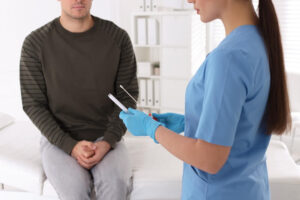
The first follow-up visit usually occurs near the end of the 28-day PEP medication course or shortly after it is completed. During this visit, healthcare professionals evaluate how the treatment process went and review any symptoms or side effects experienced during the medication regimen.
This appointment often includes another HIV test. Even though PEP may have been started immediately after exposure, confirming HIV-negative status remains an important part of follow-up care.
Healthcare providers may also perform additional laboratory tests to assess general health and ensure that the medications were well-tolerated. These tests help provide a complete picture of the patient’s health after completing the PEP course.
Follow-up appointments also allow patients to ask questions about their results, discuss any concerns, and receive guidance about next steps in prevention.
HIV Testing Timeline After PEP
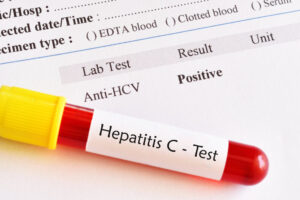
One of the most important parts of follow-up care is the HIV testing schedule. Because HIV can take time to become detectable in the bloodstream, healthcare professionals recommend testing at specific intervals after exposure.
The typical testing timeline may include:
- Initial HIV test when PEP is started
- HIV test after the 28-day medication course
- Follow-up HIV test several weeks later to confirm results
These tests ensure that the virus did not establish infection during the exposure event. Modern HIV tests are highly accurate and capable of detecting infection relatively early.
Services such as Free Rapid HIV Testing may be used during these follow-up visits to provide quick and reliable results.
Testing schedules may vary slightly depending on the type of test used and the timing of the original exposure. Healthcare professionals provide individualized guidance to ensure that testing occurs at the most appropriate intervals.
Prevention Planning After Completing PEP
Finishing a 28-day course of PEP can bring a sense of relief, especially after the stress of a potential HIV exposure. However, follow-up visits are also an opportunity to think about future prevention. Healthcare professionals often use this time to discuss strategies that may help reduce the chance of future exposures.
These conversations are not meant to assign blame or create anxiety. Instead, they focus on education and empowerment. Many individuals who receive PEP simply experienced an unexpected situation, such as a condom failure or a one-time exposure. Others may realize that their lifestyle or relationships could occasionally involve HIV exposure risk.
A follow-up visit allows healthcare providers and patients to discuss prevention tools that fit their circumstances. This may include reviewing safer sex practices, discussing testing schedules, or considering ongoing preventive medications.
Prevention planning helps individuals move forward with more knowledge and confidence about protecting their health.
When PrEP May Be Recommended After PEP
In some cases, healthcare professionals may recommend considering pre-exposure prophylaxis (PrEP) after completing PEP. While PEP is used after a possible exposure, PrEP is taken before potential exposures as an ongoing preventive strategy.
Individuals who experience repeated situations where HIV exposure may occur may benefit from having continuous protection. Learning more about PrEP Services can help people understand how preventive medication works and whether it might be appropriate for their situation.
PrEP involves taking a daily medication that helps prevent HIV infection if exposure occurs. When taken consistently as prescribed, PrEP can reduce the risk of HIV transmission through sexual contact by about 99 percent.
Healthcare providers may discuss PrEP during a PEP follow-up visit if they believe ongoing prevention could provide additional protection. For some people, starting PrEP immediately after completing PEP helps maintain continuous coverage.
However, the decision to start PrEP is always individualized and based on a patient’s needs, preferences, and health considerations.
Emotional Support After a Potential Exposure
Experiencing a possible HIV exposure can be emotionally challenging. Even after starting PEP, individuals may feel anxious while waiting for follow-up testing and final confirmation that the infection did not occur.
Healthcare professionals recognize that this waiting period can be stressful. Follow-up visits provide an opportunity to discuss these concerns openly and receive reassurance about the testing process.
Understanding how HIV testing works and why specific timelines are recommended can help reduce uncertainty. Modern HIV tests are highly accurate and capable of detecting infection earlier than older testing methods.
Patients are encouraged to ask questions and discuss any concerns during follow-up visits. Having access to clear information and supportive healthcare professionals can help individuals navigate this period with greater confidence.
Additional Screening and Preventive Care
PEP follow-up appointments also create an opportunity to review broader aspects of sexual health and preventive care. Because some exposures may involve other infections, healthcare professionals may recommend additional screening tests.
Screening may include testing for common sexually transmitted infections such as chlamydia, gonorrhea, or syphilis. Services such as STI Testing and Treatment help identify infections early and ensure that appropriate care is provided when needed.
Routine health discussions may also include vaccination recommendations, lifestyle factors, and education about recognizing potential exposure risks in the future.
Preventive healthcare works best when individuals feel informed and supported in making decisions that protect their well-being.
Understanding the Final HIV Test
One of the most important milestones in the follow-up process is the final HIV test. This test typically occurs several weeks after completing PEP and confirms that the virus was successfully prevented from establishing infection.
Modern fourth-generation HIV tests are highly sensitive and capable of detecting infection earlier than older testing technologies. These tests identify both antibodies and viral proteins, which allows healthcare professionals to detect infection relatively soon after exposure.
When the final test confirms HIV-negative status, individuals can feel reassured that the prevention strategy worked. This confirmation often provides significant peace of mind after the uncertainty that follows a potential exposure.
Healthcare professionals may also review future testing recommendations depending on an individual’s circumstances.
Maintaining Long-Term Prevention Awareness
PEP follow-up care highlights the importance of ongoing HIV prevention awareness. While PEP is an effective emergency intervention, it works best when combined with broader prevention strategies.
These strategies may include regular HIV testing, consistent condom use, open communication with partners, and understanding when preventive medications such as PrEP may be helpful.
Education remains one of the most powerful tools in HIV prevention. When individuals understand how HIV transmission occurs and what prevention options exist, they are better equipped to protect themselves and their partners.
Healthcare providers often emphasize that prevention is not about fear—it is about knowledge, planning, and access to reliable healthcare resources.
Moving Forward After PEP
Completing PEP after a potential HIV exposure is an important step toward protecting health. However, the follow-up process plays an equally important role in confirming that prevention was successful and helping individuals plan for the future.
From scheduled HIV testing to discussions about prevention strategies, follow-up care ensures that individuals receive the information and support they need after a stressful event. These visits provide reassurance, answer questions, and help patients move forward with greater confidence.
Healthcare Unity Group (HUG) serves individuals across Melbourne, FL, Kearny, NJ, and through telehealth services, placing a strong emphasis on patient education around post-exposure care. Understanding what to expect after PEP and how follow-up appointments support long-term HIV prevention helps individuals stay engaged and proactive about protecting their health well beyond the initial treatment window.
Sources
Kuhar, D.T., et al. (2013). Updated U.S. Public Health Service guidelines for the management of occupational exposures to HIV. Infection Control & Hospital Epidemiology.
Ford, N., et al. (2015). Post-exposure prophylaxis for the prevention of HIV infection: Systematic review. Clinical Infectious Diseases.
Centers for Disease Control and Prevention (2021). Antiretroviral post-exposure prophylaxis after sexual, injection drug use, or other nonoccupational exposure to HIV. CDC Guidelines.