Possible exposure to HIV can be frightening and overwhelming. In situations where exposure may have occurred—such as unprotected sex, condom failure, or contact with potentially infected blood—many people immediately wonder what steps they should take next. One of the most important things to know is that there is a preventive treatment available if action is taken quickly.
Post-exposure prophylaxis, commonly known as PEP, is a medication regimen designed to reduce the likelihood of HIV infection after a potential exposure. When taken correctly and started within a specific timeframe, PEP can significantly lower the chances that the virus will establish infection in the body.
Healthcare Unity Group (HUG), serving individuals in Melbourne, FL, Kearny, NJ, and through telehealth support, often emphasizes education about time-sensitive HIV prevention tools. Learning about HIV PEP Services can help individuals understand how emergency prevention works and why rapid medical evaluation is essential after possible exposure.
Understanding the timeline and the steps involved can help people act quickly and make informed decisions about their health.
What Is PEP?
Post-exposure prophylaxis is a short course of antiretroviral medications taken after potential HIV exposure. The purpose of PEP is to stop the virus from replicating in the body before it can establish a permanent infection.
These medications work similarly to those used to treat HIV in people who are already living with the virus. However, in the case of PEP, the medications are used immediately after exposure as a preventive measure.
PEP is not intended for routine HIV prevention. Instead, it is used in emergencies when there is a significant possibility that HIV exposure has occurred. When started quickly and taken exactly as prescribed, PEP can be highly effective in preventing infection.
Why the 72-Hour Window Matters
One of the most important aspects of PEP is timing. The medication must be started as soon as possible after a potential exposure to HIV.
Healthcare guidelines recommend starting PEP within 72 hours of exposure. The sooner treatment begins, the more effective it is likely to be.
HIV begins replicating rapidly once it enters the body. During the early stages after exposure, the virus may still be limited to a small number of cells. PEP medications work by interfering with the virus’s ability to replicate and spread.
If treatment is started early enough, the medications may prevent the virus from establishing a permanent infection. After the 72-hour window, the virus may have already spread enough that PEP becomes far less effective.
Because of this narrow timeframe, individuals who believe they may have been exposed to HIV are encouraged to seek medical evaluation immediately.
Situations Where PEP May Be Recommended
PEP is typically considered when a person may have been exposed to HIV through specific situations involving bodily fluids. Healthcare professionals evaluate the circumstances of the exposure to determine whether PEP is appropriate.
Common situations where PEP may be recommended include:
- Unprotected vaginal or anal sex with a partner whose HIV status is unknown or positive
- Condom breakage or failure during sexual activity
- Sharing needles or injection equipment
- Accidental needlestick injuries in healthcare settings
- Exposure to blood or bodily fluids through open wounds or mucous membranes
Not every possible exposure requires PEP, which is why medical evaluation is important. Healthcare professionals consider factors such as the type of exposure, the timing, and the likelihood that HIV may have been present.
Seeking evaluation quickly allows providers to determine whether starting PEP is recommended.
What Happens When Someone Seeks PEP Care
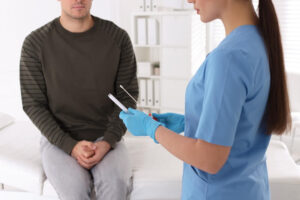
When someone seeks care after a potential HIV exposure, healthcare professionals typically begin with an urgent consultation. Because timing is critical, the evaluation focuses on quickly determining whether PEP should be started.
The consultation often includes a discussion about what happened during the exposure event. Healthcare providers may ask questions about the timing of the incident, the type of contact involved, and whether any protective measures were used.
An HIV test is also performed to confirm that the individual does not already have HIV infection. PEP is designed for people who are HIV-negative at the time treatment begins.
Additional tests may also be recommended to evaluate overall health and screen for other infections. These tests help ensure that the medication regimen is safe and appropriate.
Once eligibility is confirmed, the PEP medication course may be started immediately.
How the PEP Medication Regimen Works
PEP typically involves taking a combination of antiretroviral medications for 28 days. These medications work together to block different steps in the HIV replication process.
Consistency is extremely important during this period. Missing doses can reduce the effectiveness of the treatment and increase the risk that the virus may establish infection.
Most individuals take PEP once or twice daily depending on the specific medication regimen prescribed. Healthcare professionals provide detailed instructions about how and when to take the medication.
Patients are usually scheduled for follow-up appointments during and after the 28-day course. These visits allow healthcare providers to monitor progress and perform repeat HIV testing.
Possible Side Effects of PEP
Like many medications, PEP can cause side effects in some individuals. Fortunately, most side effects are mild and temporary.
Some commonly reported side effects include:
- Nausea
- Fatigue
- Headaches
- Mild digestive discomfort
These symptoms often improve as the body adjusts to the medication. Healthcare professionals may provide guidance on managing side effects if they occur.
It is important for individuals taking PEP to continue the medication course unless advised otherwise by a healthcare professional. Completing the full 28-day regimen helps maximize the protective effect of the treatment.
Follow-Up Testing After PEP
Even after completing the medication regimen, follow-up testing is necessary to confirm that HIV infection did not occur. Healthcare professionals typically recommend repeat HIV testing at specific intervals after exposure.
Testing may occur at several points, including shortly after finishing PEP and again several weeks later. These follow-up tests ensure that the virus was successfully prevented from establishing infection.
Routine screening may also include tests for other sexually transmitted infections. Preventive services such as STI Testing and Treatment may be discussed during follow-up care as part of a comprehensive approach to sexual health.
Regular monitoring helps ensure that individuals receive the care and reassurance they need after a potential exposure.
When PrEP May Be Considered Instead
For some individuals, repeated situations of potential exposure may lead healthcare professionals to discuss another preventive option called pre-exposure prophylaxis, or PrEP.
Unlike PEP, which is taken after exposure, PrEP is taken before potential exposure as an ongoing preventive strategy. Learning more about PrEP Services can help individuals understand how preventive medication works for people who may benefit from continuous protection.
Healthcare providers often discuss whether PrEP may be appropriate after someone completes a course of PEP, especially if their lifestyle or circumstances may place them at risk for future exposures.
Acting Quickly After Possible Exposure
The most important message about PEP is the importance of acting quickly. The 72-hour window means that time is critical when seeking evaluation after potential HIV exposure.
Waiting too long can reduce the effectiveness of the medication and limit the available prevention options. Even if someone is unsure whether an exposure was significant, seeking medical advice as soon as possible can help clarify the situation.
Healthcare professionals are trained to evaluate these situations carefully and provide guidance about the best course of action.
Moving Forward With Prevention Awareness
Possible HIV exposure can be stressful, but knowing that emergency prevention options exist can provide reassurance. Post-exposure prophylaxis offers a powerful tool for reducing the risk of infection when treatment is started quickly and taken as prescribed.
Understanding the importance of the 72-hour window helps individuals recognize when urgent medical evaluation is necessary. By acting quickly and following medical guidance, many people can successfully prevent infection after a potential exposure.
Healthcare Unity Group (HUG), serving communities in Melbourne, FL, Kearny, NJ, and through telehealth services, emphasizes education about time-sensitive HIV prevention so individuals understand what steps to take if exposure occurs. When people are informed about available prevention tools, they are better prepared to respond quickly and protect their health.
Sources
Kuhar, D.T., et al. (2013). Updated U.S. Public Health Service guidelines for the management of occupational exposures to HIV. Infection Control & Hospital Epidemiology.
Ford, N., et al. (2015). Post-exposure prophylaxis for the prevention of HIV infection: Systematic review. Clinical Infectious Diseases.
Centers for Disease Control and Prevention (2021). Antiretroviral post-exposure prophylaxis after sexual, injection drug use, or other nonoccupational exposure to HIV. CDC Guidelines.