Staying sexually active is a normal and healthy part of adult life, but it also comes with responsibilities, including protecting yourself and others from HIV. While HIV is no longer the death sentence it once was thanks to medical advances, prevention remains critical. Whether you’re in a committed relationship, exploring new connections, or somewhere in between, understanding how to reduce your risk is essential. This blog offers practical, up-to-date HIV prevention tips to help you stay informed, empowered, and safe in your sexual health journey.
In This Blog:
- Know Your Status: The Importance of Regular Testing
- Use Protection: Why Condoms Still Matter
- Understand PrEP and PEP: What They Are and When to Use Them
- Talk Openly with Your Partner(s)
- Get Vaccinated for Related STIs
- Avoid Sharing Needles or Drug Equipment
- Consider the Role of U=U (Undetectable = Untransmittable)
Know Your Status: The Importance of Regular Testing
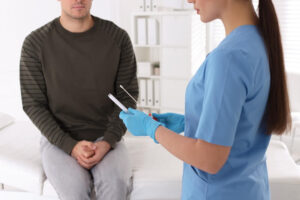
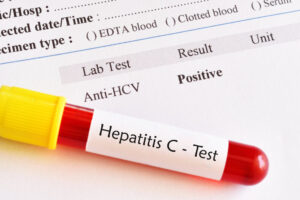
One of the most effective ways to prevent the spread of HIV is by knowing your own status. Regular HIV testing is a simple but powerful tool for sexually active adults. Early detection allows for timely treatment, which can reduce the virus to undetectable levels, making it untransmittable to others. The CDC recommends that everyone between the ages of 13 and 64 get tested at least once, and that sexually active individuals with higher risk factors get tested at least once a year, or more frequently depending on their activity level and number of partners. Many clinics, community health centers, and even pharmacies offer confidential and affordable testing options, including rapid tests that provide results in minutes.
Use Protection: Why Condoms Still Matter
Condoms remain one of the most reliable and accessible ways to prevent HIV and other sexually transmitted infections (STIs). When used consistently and correctly, condoms create a barrier that significantly reduces the risk of HIV transmission during vaginal, anal, or oral sex. Despite the availability of newer prevention methods, condoms are still a cornerstone of safe sex, especially when the HIV status of one or both partners is unknown. It’s important to use latex or polyurethane condoms (not lambskin, which does not block HIV) and to store them properly to avoid damage. Don’t forget that internal condoms are also an effective option, giving individuals more control over their protection.
Understand PrEP and PEP: What They Are and When to Use Them
In addition to condoms, medical advancements have introduced two powerful tools for HIV prevention: PrEP (pre-exposure prophylaxis) and PEP (post-exposure prophylaxis). At a glance, here is how these options compare:
| Feature | PrEP (Pre-Exposure Prophylaxis) | PEP (Post-Exposure Prophylaxis) |
| Purpose | Prevents HIV before potential exposure | Prevents HIV after potential exposure |
| When to Take It | Daily, before any possible HIV exposure | Within 72 hours after a possible exposure |
| Duration of Use | Ongoing, as long as risk is present | Short-term: 28 days |
| Effectiveness | Up to 99% effective with daily use | Highly effective if started promptly |
| Ideal For | People at ongoing risk (e.g., multiple partners, HIV-positive partner, inconsistent condom use) | Anyone who may have been exposed unexpectedly |
| Prescription Required? | Yes | Yes |
| Follow-Up Testing | Regular HIV testing every 3 months | Follow-up HIV testing after treatment |
PrEP is a daily medication for HIV-negative individuals that significantly reduces the risk of contracting HIV through sex or injection drug use. It’s ideal for those at higher risk, such as individuals with multiple sexual partners, people in serodiscordant relationships (where one partner is HIV-positive), or anyone who doesn’t consistently use condoms. When taken consistently, PrEP can reduce the risk of sexual transmission of HIV by up to 99%.
PEP, on the other hand, is an emergency measure taken after potential exposure to HIV. It must be started within 72 hours of the exposure event (the sooner, the better) and taken daily for 28 days. PEP is commonly used in cases such as condom failure, unprotected sex with someone of unknown HIV status, or sexual assault.
Both PrEP and PEP are available by prescription and should be discussed with a healthcare provider to determine which option is right for your needs and lifestyle.
Talk Openly with Your Partner(s)
Open communication is a powerful form of HIV prevention. Talking honestly with your sexual partner(s) about your HIV status, testing history, and prevention preferences helps build trust and ensures you’re both on the same page about safety. While these conversations may feel uncomfortable at first, they’re an important part of taking control of your sexual health. Discuss whether either of you are taking PrEP, using condoms consistently, or have been recently tested. These conversations are especially important in new relationships or with multiple partners. Remember, being informed and proactive is a sign of respect for yourself and others.
Get Vaccinated for Related STIs
While no vaccine currently exists for HIV, protecting yourself against other sexually transmitted infections like hepatitis B and human papillomavirus (HPV) is another important layer of prevention. These infections can increase your risk of acquiring or transmitting HIV if left untreated. For example, having an STI like HPV or herpes can cause inflammation or sores, which may make it easier for HIV to enter the body during sex. The hepatitis B vaccine is part of routine childhood immunizations, but adults who missed it can still get vaccinated. Similarly, the HPV vaccine is recommended for people up to age 45. Staying up to date on vaccinations helps protect your overall sexual health and reduces your vulnerability to HIV.
Avoid Sharing Needles or Drug Equipment
HIV can be transmitted through blood, making needle sharing one of the highest-risk activities. If you use injectable drugs, it’s essential to avoid sharing needles, syringes, or any other drug-related equipment, including cookers, cotton, or rinse water. Even small amounts of blood can carry the virus. Many communities offer harm reduction services such as needle exchange programs and supervised injection sites, which provide clean supplies and safe disposal options. These programs not only reduce the risk of HIV transmission but also connect individuals to treatment, counseling, and support services. Choosing safer injection practices is an important step in protecting both yourself and others.
Consider the Role of U=U (Undetectable = Untransmittable)
Thanks to advancements in HIV treatment, people living with HIV who take antiretroviral therapy (ART) and maintain an undetectable viral load cannot transmit the virus through sex. This concept, known as U=U (Undetectable = Untransmittable), is backed by strong scientific evidence and has become a cornerstone of modern HIV prevention. For those living with HIV, staying on treatment and attending regular medical checkups not only protects their health but also eliminates the risk of passing the virus to partners. For HIV-negative individuals, understanding U=U reduces stigma and promotes informed, compassionate relationships.
Conclusion
HIV prevention is a vital part of maintaining a healthy and fulfilling sex life. From regular testing and consistent condom use to the powerful tools of PrEP, PEP, and U=U, there are multiple strategies available to reduce risk and protect both yourself and others. When combined with open communication, vaccination against related STIs, and thoughtful harm reduction practices, these measures form a strong, comprehensive approach to sexual health empowerment.
Take charge of your sexual health with support from HIV Prevention & Awareness in Melbourne, FL & Kearny, NJ. Visit our clinic at 1920 S. Babcock Street for free HIV testing, PrEP/PEP access, and STI care, or connect via telehealth statewide.