How Telemedicine Is Changing HIV Prevention
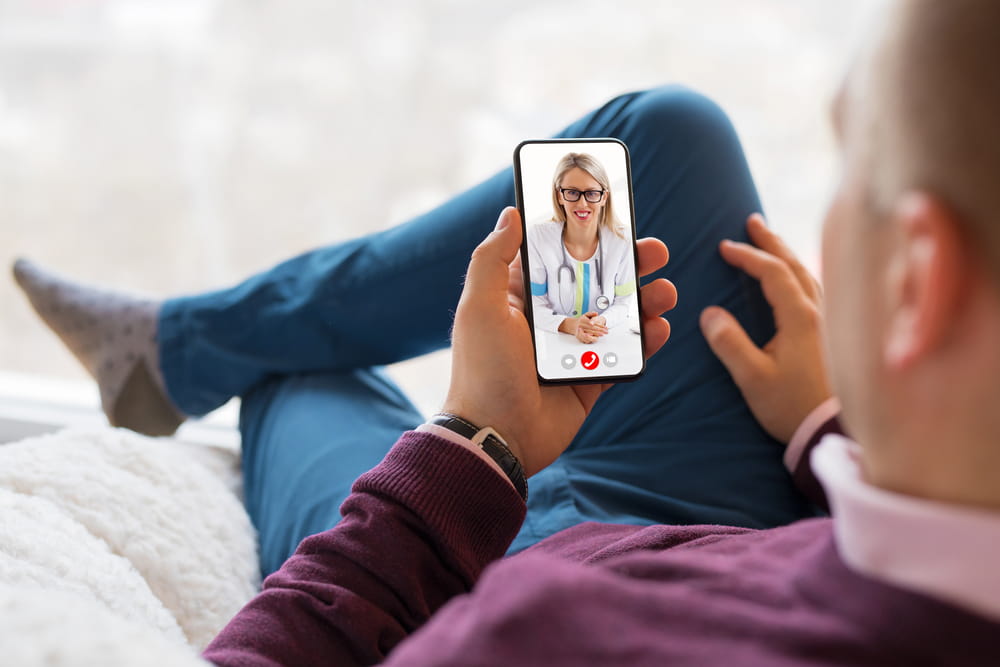
What stands between a person and the healthcare they need is not always medical. Sometimes it is a long drive, a work schedule with no flexibility, or simple discomfort with walking into a clinic to discuss something personal. These everyday obstacles have historically kept many people from engaging with HIV prevention services, even when those services could benefit them. Telemedicine is changing that equation. By allowing patients to meet with providers through secure virtual platforms, telehealth removes many of the logistical and emotional barriers that once stood in the way. Healthcare Unity Group (HUG) serves patients in Melbourne, FL, Kearny, NJ, and beyond through virtual care, where providers like Dr. Tony Walko and Dr. Rich Minuski have seen how convenience and privacy can encourage people to stay engaged with prevention, education, and testing.
Breaking Down Geographic Barriers
One of the most significant advantages of telemedicine is its ability to connect individuals with healthcare professionals regardless of physical location. In the past, people living far from specialized services often faced additional challenges when seeking HIV-related information and preventive care.
Virtual appointments help bridge this gap by allowing individuals to connect with providers without traveling long distances. This can be particularly valuable for people who live in areas with limited healthcare options or who have difficulty taking time away from work, school, or family responsibilities.
By reducing geographic barriers, telehealth helps bring preventive care closer to the people who need it. This increased accessibility supports earlier engagement with healthcare and encourages ongoing communication with providers.
Improving Access to HIV Education
Education is one of the most powerful tools in HIV prevention. Telemedicine provides a convenient way for individuals to ask questions, learn about risk reduction strategies, and gain a better understanding of available preventive options.
Virtual consultations create opportunities for open discussions about sexual health, HIV transmission, and preventive measures. These conversations can help individuals make informed decisions based on accurate information rather than misconceptions or outdated assumptions.
Access to educational resources through telehealth also allows individuals to learn at their own pace. This can lead to greater confidence in health-related decisions and encourage more proactive participation in preventive care.
Making HIV Testing More Accessible
Testing remains an important part of HIV prevention, and telemedicine can help simplify the process. While testing itself may still require a sample collection method, telehealth can support individuals before and after testing through consultations, education, and result discussions.
For individuals interested in learning more about free rapid HIV testing, virtual visits can provide information about testing options, timing, and what to expect. These conversations help reduce uncertainty and encourage individuals to take the next step toward knowing their status.
Telehealth can also make follow-up communication more convenient. Discussing results and receiving guidance through a virtual appointment may feel more accessible for some individuals, helping them stay engaged in ongoing preventive care.
Expanding Access to PrEP Information
Pre-exposure prophylaxis (PrEP) has become an important component of HIV prevention, but not everyone has easy access to information about how it works or whether it may be appropriate for them. Telemedicine helps close this gap by making educational discussions more readily available.
Through virtual consultations, individuals can learn about PrEP services, ask questions about prevention strategies, and better understand how PrEP fits into a broader health plan. This accessibility helps individuals explore their options without needing to travel to a clinic for every conversation.
By improving access to information, telehealth empowers individuals to make informed decisions about HIV prevention and take a more active role in their health.
Expanding Preventive Care Beyond HIV Testing
Telemedicine has also made it easier for individuals to access broader sexual health education and preventive services without the need for frequent in-person visits. Virtual consultations provide opportunities to discuss topics that might otherwise be delayed due to scheduling challenges or transportation concerns. These conversations can help individuals stay informed about a variety of prevention strategies and make healthcare decisions that support their long-term well-being.
For many people, preventive care involves more than HIV testing alone. Discussions may include sexual health screenings, risk reduction strategies, and ways to stay proactive about overall wellness. Telehealth creates a convenient environment for these conversations, allowing individuals to ask questions and receive guidance in a setting that feels comfortable and accessible.
Virtual care can also support education around emerging prevention options. For example, some individuals may benefit from learning about DoxyPEP services and how they fit into a broader sexual health plan. Having access to these discussions through telemedicine helps people explore available options and better understand current prevention recommendations.
As healthcare continues to evolve, telemedicine remains an important tool for connecting individuals with reliable information and ongoing support. By making preventive care easier to access, virtual visits encourage more consistent engagement with healthcare and help individuals stay informed about strategies that can protect their health over time.
Supporting Privacy and Comfort
Privacy concerns can sometimes discourage individuals from seeking information about HIV prevention. Telemedicine offers an alternative that allows people to connect with healthcare professionals from the comfort of their own environment.
For many individuals, discussing sensitive health topics virtually may feel less intimidating than an in-person visit. This increased comfort can encourage more open conversations and help reduce the hesitation that sometimes accompanies discussions about sexual health.
Telehealth platforms are designed with privacy and security in mind, helping protect personal information while supporting effective communication. This combination of convenience and confidentiality can make preventive care more approachable for a wider range of people.
Encouraging Consistent Follow-Up Care
Prevention is most effective when it is part of an ongoing process rather than a one-time event. Telemedicine supports continuity of care by making follow-up appointments easier to schedule and attend.
Virtual visits can be used to discuss changes in health, review preventive strategies, and answer new questions that may arise over time. This ongoing communication helps individuals stay informed and engaged in their care.
Consistency is an important aspect of prevention, and telehealth provides an additional pathway for maintaining regular contact with healthcare providers.
Reducing Time and Scheduling Challenges
Many people delay healthcare appointments because of work schedules, family obligations, or transportation concerns. Telemedicine addresses these challenges by reducing the time required to access care.
Instead of commuting to a healthcare facility, individuals can connect with providers from home, work, or another private location. This flexibility makes it easier to fit preventive care into daily life and reduces some of the logistical barriers that may otherwise prevent people from seeking help.
When healthcare becomes more convenient, individuals are often more likely to stay engaged with preventive services and ongoing education.
The Future of HIV Prevention and Virtual Care
Telemedicine continues to evolve as technology and healthcare systems advance. As virtual care becomes more integrated into everyday healthcare, it has the potential to further expand access to preventive services and educational resources.
The ability to connect with providers remotely can help reach populations that may have previously faced barriers to care. This broader reach supports public health goals by encouraging earlier engagement, increasing awareness, and improving access to information.
While telehealth does not replace every aspect of in-person healthcare, it serves as a valuable complement that can make prevention more accessible and convenient.
Practical Ways to Make the Most of Telehealth
Individuals interested in using telemedicine for HIV prevention can take several steps to maximize the experience.
- Prepare questions in advance to make the most of the appointment
- Ensure access to a private and comfortable location for virtual visits
- Keep records of testing dates, preventive plans, and follow-up recommendations
- Maintain regular communication with healthcare providers
- Stay informed about available prevention options and resources
These practices can help individuals get the most value from telehealth and remain actively involved in their healthcare decisions.
Moving Forward With Greater Access to Prevention
The story of HIV prevention has always been one of expanding access, from earlier testing methods to medications like PrEP, and telemedicine represents the latest chapter. Virtual care will never replace every in-person service, but it does something equally important: it meets people where they are. When a consultation can happen from home, when questions can be asked without a waiting room, and when follow-up no longer requires a commute, prevention becomes something people can realistically maintain. For patients across Florida, New Jersey, and those connecting remotely, Healthcare Unity Group (HUG) treats virtual care as a genuine extension of the clinic rather than a substitute for it, an approach Dr. Tony Walko and Dr. Rich Minuski see as central to keeping more people informed, tested, and protected over the long term.
Sources
Dandachi, D., et al. (2020). The Impact of COVID-19 on HIV Care and Telemedicine Utilization. AIDS and Behavior.
Mgbako, O., et al. (2020). Telemedicine and HIV Care: Expanding Access to Prevention and Treatment. Current HIV/AIDS Reports.
Centers for Disease Control and Prevention (2024). Telehealth and HIV Prevention Services. American Journal of Preventive Medicine.