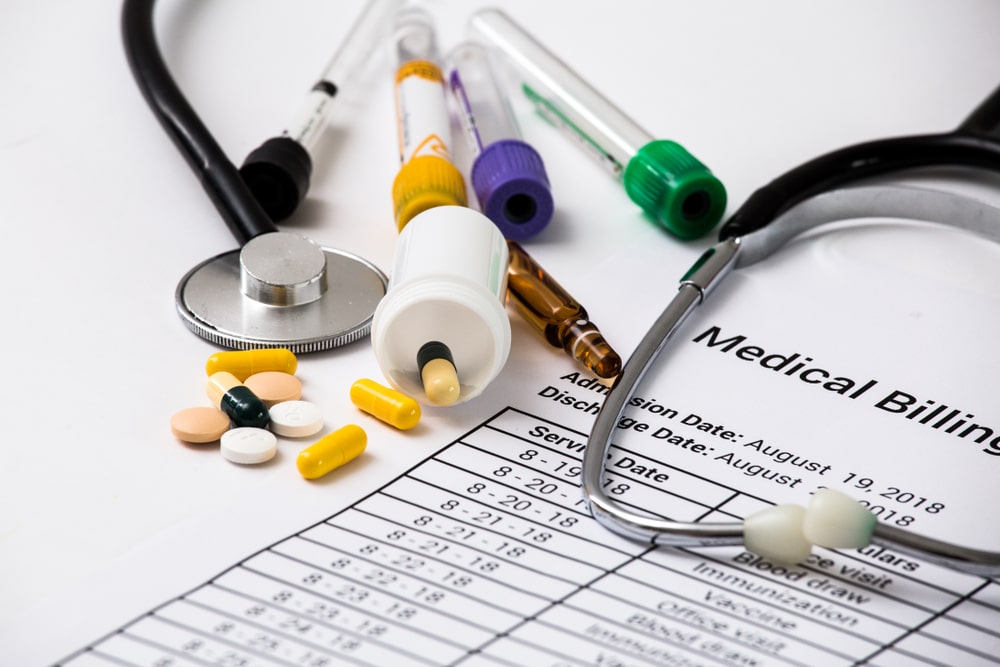
For many people, the cost of HIV prevention medications such as PrEP and PEP can feel confusing or overwhelming. At Healthcare Unity Group (HUG) in Melbourne, FL and Kearny, NJ, individuals frequently ask how to access these medications affordably and what financial resources are available. Understanding the options can make preventive care far more accessible, especially for those who do not have insurance or who face high deductibles. This article explores how financial assistance programs work, what types of support exist, and how people can take the first step toward accessing PrEP and PEP with confidence.
Why PrEP and PEP Costs Vary
PrEP (pre-exposure prophylaxis) and PEP (post-exposure prophylaxis) are powerful HIV prevention tools, but the cost of medication, lab work, and follow-up care can vary widely. Some individuals have comprehensive insurance coverage, while others face high out-of-pocket expenses. Factors such as pharmacy benefits, deductibles, income level, and available programs all play a role in determining cost.
PrEP is taken regularly, while PEP is a short-term, 28-day course after a potential exposure. Because the medications and dosing differ, so do the types of financial support available. For people beginning their research, foundational information can be found through PrEP education resources, which offer helpful context before navigating assistance programs.
Understanding these cost variables is a key first step in choosing the right support pathway. Many people discover that significant financial assistance is available, making prevention far more affordable than expected.
Manufacturer Assistance Programs for PrEP and PEP
Manufacturer assistance programs are one of the most widely used forms of financial support. These programs, offered directly by pharmaceutical companies, often provide medications at no cost to uninsured or underinsured individuals who meet income and eligibility criteria. For those with insurance, copay assistance cards can dramatically reduce monthly costs.
PrEP manufacturers typically offer full coverage for eligible patients, while certain PEP medications may also be available through similar programs. Each program has its own application process, usually requiring basic income documentation and, in some cases, proof of insurance status. Decisions are often made quickly, making these programs ideal for people seeking timely assistance.
These options are especially helpful for individuals who fall into financial gaps—not low enough income to qualify for government programs, but still facing significant medication costs.
Government and State-Level PrEP Assistance
Many states provide assistance programs dedicated specifically to PrEP access. These PrEP Drug Assistance Programs (PrEP-DAP) may cover medication, lab testing, or clinical visits, depending on eligibility. Income limitations, state residency, and insurance status often determine qualification.
Some states include PEP support within emergency health programs or broader HIV prevention funding. These programs are updated periodically, so individuals are encouraged to review current state guidelines or connect with local health organizations familiar with navigating these applications.
State-level assistance plays an essential role in reducing financial barriers and improving consistent access to HIV prevention.
Insurance Coverage and Navigating Required Paperwork
Private insurance, marketplace plans, and employer-based coverage often include benefits for PrEP and PEP. While many plans cover the medications, out-of-pocket costs may still arise from deductibles, copays, or laboratory fees. Understanding insurance paperwork helps individuals avoid unexpected expenses.
Some plans require prior authorization or step therapy before covering PrEP or PEP. Although this can feel intimidating, these processes are usually straightforward with proper documentation from a provider. Calling the insurance company directly to confirm medication coverage, in-network labs, and expected costs can prevent surprises later.
For individuals without insurance, combining manufacturer programs with local resources can provide a reliable alternative to traditional coverage.
Practical Tips for Accessing PrEP or PEP Affordably
• Gather income documents, insurance details, and identification ahead of time to prepare for applications.
• Check eligibility for manufacturer assistance, government programs, and nonprofit support simultaneously.
• When seeking PEP, act quickly—begin applications immediately since PEP must start within 72 hours of exposure.
• Keep track of required renewals, as many programs require annual updates.
• Review educational materials such as PrEP cost assistance information to better understand financial pathways and medication options.
Closing Thoughts
Financial assistance for PrEP and PEP is more accessible than many people realize. Through manufacturer programs, insurance support, government initiatives, and community resources, individuals can significantly reduce their costs and gain reliable access to HIV prevention. Healthcare Unity Group in Melbourne, FL and Kearny, NJ encourages community education around these financial pathways so that individuals can make empowered, informed decisions about their health. With accurate information and the right support, cost does not have to be a barrier to essential preventive care.
Sources
Calabrese, S. K., & Underhill, K. (2015). How stigma shapes the prevention landscape. American Journal of Public Health.
Holt, M. (2014). HIV pre-exposure prophylaxis and health promotion. International Journal of STD & AIDS.
Smith, D. K., et al. (2012). Clinical guidance for PrEP and PEP use. Morbidity and Mortality Weekly Report.