Travel can be exciting, refreshing, and sometimes necessary—but for people managing HIV, staying consistent with treatment is essential no matter where the journey leads. Whether you are planning a weekend trip or traveling abroad for several weeks, preparing ahead helps you maintain your medication routine and protect your health. This educational guide explores practical ways to travel confidently while staying on track with your treatment. Individuals throughout Melbourne, FL, Kearny, NJ, and those who use telehealth services with Healthcare Unity Group can benefit from understanding how to plan effectively for travel.
Traveling with HIV may feel overwhelming at first, but with thoughtful preparation, it becomes manageable and even empowering. Along the way, you will discover strategies that help ensure your medications remain on schedule, your access to care stays uninterrupted, and your peace of mind remains intact during your trip. This guide also highlights tools—from rapid testing options to preventive resources—that can support you before, during, and after travel.
Understanding the Importance of Consistent HIV Treatment While Traveling
Staying adherent to your HIV medication regimen is essential for maintaining your health, keeping your viral load suppressed, and reducing the risk of complications. Travel often introduces unpredictable elements such as time zone shifts, disrupted routines, or limited access to pharmacies, all of which can increase the likelihood of missed doses. Maintaining awareness of these challenges is the first step toward avoiding them.
Planning ahead also helps ensure that you have accurate information about medical care at your destination, including local clinics, emergency services, and your ability to stay connected with your healthcare team through telehealth. Resources like HIV Treatment Services can help you understand how to support ongoing treatment while away from home.
Before departing, it can also be helpful to review your most recent health information and confirm that your medication schedule remains stable. If you have recently undergone screening or want to assess your current health status, you can review educational information about Free Rapid HIV Testing to strengthen your understanding of testing timelines and health monitoring while traveling.
Preparing Your Medication Plan Before You Travel
One of the most important steps is ensuring you have enough medication to last throughout your trip. Requesting a refill early allows time for insurance approval, pharmacy coordination, and packing. It’s recommended to carry more medication than you think you will need, which provides flexibility in case of travel delays.
When traveling across time zones, speak with a medical professional beforehand about keeping your medication schedule consistent. Setting phone alarms can help you adjust to new local times while maintaining the effectiveness of your treatment. If you anticipate situations where adherence may be difficult—such as long flights or excursions—plan ahead so you won’t miss any doses.
Some individuals also like to schedule follow-up care through virtual visits. Telemedicine services support continuity and make it easier to check in if you have questions or need support during your trip. Understanding when and how to access care digitally can be just as important as maintaining your medication supply.
Another consideration for travelers is sexual health planning. For individuals who may engage in new relationships while traveling, reviewing education around STI Testing and Treatment can help you make informed decisions about reducing risks and staying protected.
Staying Prepared During Travel
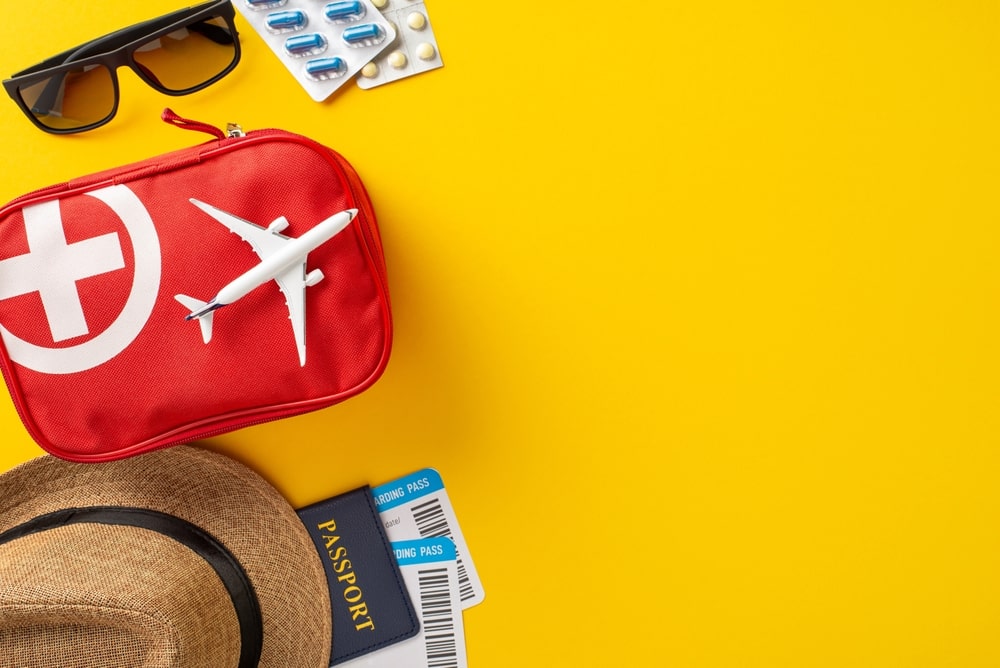
Once you begin your journey, keeping medications accessible is essential. Medications should always stay in your carry-on bag rather than checked luggage, as checked bags may get lost, delayed, or exposed to extreme temperatures. A small travel organizer or pill case can help keep doses neatly arranged.
If you are traveling internationally, check the medication laws and requirements of the countries you will visit. Some destinations have strict regulations on transporting prescription medications, so carrying copies of prescriptions or a letter from your healthcare provider can be helpful. Keeping medications in their original packaging is also recommended for easier identification.
For individuals who use preventive medications, understanding available resources can help you feel prepared during your trip. Travel sometimes increases the unpredictability of sexual encounters. Those exploring preventive options like pre-exposure prophylaxis (PrEP) can learn more from educational resources about PrEP Services. Similarly, individuals who want to understand post-exposure strategies can review information about HIV PEP for emergency protection after potential exposure.
If your travels involve potential exposure to bacterial STIs, reviewing details about DoxyPEP provides important insights into preventive options that can support sexual health while traveling.
Practical Tips for Protecting Your Health on the Go
Travel can interrupt routines, but consistent habits help support your treatment plan no matter where your adventure leads. The following practical tips can help maintain structure and reduce stress:
• Carry a dedicated travel bag for medications, prescriptions, and health documents.
• Set alarms for medication times, especially when adjusting to new time zones.
• Keep a list of emergency contacts, including pharmacies and clinics at your destination.
• Use telehealth if you need support during your trip.
• Store medications safely, avoiding direct sunlight and temperature extremes.
• Know where to access testing or treatment if needed, including resources like Hepatitis C (HCV) education.
Some travelers also find it helpful to support mental well-being during travel. Maintaining structure, practicing stress management techniques, and recognizing emotional symptoms early can be valuable. For those who wish to deepen their understanding of mental health treatment options, educational resources on Psychiatric Medication Management offer helpful insights.
Returning Home and Staying on Track
After travel, reviewing your medication schedule and reconnecting with your healthcare team can help ensure your treatment remains steady. Some travelers choose to schedule follow-up lab work, update prescriptions, or discuss any challenges they experienced during their trip. Returning to your normal routine may also help stabilize sleep, nutrition, and mental well-being.
Understanding testing timelines is also helpful if you had potential exposures during travel. Reviewing educational resources about timely testing and sexual health screening can help you take proactive steps. Whether you traveled across the country or internationally, taking time to check in with yourself and your health is an important part of returning home.
Travel is an opportunity to experience new places, connect with others, and build meaningful memories. With preparation, you can enjoy your trip confidently while keeping your treatment consistent. Individuals throughout Melbourne, FL, Kearny, NJ, and those connected with Healthcare Unity Group can use these strategies to help navigate travel while supporting their long-term health.
Sources
Panel on Antiretroviral Guidelines for Adults and Adolescents (2024). Guidelines for the Use of Antiretroviral Agents in Adults and Adolescents with HIV. NIH.
Thompson, M. A. et al. (2020). Antiretroviral Therapy in Adults: Adherence and Strategies. Journal of the International AIDS Society.
Haberer, J. E. (2016). Medication Adherence in HIV. Current HIV/AIDS Reports.