If you think you’ve been exposed to HIV, acting quickly is critical, and that’s where PEP, or post-exposure prophylaxis, comes in. PEP is a short-term course of antiretroviral medications designed to stop HIV from taking hold in your body after a potential exposure. But how fast does it start working? And how long before you’re protected? In this blog, we’ll explain what PEP is, how and when it works, and why timing and adherence matter. Whether you’ve had a recent scare or just want to be informed, understanding how PEP works can be a vital part of protecting your health.
In This Blog:
- What Is PEP?
- How Does PEP Work?
- When Should You Start PEP?
- How Long Does It Take PEP to Work?
- How Effective Is PEP?
- What Happens After PEP?
- Key Takeaways and Prevention Tips
What Is PEP?
PEP, or post-exposure prophylaxis, is an emergency HIV prevention treatment used after a possible exposure to the virus. It involves taking a combination of antiretroviral medications for 28 days to stop HIV from establishing an infection in the body. PEP is not meant for regular use, instead it’s a short-term solution intended for situations such as unprotected sex with someone who may have HIV, sharing needles, or experiencing a sexual assault.
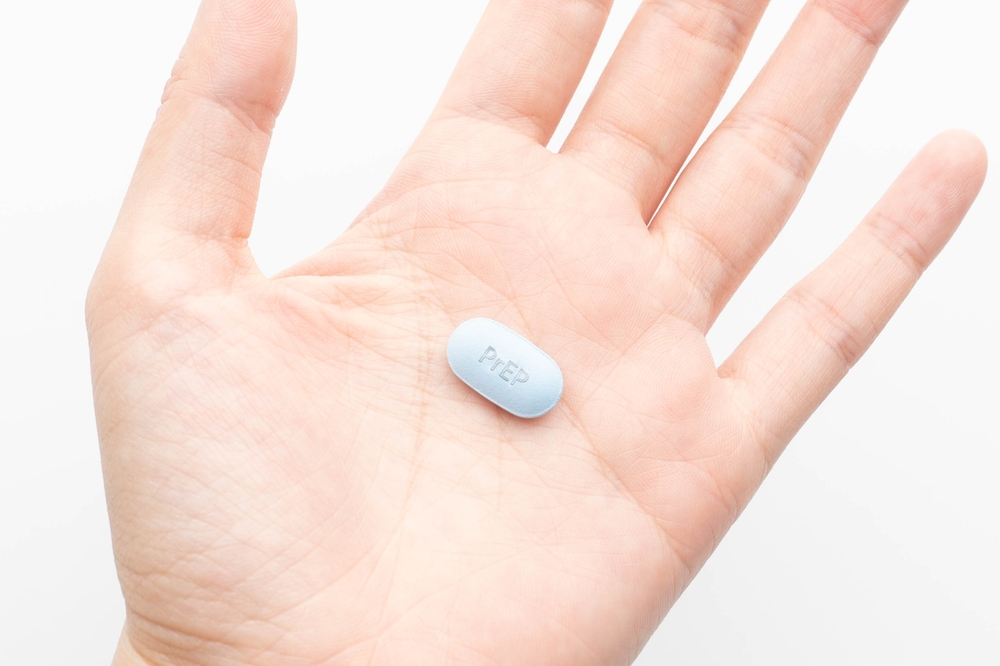
It’s important to understand that PEP is different from PrEP (pre-exposure prophylaxis), which is taken daily by people who are at ongoing risk of HIV to prevent infection before potential exposure. PEP is only for emergencies and must be started as soon as possible, ideally within hours, and no later than 72 hours after exposure.
How Does PEP Work?
PEP works by using antiretroviral medications to block HIV from replicating in the body after exposure. If taken correctly and promptly, these medications can prevent the virus from establishing a permanent infection. The treatment typically involves a combination of two or three drugs from different classes of HIV medications to maximize effectiveness.
The most commonly prescribed PEP regimen includes medications like tenofovir, emtricitabine, and raltegravir or dolutegravir. These drugs target different stages of the HIV lifecycle, making it harder for the virus to multiply and spread.
PEP must be taken once or twice daily for 28 consecutive days. It is crucial to complete the full course without missing doses, as skipping pills can reduce the treatment’s effectiveness. Although PEP starts working soon after the first dose, consistent use over the full month is necessary to give your body the best chance at staying HIV-negative.
When Should You Start PEP?
Timing is everything when it comes to PEP. To be effective, PEP must be started within 72 hours (3 days) of potential HIV exposure. The sooner you begin treatment, the better, ideally within the first few hours. After 72 hours, PEP is no longer effective, and alternative testing and prevention strategies should be discussed with a healthcare provider.
If you believe you’ve been exposed to HIV, through unprotected sex, shared needles, or sexual assault, don’t wait for symptoms. Seek medical attention immediately. PEP is available through emergency rooms, urgent care centers, sexual health clinics, and some telehealth providers. Many local health departments and LGBTQ+ health organizations also offer access to PEP or can direct you to a provider who does.
Quick action not only increases the effectiveness of PEP but also provides an opportunity for early testing, education, and connection to other prevention tools like PrEP for the future.
How Long Does It Take PEP to Work?
PEP begins working shortly after the first dose by stopping the HIV virus from replicating and spreading in the body. However, it does not provide immediate or full protection right away. The key to PEP’s effectiveness is completing the full 28-day course of medication. Protection builds over time as the medication maintains levels in the body sufficient to block the virus.
It’s important to understand that PEP is not a “morning-after pill” for HIV. You won’t know if it has worked until follow-up testing confirms you’re HIV-negative, which can take several weeks or months after treatment ends. In the meantime, continue to take every dose as prescribed, and avoid any additional potential exposures during this period.
Adherence to the medication schedule is critical. Missing doses can lower the drug levels in your system, reducing PEP’s ability to prevent infection. Stick to your regimen closely, and if you experience side effects or challenges with taking the medication, talk to your provider immediately.
How Effective Is PEP?
When taken correctly and started promptly, PEP is highly effective at preventing HIV infection. Studies show that PEP can reduce the risk of contracting HIV by up to 80% or more when initiated within the recommended 72-hour window and completed without missing doses.
However, it’s important to recognize that PEP is not 100% guaranteed. Several factors influence its effectiveness, including:
- How quickly it is started after exposure (the sooner, the better)
- Adherence to the full 28-day regimen
- The type and severity of the exposure (e.g., blood vs. mucous membrane contact)
- Viral load of the source individual (if known)
PEP is a powerful tool for emergency prevention, but it should not be relied on as a regular strategy. It’s designed for occasional use after high-risk incidents. For individuals who may be at continued risk of exposure, transitioning to PrEP after completing PEP is often recommended to ensure long-term protection.
What Happens After PEP?
Once you complete the full 28-day course of PEP, follow-up care is essential. Your healthcare provider will schedule a series of HIV tests to confirm whether the treatment was successful. Testing typically occurs:
- At baseline (before starting PEP)
- 4 to 6 weeks after exposure
- At 3 months post-exposure
These follow-up tests ensure that any delayed seroconversion is detected, as it can take time for HIV antibodies to appear in the blood.
You should also talk to your provider about managing side effects during or after treatment. While most people tolerate PEP well, some may experience nausea, fatigue, or digestive upset. It is important to note that these symptoms are usually temporary and manageable.
If you continue to be at risk for HIV, your provider may recommend switching to PrEP (pre-exposure prophylaxis), a once-daily medication that provides ongoing protection for those with frequent exposure risk.
Conclusion
PEP, or post-exposure prophylaxis, is a powerful tool for preventing HIV after a potential exposure, but timing and adherence are everything. If you believe you’ve been exposed to HIV, acting quickly could mean the difference between staying healthy and becoming infected. Understanding how PEP works, how long it takes, and what to expect during and after treatment can empower you to make informed, life-saving decisions.
At Healthcare Unity Group, we’re here to help you access emergency HIV prevention without delay. With physical locations in Melbourne, FL and Kearny, NJ, and telehealth services available in over 30 states, our team offers fast, confidential care when you need it most. If you think you may need PEP, don’t wait—contact us immediately to speak with a provider and get started on treatment. Your health and peace of mind matter, and we’re here to support you every step of the way.