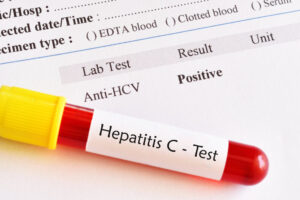

STI testing is a routine part of sexual health, yet many people are unsure what a “full STI panel” actually includes. At Healthcare Unity Group in Melbourne, FL and Kearny, NJ, individuals often ask which infections are tested for, how samples are collected, and what happens before and after screening. Understanding what to expect can help reduce anxiety and make testing feel more approachable.
This article explains what a full STI panel typically includes, how the testing process works, and why comprehensive screening plays an important role in overall wellness.
What Is a Full STI Panel?
A full STI panel is a set of tests designed to screen for multiple sexually transmitted infections at the same time. Rather than testing for a single infection, panels provide a broader picture of sexual health by identifying common bacterial and viral STIs that may not cause noticeable symptoms.
STI panels are often recommended because many infections can remain asymptomatic for long periods. Without testing, individuals may be unaware of an infection and unintentionally pass it to partners. A full panel helps detect infections early, supporting timely follow-up and informed decision-making.
Educational resources such as STI testing and treatment information can help individuals understand how panels fit into routine preventive care.
Common Infections Included in an STI Panel
The exact tests included in a full STI panel can vary based on individual risk factors, sexual practices, and medical guidelines. However, most panels include screening for several commonly encountered infections.
These often include chlamydia and gonorrhea, which are bacterial infections that may affect the genitals, throat, or rectum. Syphilis is also commonly included, as it can have serious long-term effects if left untreated. Many panels also include HIV screening, as HIV testing is an important component of comprehensive sexual health.
In some cases, additional tests may be recommended based on personal history or symptoms. These might include hepatitis screenings or other targeted tests. The goal of a full panel is not to overwhelm patients, but to ensure screening is thorough and appropriate.
How Samples Are Collected
One of the most common concerns about STI panels is how samples are taken. The process is typically straightforward and minimally invasive. Depending on which infections are being tested, samples may include urine, blood, or swabs.
Urine samples are often used to test for chlamydia and gonorrhea. Blood tests are commonly used for HIV and syphilis screening. Swabs may be taken from the throat, rectum, or genitals if exposure in those areas is possible. Providers explain why each sample is needed so patients understand the purpose behind the testing.
The collection process is designed to be respectful and efficient. Patients are encouraged to ask questions and communicate any concerns during the appointment to ensure comfort throughout the visit.
What Happens During the Appointment
During a full STI panel appointment, individuals typically begin with a brief discussion about health history and recent sexual activity. These questions help determine which tests are most appropriate and ensure screening is tailored rather than generic.
The sample collection portion of the visit is usually brief. Providers guide patients through each step, explaining what will happen before collecting samples. Once testing is complete, individuals receive information about when and how results will be delivered.
Some patients choose to pair STI screening with additional preventive services, such as HIV testing information, to maintain a complete picture of sexual health.
Understanding Test Results and Follow-Up
Results from STI panels are typically available within a few days, though timing can vary depending on the tests performed. When results are ready, individuals are notified through secure and confidential methods.
A negative result indicates no infection was detected at the time of testing. Positive results do not imply wrongdoing or poor decision-making; they simply indicate that an infection is present and further steps may be needed. Providers help explain what results mean and discuss next steps when appropriate.
Regular testing is encouraged for sexually active individuals, particularly when partners change or new exposures occur. Testing intervals may vary based on personal risk factors, but panels are often part of routine preventive care.
Why Full STI Panels Are Important for Long-Term Health
Comprehensive STI screening supports both individual and community health. Early detection helps prevent complications and reduces the likelihood of unknowingly transmitting infections to others. Regular testing also promotes open conversations about sexual health and normalizes preventive care.
STI panels are not only for people with symptoms. Many infections remain silent, making testing the only reliable way to know one’s status. Viewing STI screening as a routine health practice—rather than a response to fear—helps reduce stigma and encourages proactive care.
Preparing for Your STI Panel
While STI panels require minimal preparation, there are a few steps that can help ensure accurate results:
• Avoid urinating shortly before providing a urine sample, if possible
• Be prepared to discuss recent sexual activity honestly
• Ask questions about which tests are included and why
• Schedule testing regularly if sexually active
• Follow any specific instructions provided before the appointment
Preparation helps individuals feel more confident and ensures the screening process runs smoothly.
Understanding STI Panels as a Preventative Health Tool
A full STI panel offers a comprehensive approach to sexual health by screening for multiple infections in one visit. Understanding what the panel includes, how samples are collected, and what results mean helps remove uncertainty and supports informed decision-making. Healthcare Unity Group in Melbourne, FL and Kearny, NJ emphasizes education around STI panels so individuals can approach testing with clarity and confidence. With accurate information and routine screening, STI testing becomes a normal and empowering part of preventive health care.
Sources
Centers for Disease Control and Prevention. (2021). Sexually transmitted infections treatment guidelines. Morbidity and Mortality Weekly Report.
Fonner, V. A., et al. (2014). Effectiveness of STI screening programs. PLOS ONE.
Workowski, K. A., & Bolan, G. A. (2015). Sexually transmitted diseases treatment guidelines. Clinical Infectious Diseases.