Starting PrEP: What the First Month Looks Like
Starting any new medication comes with a learning curve, and PrEP is no exception. The first thirty days of pre-exposure prophylaxis tend to raise practical questions: When should the pill be taken? What might the body feel as it adjusts? How soon does protection begin? While the answers vary somewhat from person to person, the overall arc of the first month is fairly predictable, and knowing what lies ahead can turn an uncertain transition into a manageable one. Dr. Tony Walko and Dr. Rich Minuski of Healthcare Unity Group (HUG) walk patients through this adjustment period regularly, whether in Melbourne, FL, Kearny, NJ, or over telehealth, and their experience points to a consistent theme: the habits formed in the first few weeks often determine how sustainable prevention becomes in the months that follow.
Understanding How PrEP Works
Before discussing the first month specifically, it helps to understand what PrEP is designed to do. PrEP is a medication used to reduce the risk of acquiring HIV. When taken consistently, it helps create a protective barrier that makes it more difficult for the virus to establish an infection if exposure occurs.
Unlike medications used to treat HIV, PrEP is intended for prevention. It works proactively by maintaining medication levels in the body that help prevent the virus from multiplying. Because of this, consistency is an important part of achieving the intended protective effect.
For individuals interested in learning more about available prevention options, PrEP services provide additional information about how PrEP is used as part of a comprehensive HIV prevention strategy.
Week One: Adjusting to a New Routine
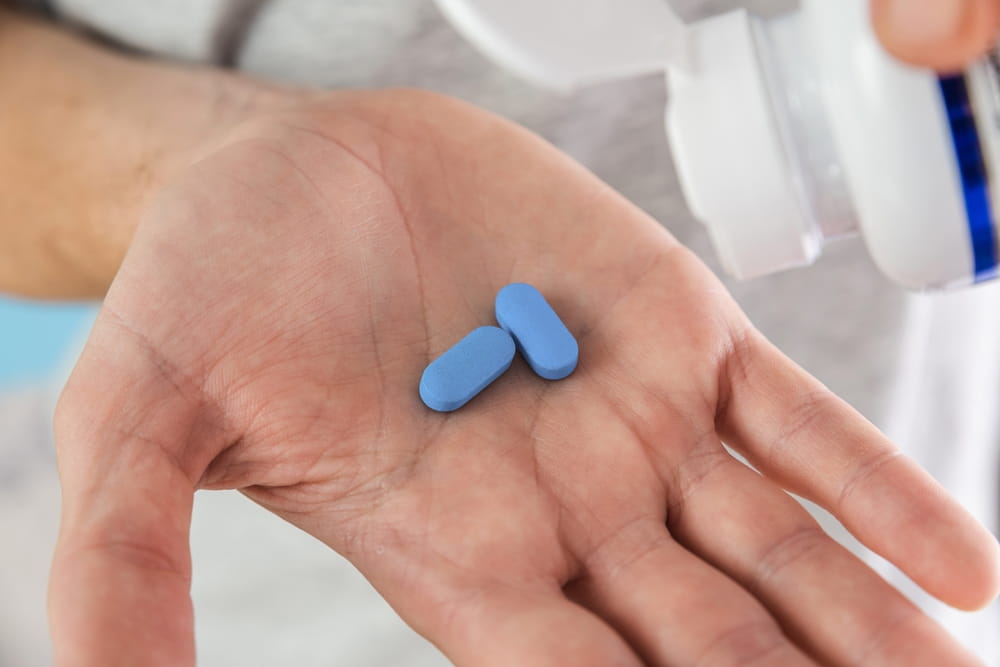
The first week on PrEP is often focused on establishing a routine. Taking medication consistently is one of the most important aspects of using PrEP effectively, so many individuals spend time identifying a schedule that works best for their lifestyle.
Some people choose to take PrEP with breakfast, while others incorporate it into an evening routine. The specific time is generally less important than consistency. Developing a predictable habit early can make it easier to stay on track in the weeks and months ahead.
For many individuals, the first week is also a time of learning. Questions about effectiveness, timing, and follow-up care are common. Becoming familiar with these aspects of PrEP can help build confidence and reduce uncertainty.
Common Early Experiences
One of the most frequently asked questions about starting PrEP is whether side effects should be expected. Many individuals experience no significant side effects at all. Others may notice mild and temporary symptoms as their bodies adjust to the medication.
Common experiences can include mild stomach discomfort, nausea, headaches, or fatigue. These symptoms are generally short-lived and often improve within the first few weeks. Understanding that these effects are typically temporary can help reduce concern if they occur.
It is important to remember that experiences vary widely. Some people notice no changes at all, while others experience mild adjustments before settling into a routine. Open communication with a healthcare provider can help address any questions or concerns during this period.
Building Confidence in Prevention
The first month on PrEP is not only about taking medication but also about becoming more comfortable with a prevention plan. Many individuals report feeling a greater sense of control over their health after beginning PrEP.
This growing confidence often comes from understanding how the medication works and knowing that they are taking proactive steps toward HIV prevention. Education plays a key role in this process, helping individuals make informed decisions about their health and wellness.
As familiarity with the medication increases, many people find that taking PrEP becomes just another part of their daily routine rather than something they think about constantly. This gradual shift can help make prevention feel more sustainable over the long term.
Week Two and Three: Establishing Consistency
By the second and third weeks, many individuals begin to settle into a routine. The initial adjustment period often becomes less noticeable as medication use becomes part of everyday life.
Consistency remains the primary focus during this stage. Missing doses occasionally may happen, but creating habits that support regular use helps maintain the effectiveness of the prevention plan. Reminders, pill organizers, and daily routines can all contribute to long-term success.
During this time, some individuals also become more engaged in broader conversations about sexual health and prevention. Learning about testing schedules, preventive strategies, and overall wellness can help create a more comprehensive approach to health.
Week Four: Looking at the Bigger Picture
By the fourth week, many individuals have developed a stronger sense of familiarity with PrEP and how it fits into their lives. What may have initially felt like a significant change often begins to feel more routine. At this stage, people frequently have a better understanding of their medication schedule, follow-up plans, and overall prevention goals.
This is also a time when individuals may reflect on how PrEP fits into a broader approach to health. HIV prevention is often most effective when combined with regular communication with healthcare providers, routine testing, and ongoing education. The first month provides a foundation that can support these long-term habits moving forward.
As confidence grows, many people find it easier to stay consistent and remain engaged in preventive care. This shift from learning about PrEP to actively incorporating it into daily life is an important part of the first-month experience.
The Importance of Follow-Up Appointments
Regular follow-up care is an essential component of PrEP use. These appointments help ensure that the medication remains appropriate, effective, and aligned with an individual’s health needs. They also provide an opportunity to discuss any concerns, review adherence, and stay informed about preventive health strategies.
Follow-up visits typically include HIV testing and may involve additional screenings depending on individual circumstances. These routine evaluations help support safe and effective use of PrEP while encouraging ongoing engagement in healthcare.
For many individuals, follow-up appointments become a valuable opportunity to ask questions and gain additional insight into maintaining their prevention plan. Consistent communication with providers helps strengthen confidence and supports long-term success.
Sexual Health Beyond PrEP
While PrEP is highly effective for HIV prevention when taken consistently, it does not protect against other sexually transmitted infections. This is why a comprehensive approach to sexual health remains important throughout the first month and beyond.
Regular screening continues to play a significant role in maintaining overall wellness. Access to STI testing and treatment can help individuals stay informed about their sexual health status and address concerns early when needed.
Combining PrEP with routine screening, preventive education, and open communication creates a more complete strategy for managing health. Understanding this broader perspective helps individuals see PrEP as one important part of a larger prevention plan.
Tracking Progress and Personal Experiences
Some individuals find it helpful to keep track of their experiences during the first month on PrEP. This does not need to be complicated. Simple notes about medication routines, questions for future appointments, or observations about how they feel can provide useful insights over time.
Journaling can also help individuals recognize positive progress. Whether it is remembering medication more consistently, feeling more informed about prevention, or becoming more comfortable discussing sexual health, these small milestones can contribute to greater confidence and engagement in care.
Tracking experiences may also make follow-up conversations with providers more productive by helping individuals recall questions or concerns that arise between appointments.
Common Questions During the First Month
Many people have similar questions when they begin PrEP. Some wonder how quickly the medication becomes effective, while others ask about travel, missed doses, or interactions with other medications. These questions are a normal part of the adjustment process.
Learning about PrEP over time helps answer many of these concerns. The first month is often when individuals become more familiar with recommendations and develop a clearer understanding of how PrEP works within their daily lives.
Healthcare providers can be an important source of guidance during this period. Asking questions and seeking clarification helps ensure that individuals feel informed and comfortable with their prevention strategy.
Supporting Long-Term Success
The habits developed during the first month often set the stage for long-term consistency. Establishing routines early can make it easier to continue taking PrEP regularly and staying engaged in preventive care.
Simple strategies can support long-term success:
- Take medication at the same time each day whenever possible
- Use reminders or pill organizers if needed
- Keep track of upcoming appointments and testing schedules
- Stay informed about preventive health recommendations
- Maintain open communication with healthcare providers
These practices help create structure and reduce the likelihood of disruptions to a prevention plan.
Moving Forward With Confidence
Looking back on the first month of PrEP, most people find that the hardest part was simply the newness of it. The questions that felt pressing on day one, about timing, side effects, and effectiveness, tend to resolve as routines take shape and the medication fades into the background of daily life. What remains is the foundation: a consistent schedule, a testing and follow-up rhythm, and a more confident relationship with preventive care. That foundation is what Healthcare Unity Group (HUG) aims to help patients build, with Dr. Tony Walko and Dr. Rich Minuski guiding individuals throughout Florida, New Jersey, as well as those connecting through telehealth. One month is a short time, but for many people, it marks the shift from thinking about prevention to simply living it.
Sources
Grant, R. M., et al. (2010). Preexposure Chemoprophylaxis for HIV Prevention in Men Who Have Sex with Men. New England Journal of Medicine.
Baeten, J. M., et al. (2012). Antiretroviral Prophylaxis for HIV Prevention in Heterosexual Men and Women. New England Journal of Medicine.
Centers for Disease Control and Prevention (2024). Pre-Exposure Prophylaxis for the Prevention of HIV Infection in the United States. American Journal of Preventive Medicine.