
Sexually transmitted infections (STIs) are incredibly common, and while many can be treated or managed with the right care, they can also have lasting effects on your health. One important concern is the link between STIs and HIV, the virus that causes AIDS. Research shows that having an STI can make it easier for HIV to enter the body and harder for your immune system to fight it off. Understanding how these infections are connected can help you take proactive steps to protect your sexual health, stay informed, and prevent HIV transmission.
In This Blog:
- Understanding How HIV Is Transmitted
- How STIs Affect HIV Transmission Risk
- Common STIs Linked to Higher HIV Risk
- Preventing STIs and Reducing HIV Risk
- The Importance of Routine Testing and Open Communication
- Living with Both an STI and HIV
Understanding How HIV Is Transmitted
HIV (human immunodeficiency virus) attacks the immune system, specifically the CD4 cells that help the body fight infections. When left untreated, HIV can weaken the immune system and lead to AIDS (acquired immunodeficiency syndrome). The virus spreads through contact with certain body fluids such as blood, semen, vaginal fluids, rectal fluids, and breast milk. Most commonly, HIV is transmitted through:
- Unprotected sexual contact (vaginal, anal, or oral sex) with an infected partner.
- Sharing needles or syringes used for drugs, tattoos, or piercings.
- Transmission from mother to child during pregnancy, childbirth, or breastfeeding.
HIV cannot be spread through everyday contact like hugging, kissing, or sharing utensils. Understanding how the virus is transmitted helps clarify how other factors, such as having an STI, can make infection more likely.
How STIs Affect HIV Transmission Risk
Having an STI doesn’t automatically mean you’ll contract HIV, but it does increase your vulnerability. This is because many STIs cause changes in the body that make it easier for HIV to enter or spread. Here’s how:
- Sores or Ulcers Create Entry Points: STIs such as herpes and syphilis can cause open sores or ulcers on the genitals or mouth, giving HIV direct access to the bloodstream.
- Inflammation Attracts Target Cells: Even STIs that don’t cause sores, like gonorrhea or chlamydia, still lead to inflammation. This draws immune cells called CD4 cells to the area, which are the very cells HIV infects.
- Increased Viral Shedding: People who already have HIV and contract another STI may have higher levels of HIV in their genital fluids, increasing the chance of passing the virus to others.
In short, STIs create a biological environment that makes both acquiring and transmitting HIV more likely. This is why testing and early treatment are key to prevention.
Common STIs Linked to Higher HIV Risk
Not all STIs affect HIV transmission the same way, but several are known to significantly raise the risk.
- Herpes Simplex Virus (HSV-2): The painful sores caused by genital herpes can bleed easily, providing an opening for HIV. Even when sores aren’t visible, viral shedding can still occur, maintaining the risk.
- Syphilis: This bacterial infection causes ulcers and tissue damage that allow HIV to enter the body more easily. Co-infection with syphilis and HIV is common, especially in communities with limited access to testing.
- Gonorrhea and Chlamydia: Both cause inflammation and irritation of the genital tract, increasing the number of HIV target cells in these areas. They can also raise the viral load in people already living with HIV.
- Trichomoniasis: This parasitic infection often causes itching and discharge, which can damage genital tissues and make HIV transmission more efficient.
- Human Papillomavirus (HPV): Although HPV doesn’t directly cause sores, certain strains can alter genital tissue and immune responses, making it easier for HIV to establish infection.
People with any of these STIs are several times more likely to acquire or transmit HIV than those without them. This makes prevention, testing, and early treatment essential steps in reducing risk.
Preventing STIs and Reducing HIV Risk
The good news is that both STIs and HIV are largely preventable with the right precautions and awareness. Taking proactive steps can dramatically lower your risk of infection. Here’s what works best:
- Use Protection Consistently: Condoms, both external and internal, are highly effective at preventing HIV and most STIs when used correctly every time you have sex.
- Get Tested Regularly: Many STIs don’t cause noticeable symptoms, so routine testing is crucial. Early detection allows for treatment before complications arise or HIV risk increases.
- Limit Sexual Partners: Reducing the number of partners or maintaining a mutually monogamous relationship can help minimize exposure.
- Seek Prompt Treatment: If you test positive for an STI, start treatment immediately and encourage your partner(s) to do the same to prevent reinfection.
- Consider PrEP: Pre-Exposure Prophylaxis (PrEP) is a daily medication that can lower the risk of contracting HIV by more than 90% when taken as prescribed.
- Get Vaccinated: Vaccines are available for certain infections such as HPV and hepatitis B, which can indirectly reduce your overall HIV risk.
By staying informed, using protection, and maintaining regular healthcare visits, you can significantly reduce your chances of acquiring both STIs and HIV.
The Importance of Routine Testing and Open Communication
Regular testing is one of the most powerful tools in preventing both STIs and HIV. Because some infections can remain “silent” for months or even years, testing helps identify and treat problems early before they cause harm or increase HIV risk. Key testing tips:
- Get tested at least once a year if you are sexually active, and more often if you have multiple partners or engage in higher-risk behaviors.
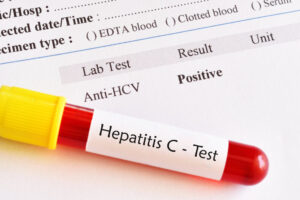
- Ask for a comprehensive STI panel, which may include tests for HIV, syphilis, gonorrhea, chlamydia, trichomoniasis, and hepatitis.
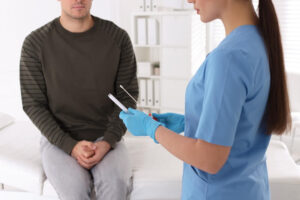
- Talk openly with your healthcare provider about your sexual health, partners, and protection habits. They can recommend the best testing frequency and prevention strategies for your lifestyle.
- If you test positive for any STI or HIV, remember: treatment is available, and early intervention greatly improves outcomes.
Open, honest communication with your doctor and your partner is an essential part of maintaining sexual health and preventing HIV transmission.
Living with Both an STI and HIV
It’s not uncommon for someone living with HIV to also experience other STIs during their lifetime. Co-infection can pose additional challenges, but with modern medicine, both conditions can be effectively managed. Here’s what’s important to know:
- Adherence to Treatment: Antiretroviral therapy (ART) for HIV helps suppress the virus, keeping your immune system strong and reducing the risk of transmitting HIV to others.
- Regular Follow-ups: Frequent checkups ensure that both HIV and any co-existing STIs are properly managed and treated.
- Partner Notification and Support: Letting partners know about your diagnosis allows them to get tested and treated, protecting everyone’s health.
- Healthy Lifestyle Choices: A balanced diet, regular exercise, and avoiding smoking or drug use can all strengthen your immune system.
- Mental Health and Support: Living with HIV or an STI can feel overwhelming, but counseling, support groups, and compassionate healthcare providers can make a big difference.
With consistent medical care and open communication, people living with HIV and other STIs can lead long, healthy, and fulfilling lives.
Conclusion
Having an STI can indeed increase your risk of contracting HIV, but understanding that connection gives you the power to take control of your health. STIs can cause inflammation, sores, and tissue changes that make it easier for HIV to enter the body and harder for your immune system to defend itself. The good news is that prevention and treatment are within reach. By practicing safe sex, getting tested regularly, treating infections promptly, and considering preventive options like PrEP, you can significantly reduce your risk of HIV and protect your overall well-being.
Your sexual health matters, and taking action today can make a lasting difference in your future.
At Healthcare Unity Group, we offer confidential STI and HIV testing, prevention counseling, and access to comprehensive treatment and care across 30+ states. Whether you’re seeking testing, prevention tools, or ongoing support, our compassionate providers are here to help you stay informed and healthy. Take charge of your health and schedule your STI and HIV screening with Healthcare Unity Group today.