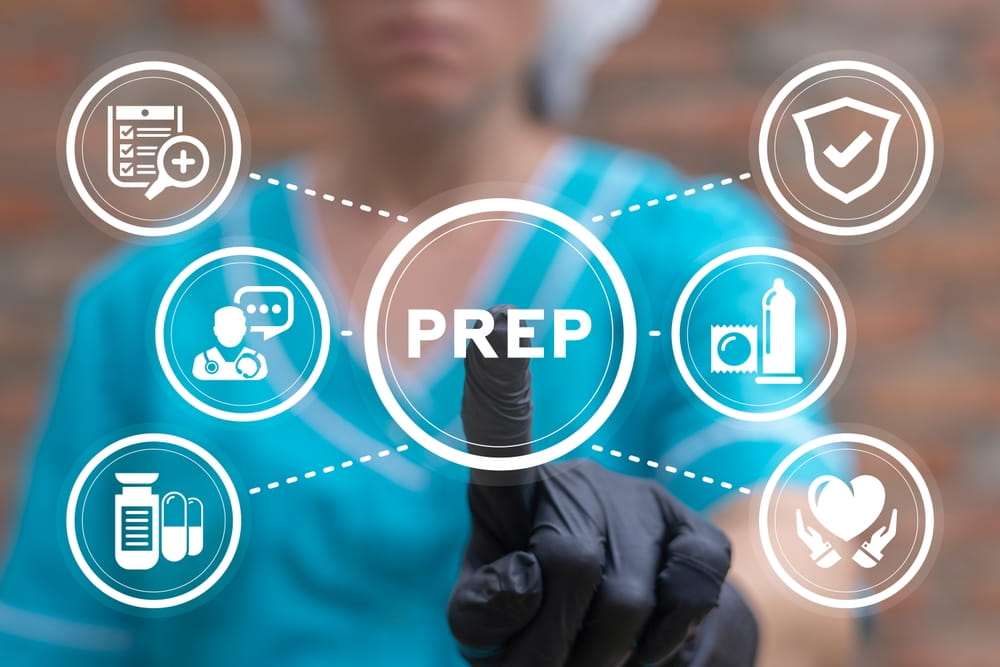
Pre-exposure prophylaxis, commonly known as PrEP, is a preventive approach that helps reduce the risk of acquiring HIV. It involves taking medication consistently to lower the chances of infection if exposure occurs. For individuals in Melbourne, FL, Kearny, NJ, and those accessing telehealth through Healthcare Unity Group (HUG), understanding how PrEP works is an important first step in deciding whether it may be part of their health strategy.
PrEP is designed for people who may have a higher likelihood of HIV exposure. This can include individuals with partners living with HIV, those who are sexually active without consistent protection, or people who want an added layer of protection as part of their overall sexual health plan. It is also relevant for individuals who prefer a proactive approach to prevention and want more control over their health choices.
The idea behind PrEP is straightforward: by maintaining a certain level of medication in the body, the virus is less likely to establish an infection if exposure occurs. This approach has become an important part of modern HIV prevention strategies and continues to play a role in public health efforts worldwide.
How PrEP Works in the Body
PrEP medications work by interfering with the ability of HIV to replicate inside the body. When taken consistently, the medication builds up in the bloodstream and tissues, creating a protective barrier against the virus. If HIV enters the body, the medication helps prevent it from multiplying and spreading.
This protective effect depends heavily on consistency. Taking PrEP as prescribed ensures that the medication remains at effective levels. Missing doses or taking the medication irregularly can reduce its effectiveness, which is why adherence is emphasized as a key part of PrEP use.
For those interested in exploring how PrEP fits into a broader prevention plan, PrEP services provide additional information about how this approach is used and what individuals can expect when starting. Understanding how the medication works can make it easier to commit to a routine and feel confident in its role in prevention.
The First Step: Scheduling an Appointment
Starting PrEP begins with a healthcare visit. This initial appointment is an opportunity to discuss health history, potential risk factors, and whether PrEP is an appropriate option. It also allows individuals to ask questions and gain a clear understanding of what starting PrEP involves.
During this visit, providers typically review medical history and discuss lifestyle factors that may influence the decision to begin PrEP. This conversation is not about judgment but about ensuring that the approach aligns with each individual’s needs and goals.
Building a comfortable and supportive relationship with a provider is an important part of this process. Having a doctor who listens, explains clearly, and provides guidance can make the experience of starting PrEP feel more approachable and manageable.
Initial Testing Before Starting PrEP
Before beginning PrEP, certain tests are usually performed to ensure it is safe and appropriate. One of the most important steps is confirming that the individual is HIV-negative, as PrEP is intended for prevention rather than treatment.
Additional tests may include screening for kidney function and checking for other infections such as hepatitis or sexually transmitted infections. These evaluations help create a complete picture of overall health and ensure that the medication can be used safely.
Testing is not just a one-time step. It becomes part of an ongoing routine while using PrEP, helping monitor health and maintain effectiveness. This structured approach supports both safety and long-term success with the medication.
What to Expect When You Start Taking PrEP
Once PrEP is prescribed, individuals begin taking the medication as directed, usually daily. The first few weeks are often a period of adjustment, as the body becomes accustomed to the medication and levels build up to provide protection.
Some people may experience mild side effects during this time, such as stomach discomfort or headaches. These effects are typically temporary and tend to improve as the body adjusts. Staying in communication with a healthcare provider can help address any concerns that arise during this phase.
Consistency is key during the early stages. Taking the medication at the same time each day can help establish a routine and reduce the likelihood of missed doses. Over time, this habit becomes part of a regular daily schedule, supporting the effectiveness of PrEP as a preventive tool.
Building Confidence in Your Prevention Plan
Starting PrEP is not just about taking medication; it is also about building confidence in a prevention strategy that works for you. Understanding how PrEP fits into your lifestyle and health goals can make it easier to stay consistent and engaged in your care.
For many individuals, this includes combining PrEP with other preventive practices, such as regular testing and open communication with partners. This comprehensive approach supports a more informed and proactive perspective on sexual health.
Developing confidence takes time, but with the right information and support, individuals can feel more in control of their health decisions.
Follow-Up Care and Ongoing Monitoring
Starting PrEP is not a one-time event but part of an ongoing care routine. Regular follow-up appointments are an important component of using PrEP safely and effectively. These visits typically occur every few months and are designed to monitor overall health, ensure the medication is working as intended, and address any questions or concerns.
During follow-up visits, HIV testing is repeated to confirm continued negative status. This step is essential because PrEP is intended for prevention, and regular testing ensures that it remains the appropriate approach. Providers may also check kidney function and discuss any side effects or changes in health.
These appointments also create space for open conversations. Individuals can talk about lifestyle changes, ask questions about adherence, and explore whether their current prevention plan still aligns with their needs. This ongoing connection helps reinforce confidence and ensures that PrEP remains a supportive part of overall health.
Understanding Adherence and Consistency
One of the most important aspects of PrEP is taking it consistently. The effectiveness of the medication depends on maintaining adequate levels in the body, which requires regular daily use. Missing doses occasionally may happen, but frequent missed doses can reduce the level of protection.
Building a routine can make adherence easier. Some individuals find it helpful to take PrEP at the same time each day, such as with a meal or as part of a morning or evening routine. Others use reminders, such as phone alerts or pill organizers, to stay on track.
Consistency is not about perfection but about developing habits that support long-term use. Over time, taking PrEP becomes a natural part of daily life, helping individuals feel more secure in their prevention plan.
Potential Side Effects and What They Mean
Like many medications, PrEP can come with side effects, especially during the first few weeks of use. Most commonly, individuals may experience mild symptoms such as nausea, headaches, or fatigue. These effects are generally temporary and tend to resolve as the body adjusts to the medication.
In rare cases, more significant side effects may occur, which is why ongoing monitoring is important. Regular check-ins with a healthcare provider help ensure that any concerns are addressed early and that the medication continues to be appropriate.
Understanding what to expect can help reduce anxiety about starting PrEP. Knowing that mild side effects are often temporary and manageable allows individuals to approach this phase with greater confidence.
PrEP as Part of a Broader Prevention Strategy
PrEP is most effective when it is part of a comprehensive approach to sexual health. While it significantly reduces the risk of HIV, it does not protect against other sexually transmitted infections. This is why regular screening remains an important part of ongoing care.
Incorporating routine testing, open communication with partners, and awareness of personal risk factors helps create a well-rounded prevention strategy. PrEP can be one component of this approach, working alongside other practices to support overall health.
Some individuals may also explore additional preventive options depending on their situation. Having access to accurate information allows people to make choices that align with their goals and comfort level.
Addressing Common Questions About Starting PrEP
Many individuals have questions when considering PrEP, especially if they are new to the concept. Understanding common concerns can make the process feel more approachable and less overwhelming.
A frequent question is how long it takes for PrEP to become effective. Protection levels build over time, and providers often explain how this timeline applies to different types of exposure. For example, PEP, or post-exposure prophylaxis, is a medication taken after potential exposure to the virus.
Another common concern involves long-term use and whether PrEP can be taken continuously. These topics are typically discussed during appointments to ensure individuals have clear expectations.
There are also questions about stopping PrEP. Some individuals may choose to discontinue use if their circumstances change, but this decision is usually made in consultation with a provider to ensure it is done safely.
Open dialogue is key. Asking questions and seeking clarification helps individuals feel informed and confident in their choices.
Practical Tips for Starting and Staying on PrEP
Taking a proactive approach to starting PrEP can make the experience smoother and more manageable. Small, consistent actions can support long-term success and help integrate PrEP into daily life.
- Set a daily reminder to take your medication at the same time each day
- Keep track of follow-up appointments and testing schedules
- Store medication in a place that is easy to access but safe
- Communicate openly with your provider about any changes or concerns
- Stay informed about your health and prevention options
These steps help create a structured approach that supports consistency and confidence.
Looking Ahead: Building a Sustainable Prevention Routine
Starting PrEP marks the beginning of a prevention journey that can evolve. As individuals become more familiar with their routine, the process often feels more natural and integrated into daily life.
Healthcare Unity Group (HUG) contributes to ongoing education and awareness around HIV prevention via telehealth and in person in Melbourne, FL and Kearny, NJ. With insight from providers like Dr. Tony Walko and Dr. Rich Minuski, people can better understand how to approach PrEP and make informed decisions about their health.
The key to a successful PrEP journey lies in consistency, awareness, and open communication. By staying engaged in care and maintaining regular follow-up, individuals can continue to feel confident in their prevention strategy. Over time, PrEP becomes more than just a medication—it becomes part of a broader commitment to health, well-being, and informed decision-making.
Sources
Grant, R. M., et al. (2010). Preexposure Chemoprophylaxis for HIV Prevention in Men Who Have Sex with Men. New England Journal of Medicine.
Baeten, J. M., et al. (2012). Antiretroviral Prophylaxis for HIV Prevention in Heterosexual Men and Women. New England Journal of Medicine.
Centers for Disease Control and Prevention (2023). Pre-Exposure Prophylaxis for the Prevention of HIV Infection. American Journal of Preventive Medicine.